Blacktown Plumbing Services: The Annual Maintenance Worth Paying For
| Quick answer: An annual plumbing maintenance visit is a scheduled inspection where a licensed plumber checks your drains, hot water system, taps, toilets, water pressure, gas connections, and visible pipework before any of them fail. In Blacktown, the highest-value Blacktown plumbing services for maintenance are drain camera inspection and jetting, hot water system servicing, and leak and tap checks, because tree roots, clay soils, and ageing fixtures cause most local call-outs. Most homes benefit from one visit per year, while rental, strata, and commercial properties usually need more frequent checks. Call Local Blacktown Plumber on (02) 9158 3589 to book yours. |
What this guide covers
- What an annual plumbing maintenance visit actually includes
- Why Blacktown properties are hard on plumbing
- The problems a yearly check catches early
- What maintenance costs against what a failure costs
- Landlords, strata, and commercial obligations
- How to choose the right plumber for the job
- FAQs
Nobody schedules a plumber the way they schedule a car service. The tap drips a bit, the shower takes a while to drain, the hot water runs cold for ten seconds before it settles, and none of it feels urgent enough to pick up the phone. Then a pipe lets go at 11pm on a Sunday, and suddenly it is very urgent and very expensive.
That gap between “a bit annoying” and “emergency” is exactly where annual maintenance pays for itself. Of all the Blacktown plumbing services a household can buy, a planned yearly inspection is the one with the best return, because it is the only one that costs you money at a time you choose rather than a time the plumbing chooses.
| Not sure what your home actually needs? Start by reading through the Blacktown homeowner’s plumbing maintenance checklist. It walks through the things you can inspect yourself before deciding what to hand to a licensed plumber. |
What an annual plumbing maintenance visit actually covers
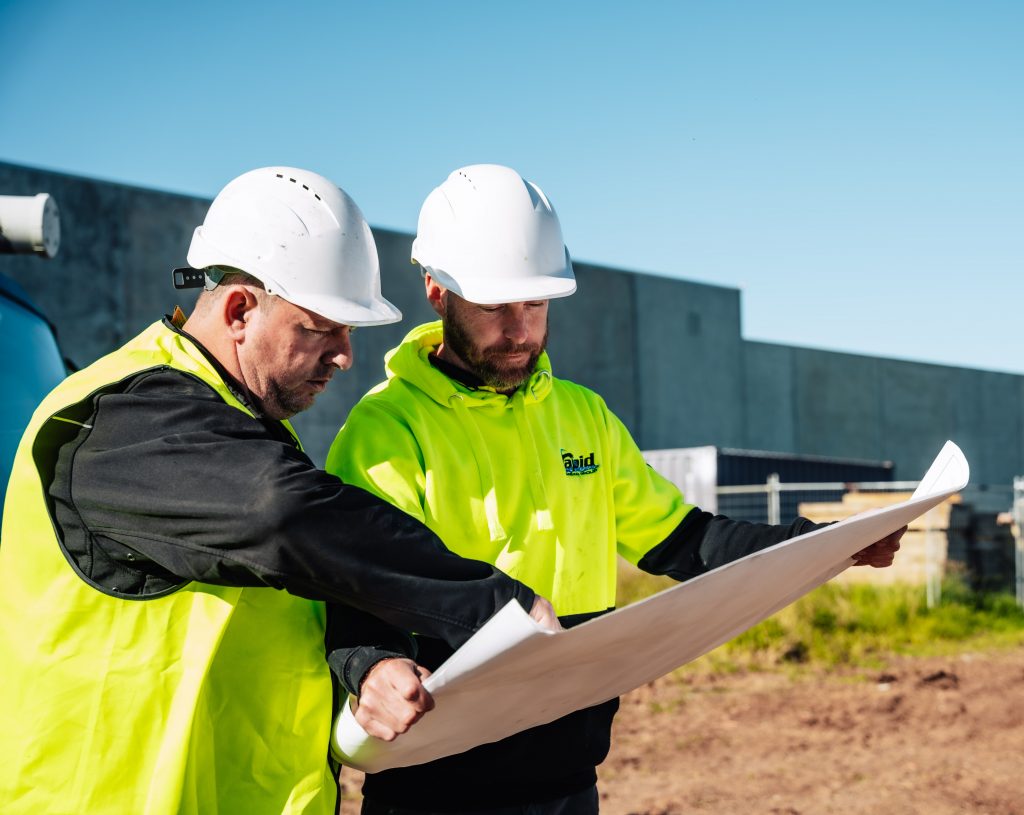
A maintenance visit is an inspection, not a repair job. The plumber is looking for early-stage problems while they are still cheap to fix. A thorough one works through the following.
Drains and stormwater
Sinks, showers, laundry, and floor wastes get flow-tested. If anything drains slowly, or the property has a history of blockages, a camera inspection shows what is happening inside the line rather than guessing from the surface. Gutters, downpipes, and stormwater pits get a look too, since blocked stormwater is a quiet cause of damp walls and undermined paving.
Hot water system
The tank or unit is checked for corrosion, weeping fittings, and rust staining at the base. Pressure and temperature relief valves are tested, because a seized relief valve is a genuine safety issue. On storage systems, the sacrificial anode is the part almost nobody thinks about, and the part that decides whether the tank lasts its expected life or dies years early.
Taps, toilets, and fixtures
Washers, cartridges, and seals are checked for wear. Cisterns get tested for the slow internal leak that never makes a sound but quietly adds to every water bill. Flexible braided hoses under sinks and vanities are inspected, since they are a common source of sudden indoor flooding once the braid frays.
Water pressure and visible pipework
Mains pressure is measured, since pressure that sits too high shortens the life of every appliance, hose, and seal in the house and is a frequent cause of water hammer. Accessible pipework is checked for corrosion, movement, poor support, and old repairs that were only ever meant to be temporary.
Gas connections, where relevant
If the property has gas, a licensed gas fitter can check appliance connections and look for leaks. This is not optional territory to guess at, and it should only ever be handled by someone licensed for gas fitting and LPG work.
At the end, you should get a plain-language report: what is fine, what needs watching, and what needs doing now. If a plumber cannot tell you which category each item falls into, that is a problem with the plumber, not your pipes.
Why Blacktown properties are hard on plumbing
Generic maintenance advice misses what actually goes wrong here. Blacktown has a few specific pressures.
Established trees and clay soil. Much of the Blacktown local government area sits on the Cumberland Plain, where reactive clay soils shrink and swell with the seasons. That movement stresses buried pipes and opens tiny gaps at joints. Mature street trees and backyard plantings do the rest, because roots find moisture with unnerving accuracy and grow straight into the crack. Root intrusion is one of the most common causes of recurring blockages here, and it rarely announces itself before it is serious.
A wide spread of housing ages. The area covers both mid-century homes with original clay sewer lines and newer estates around The Ponds, Schofields, and Marsden Park. Older stock has pipework and fixtures well past their design life. Newer stock has different issues: builder-grade fittings, high mains pressure, and warranty windows that quietly close while nobody is looking.
Heavy rainfall events. Western Sydney gets intense downpours that overwhelm stormwater systems which were coping fine the week before. Drains already half-restricted by roots or grease are the first to back up.
Rental density. A large share of properties across the area are tenanted, and rental plumbing tends to get reported late, because tenants often live with a minor issue until it becomes a major one.
None of this is a reason to panic. It is a reason to inspect on a schedule rather than wait for symptoms.
The problems a yearly check catches early
The value of maintenance is not the inspection itself. It is the specific failures it prevents. In practice, these come up most often.
- Root intrusion caught while it is still hairline. Cleared early with jetting and monitored, it stays a maintenance item. Left alone, it becomes a collapsed section and an excavation.
- Hot water systems replaced on your schedule. A unit showing corrosion and weeping fittings can be planned for. One that fails without warning means cold showers, possible water damage, and an urgent replacement chosen under pressure.
- Slow leaks found before the damage shows. By the time a ceiling stains or a wall smells musty, water has been moving for a while. Early detection keeps it a plumbing repair rather than a plumbing repair plus a building repair.
- Failing flexi hoses replaced for very little. These are inexpensive parts, and a burst one can flood a house in hours.
- High water pressure corrected. A pressure limiting valve is a small job that extends the life of a lot of expensive things.
- Grease and debris cleared from kitchen and laundry lines before they set hard and need professional blocked drain clearing at short notice.
Each follows the same shape: a known, planned, modest job now, or an unknown, unplanned, larger one later. Maintenance does not eliminate the second category, and any plumber who promises it will is overselling. It does reduce how often you land there.
What maintenance costs against what a failure costs
It is fair to ask whether an annual visit is worth the money when nothing appears to be wrong.
A scheduled inspection happens in business hours, at a time you picked, with no urgency premium and no water on the floor. An emergency happens after hours, at whatever time the pipe decides, and often involves more than plumbing once water reaches flooring, cabinetry, or plasterboard. The repair itself is only part of the bill.
Local Blacktown Plumber publishes starting prices for common jobs such as blocked drains and tap or toilet repairs, and currently advertises no call out fee with conditions applying. Prices and terms change, so confirm what applies when you book. The point holds regardless of the figures: routine work is priced routinely, and emergencies are not.
There is a second, less obvious return. A documented maintenance history is useful when you sell and when you claim on insurance, since insurers distinguish between sudden damage and damage from gradual deterioration.
If you want a deeper look at where the avoidable costs sit, this guide on how to avoid expensive plumbing repairs covers it in more detail.
| Comparing your options? Have a look at the full range of Blacktown plumbing services available, from general plumbing and drainage through to hot water installation and repairs, so you can see exactly what a maintenance visit can include and what sits outside it. |
Landlords, strata, and commercial: maintenance is not just comfort
For owner-occupiers, annual maintenance is a sound financial decision. For everyone else, it edges closer to an obligation.
Landlords. Residential tenancy law in New South Wales requires rented premises to be kept in a reasonable state of repair, and certain urgent repairs, including burst pipes, blocked or broken toilets, and serious water leaks, must be handled promptly. Regular inspection is the practical way to stop urgent repairs happening at all, and it gives you a record of having met your responsibilities. This is general information rather than legal advice, so check your own obligations if you are unsure.
Strata. In apartment and townhouse complexes, the split between common property and lot property makes plumbing faults slow to resolve and easy to argue about. Scheduled inspections of common lines cut down the disputes that start with water appearing in somebody else’s unit. Dedicated strata plumbing support is worth having on file before you need it.
Commercial premises. For a cafe, salon, medical suite, or workshop, a plumbing failure closes the doors. Grease traps, backflow prevention devices, and commercial hot water all carry servicing requirements, and lost trading days cost far more than an inspection. Planned commercial plumbing maintenance is cheaper than closing unexpectedly.
How to choose the right plumber for annual maintenance
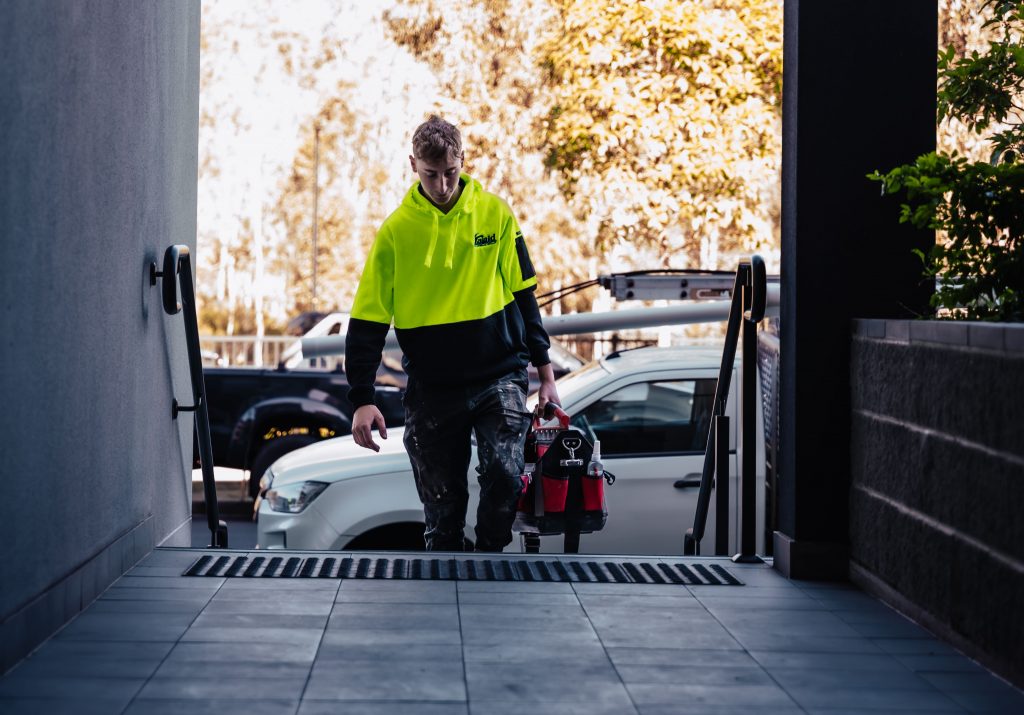
Not every plumber approaches maintenance the same way. Check these before you book.
- Licensing and insurance. Non-negotiable in New South Wales. Ask for the licence number if it is not published.
- Local knowledge. A plumber who works across Blacktown and the surrounding suburbs already knows which streets have root problems and which estates have pressure issues.
- Camera capability. If drains are part of the inspection and the plumber has no camera, they are guessing.
- A written report. You should finish the visit with something in writing, not just a verbal “looks fine”.
- Clear pricing before work starts. Agree on what the inspection covers and what happens if something needs immediate repair.
- Genuine after-hours cover. Even the best maintenance schedule cannot rule out emergencies, so it helps if the same team also provides 24/7 emergency plumbing and already knows your property.
Key takeaways
- One annual inspection is enough for most Blacktown homes. Rentals, strata, and commercial sites usually need more.
- Local conditions, particularly reactive clay soils, mature trees, and intense downpours, make drain inspection the highest-value part of the visit.
- Hot water systems, flexi hoses, and toilet cisterns are the most common sources of preventable damage.
- Scheduled work is priced normally. Emergency work is not, and it often brings building repairs with it.
- A written report and a documented service history are worth as much as the inspection itself.
- Choose a licensed, insured, local plumber with camera capability and real after-hours cover.
Frequently asked questions
How often should plumbing maintenance be done in Blacktown?
Once a year suits most family homes. Book every six months if the property has mature trees near the sewer line, a history of blockages, a hot water system over eight years old, or is tenanted. Commercial premises with grease traps or backflow devices have their own servicing requirements.
What is included in an annual plumbing maintenance visit?
A typical visit covers drain flow testing and camera inspection where needed, hot water system checks including relief valves, tap and toilet inspection, water pressure measurement, flexible hose checks, visible pipework assessment, and gas appliance connection checks where the property has gas. You should receive a written summary of findings.
Can I do plumbing maintenance myself?
Plenty of useful checks are yours to do: watching for slow drains, looking under sinks for damp, listening for a cistern that keeps running, and clearing gutters. What you cannot do safely or legally is work on gas, alter water supply or sewer lines, or open a hot water unit’s relief valve system. In New South Wales most plumbing work must be carried out by a licensed plumber.
Will maintenance stop blocked drains completely?
No, and be wary of anyone who says it will. Root intrusion, pipe movement, and misuse can still cause blockages. What regular inspection does is catch restrictions early, when jetting and monitoring can manage them, rather than after a line has collapsed.
How long does a maintenance inspection take?
For an average home, allow one to two hours depending on size, age, and how much of the plumbing is accessible. Camera work on drains adds time, and larger properties, strata buildings, and commercial sites take longer.
Is it worth booking maintenance if nothing seems wrong?
That is the best time to book it. Plumbing problems are usually well advanced by the time they produce obvious symptoms, so an inspection on a healthy system is the one most likely to find something while it is still cheap to fix.
| Book your annual plumbing maintenance with Local Blacktown Plumber. Licensed, insured, and available 24/7 across Blacktown and the surrounding suburbs. Call (02) 9158 3589 to schedule an inspection at a time that suits you, or send an enquiry through the contact page and the team will get back to you. Catching a problem this month is always cheaper than fixing it next month. |