Blocked Drains in Blacktown: Causes, Signs, and Solutions
Blocked drains Blacktown homeowners and business owners experience are often caused by grease, hair, wipes, tree roots, food scraps, soil, broken pipes, or heavy drain use. The main signs include slow-draining water, gurgling sounds, bad smells, water pooling outside, and wastewater backing up into toilets, showers, or floor drains. If the problem affects more than one drain, keeps returning, or involves sewage, it is safest to call a licensed plumber as soon as possible.
What Causes Blocked Drains in Blacktown Homes and Businesses?
Blocked drains usually happen when something builds up inside the pipe or when the pipe itself is damaged. In Blacktown homes, common causes include cooking oil, food scraps, hair, soap scum, toilet paper build-up, wipes, and small items that should never go down a drain. In commercial and industrial properties, blocked drains can also come from grease, trade waste, sediment, heavy water use, and poor drain maintenance.
Kitchen drains often block because of fats, oils, and grease. These may go down the sink as liquid, especially after cooking, but they can cool and harden inside the pipe. Once that sticky layer forms, food scraps and other waste can cling to it until the water flow becomes slow or completely blocked.
Bathroom drains usually block from hair, soap residue, shampoo, conditioner, and grime. This is common in family homes, rental properties, salons, gyms, and staff bathrooms where showers and basins are used often. A bathroom drain may still work for a while, but water can begin pooling before the blockage becomes serious.
Toilets often block when wipes, paper towels, cotton pads, sanitary products, nappies, or too much toilet paper are flushed. Even wipes labelled as “flushable” can cause problems because they do not always break down quickly in the pipe.
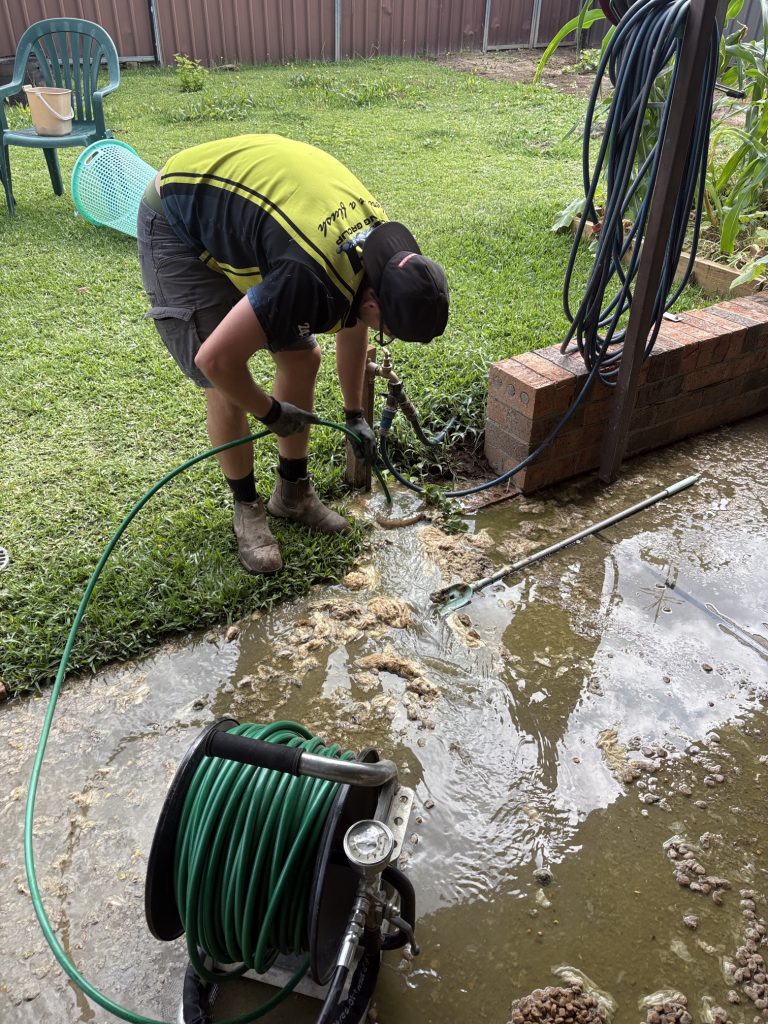
Outdoor drains in Blacktown can block from leaves, soil, mud, garden waste, and tree roots. Tree roots are a common cause of deeper blockages because they search for moisture. If an underground pipe has a crack or loose joint, roots can enter and grow inside the drain.
For businesses, the cause can depend on the site. A café may deal with grease build-up, while a workshop may deal with sediment, dirt, or wash-down waste. This is why a proper inspection matters. The best blocked drain solution starts with finding the real cause, not just clearing the symptom.
What Are the Early Signs of Blocked Drains Blacktown Locals Should Watch For?
The early signs of blocked drains Blacktown locals should watch for include slow water flow, gurgling sounds, bad smells, water backing up, and outdoor pooling. These signs may seem minor at first, but they often mean waste or debris is already narrowing the pipe. Acting early can help prevent overflow, water damage, and emergency plumbing issues.
A slow-draining sink, shower, bath, laundry tub, or floor waste is one of the clearest first signs. The drain may still empty, but it takes longer than normal. This often means the blockage is partly restricting the pipe.
Gurgling sounds can also point to a drain problem. You may hear this after flushing the toilet, using the washing machine, emptying the bath, or running water in the sink. Gurgling often happens when air is trapped because water cannot move through the pipe properly.
Bad smells are another warning sign. A kitchen drain may smell like rotting food or stale grease. A bathroom drain may smell musty, damp, or like sewage. A strong sewage smell can mean the problem is deeper in the drainage or sewer line.
Water backing up is a more serious sign. This may look like toilet water rising too high after flushing, shower water coming back through the floor waste, or sink water bubbling up in another fixture. If wastewater is coming back into your property, stop using the affected fixtures and call a plumber.
Signs to watch for
Common warning signs include:
- Water draining slowly from sinks, showers, baths, or floor wastes
- Gurgling sounds from pipes, drains, or toilets
- Bad smells near indoor or outdoor drains
- Water pooling around outdoor grates
- Toilet water rising higher than normal
- Wastewater backing up into showers, baths, or floor drains
- Repeated blockages in the same drain
- Overflow near outdoor inspection points
- Damp patches, mould, or water stains near plumbing areas
A single slow drain may be a local blockage near that fixture. Several slow drains across the property may point to a deeper blockage in the main drain. If more than one drain is affected, it is best to book a plumber quickly.
When Is a Blocked Drain an Emergency?
A blocked drain becomes an emergency when wastewater is overflowing, sewage is backing up, toilets cannot be used, or water is causing damage inside or outside the property. It is also urgent when multiple drains stop working at once. These signs can point to a main drain or sewer blockage that needs fast attention.
Overflowing toilets, showers, baths, and floor wastes should be treated seriously. Wastewater can carry bacteria and create a health risk, especially in homes with children, elderly people, pets, or anyone with health concerns. It can also damage flooring, walls, cabinets, carpets, stock, equipment, and electrical areas.
A sewer blockage is one of the more serious drain issues. The sewer line carries wastewater away from the property. If that line is blocked, wastewater may have nowhere to go. It can then return through lower drains, such as showers, baths, floor wastes, or outdoor inspection openings.
Outdoor overflow can also be urgent. If wastewater is coming out of an outside drain or inspection point, the blockage may be deeper than a simple sink or shower issue. Leaving it too long can create smells, mess, and hygiene concerns around the property.
For businesses in Blacktown, blocked drains can affect trade. Restaurants, cafés, warehouses, offices, workshops, childcare centres, and retail shops rely on working toilets, kitchens, wash areas, and staff amenities. A serious blockage can disrupt daily operations and create an unsafe environment.
You should call an emergency plumber if:
- Sewage is backing up into the property
- Water is overflowing and cannot be controlled
- More than one drain is blocked
- Toilets are unusable
- There is a strong sewage smell
- Outdoor drains are overflowing
- The blockage returns soon after clearing
- The issue affects staff, tenants, customers, or operations
If the issue looks urgent, avoid using sinks, showers, washing machines, dishwashers, and toilets until a plumber checks it. This helps reduce the amount of water entering the blocked line.
Can You Clear a Blocked Drain Yourself?
You may be able to clear a minor surface blockage yourself, but deep, repeated, or sewer-related blockages need a professional plumber. A simple blockage near a drain opening may respond to safe cleaning or gentle plunging. However, harsh chemicals, sharp tools, and forceful DIY methods can damage pipes or push the problem deeper.
For a bathroom sink or shower, start by checking the drain cover. Hair and soap build-up can collect near the surface. Wear gloves, remove visible debris, and rinse the area with clean water. This may help if the blockage is close to the grate.
For kitchen sinks, avoid adding more water if the sink is already full. Do not pour more grease, oil, or food waste down the drain. You may try warm water for light grease residue, but this will not fix a serious blockage deep in the pipe.
For toilets, a toilet plunger may help with a small blockage. Use steady pressure rather than aggressive force. Do not keep flushing if the water level is rising because this can cause overflow.
DIY clearing vs professional drain clearing
DIY methods may help when:
- Only one drain is slow
- The blockage is close to the surface
- There is no sewage smell
- Water is not backing up elsewhere
- The issue has not happened before
- The drain still empties slowly
A professional plumber is safer when:
- Several drains are affected
- Sewage is backing up
- The blockage keeps returning
- Outdoor drains are overflowing
- You hear gurgling from different fixtures
- Tree roots may be involved
- The pipe may be cracked, sagging, or damaged
- The property is commercial, strata, or high-use
Avoid strong chemical drain cleaners where possible. They can be unsafe to handle and may be harsh on some pipe materials. They can also leave chemicals sitting in a blocked pipe, which creates a risk for anyone who later works on the drain.
A good rule is simple: if a safe surface check does not solve the issue quickly, do not keep forcing it. Call a plumber before the blockage becomes an overflow.
How Do Plumbers Clear Blocked Drains in Blacktown?
Plumbers clear blocked drains by locating the blockage, breaking it down, removing the material, and checking whether there is pipe damage or hidden build-up. The right method depends on the drain location, the type of blockage, the pipe condition, and whether the issue is inside the property, outside, or in the sewer line.
For smaller blockages, a plumber may use drain cleaning tools to break up or remove debris. This can help with hair, soap build-up, food scraps, light grease, and small obstructions. These tools are more suitable than DIY objects because they are made for plumbing work.
Water jetting is often used for tougher blocked drains. A high-pressure water jet sends a strong stream of water through the pipe. This can cut through grease, sludge, roots, and compacted debris. It can also wash the pipe walls more thoroughly than basic clearing methods.
CCTV drain camera inspections are helpful when the cause is not obvious. A small camera is sent into the drain so the plumber can see what is happening inside the pipe. This may show tree roots, cracks, collapsed sections, heavy grease, foreign objects, or poor pipe alignment.
Tree root removal may be needed when roots have entered underground pipes. A plumber can clear the roots from inside the drain, but the long-term solution depends on the pipe condition. If the pipe is badly cracked or broken, repairs may be needed to reduce the chance of roots returning.
For commercial and industrial sites in Blacktown, plumbers may also provide drain and sewer cleaning for larger or higher-use systems. These properties often need stronger equipment and a more planned approach because downtime can affect operations.
A professional drain service should do more than restore flow. It should help explain why the blockage happened, how serious it is, and what can be done to stop it from happening again.
Why Do Blocked Drains Keep Coming Back?
Blocked drains keep coming back when the real cause has not been fixed. A drain can be cleared enough to let water flow again, but the same blockage may return if roots, grease, broken pipes, sagging sections, or poor drain habits remain. Recurring drain problems need proper diagnosis, not repeated quick fixes.
Tree root intrusion is one of the most common reasons for repeated blocked drains. Roots enter through cracks, loose joints, or damaged pipe sections. Once inside, they can catch toilet paper, wipes, grease, and other debris. Even after the drain is cleared, roots may grow back if the pipe opening is still there.
Grease build-up can also return quickly. This is common in kitchens and food businesses. If cooking oil, fat, sauces, and food scraps continue to enter the drain, the inside of the pipe can become sticky again. Over time, the waterway narrows until another blockage forms.
Older or damaged pipes may also cause recurring problems. Cracked, collapsed, misaligned, or sagging pipes can trap waste. A sagging pipe section can hold water and solids instead of allowing them to flow away. This can create repeated blockages in the same area.
Toilet blockages may keep returning because of flushing habits. Wipes, paper towels, sanitary items, cotton pads, and cleaning cloths do not break down like toilet paper. If these items are flushed often, they can create blockages in the toilet bend or deeper in the drain.
In commercial buildings, repeated blockages may be caused by high usage, grease, sediment, or poor maintenance schedules. A busy business may need more frequent drain checks than a normal home.
A CCTV inspection is often the best next step when the same drain keeps blocking. It shows whether the problem is build-up, roots, pipe damage, or something stuck in the line. Once the cause is clear, the plumber can recommend a longer-term fix.
How Can You Prevent Blocked Drains in Blacktown Properties?
You can prevent many blocked drains by keeping grease, hair, wipes, food scraps, leaves, soil, and foreign objects out of your pipes. Good habits reduce build-up and help your drains work better for longer. Not every blockage can be avoided, especially when pipes are old or damaged, but many common problems are preventable.
In the kitchen, never pour cooking oil, fat, or grease down the sink. Let it cool, place it in a sealed container, and put it in the bin. Scrape plates before washing and use a sink strainer to catch food scraps.
In bathrooms, use drain covers in showers, baths, and basins where possible. Clean them often, especially in busy family homes or shared bathrooms. Hair and soap scum are much easier to remove from a grate than from deep inside a pipe.
In toilets, only flush toilet paper and human waste. Do not flush wipes, tissues, paper towels, cotton pads, dental floss, sanitary products, nappies, or cleaning cloths. These items can block the toilet or travel further into the pipe and cause a bigger problem.
Outdoor drains need regular attention too. Keep leaves, mulch, mud, and garden waste away from grates. After heavy rain or strong wind, check outdoor drain covers for debris. This is useful for Blacktown homes with trees, gardens, driveways, paved areas, or sloped yards.
For businesses, prevention may involve staff training and scheduled maintenance. Food businesses should manage grease carefully. Workshops and industrial sites should keep sediment, dirt, and waste out of drains where possible.
Helpful prevention habits include:
- Use sink strainers in kitchens and laundries
- Clean shower drain covers weekly
- Dispose of grease in the bin
- Avoid flushing wipes and hygiene products
- Keep outdoor grates clear
- Watch for slow drains after heavy use
- Book drain cleaning when slow drains keep returning
- Arrange a CCTV inspection for repeated blockages
Prevention is usually easier than emergency plumbing. A few simple habits can reduce stress, mess, and unexpected disruption.
When Should You Book a CCTV Drain Inspection?
You should book a CCTV drain inspection when a blockage keeps returning, the cause is unclear, or you suspect tree roots, cracked pipes, collapsed sections, or deeper sewer issues. A CCTV inspection lets the plumber see inside the drain instead of guessing. This helps choose the right solution and avoid unnecessary work.
A camera inspection is useful after repeated blockages in the same sink, toilet, shower, laundry, or outdoor drain. It is also helpful when several drains are slow at the same time. These signs may mean the problem is deeper in the main drainage line.
CCTV inspections are also useful before major repairs. If a pipe is damaged underground, the camera can help locate the affected section. This may reduce unnecessary digging because the plumber can target the problem area more accurately.
For property owners, a camera inspection can give peace of mind. It may show tree roots, cracked pipes, heavy grease, foreign objects, pipe movement, or collapsed sections. It can also confirm whether the pipe is clear after water jetting or drain cleaning.
For buyers, landlords, and property managers in Blacktown, drain inspections can be useful before or after taking responsibility for a property. Older homes, rental properties, strata sites, shops, offices, and warehouses can all have hidden drain problems.
A CCTV inspection may be worth booking if:
- The same drain blocks more than once
- Outdoor drains overflow
- Sewage smells are present
- Water backs up into lower drains
- Tree roots are likely nearby
- You are planning plumbing repairs
- You manage a rental, strata, or business property
- You want to check pipe condition before renovating
The main benefit is clarity. Once the plumber can see the inside of the pipe, they can explain the issue in plain terms and recommend the best next step.
What Drain Services Can Help Homes, Shops, and Industrial Sites?
Different properties need different drain solutions, so the best service depends on the blockage type, pipe condition, and how the property is used. A family home may need a blocked toilet cleared, while a business may need regular drain and sewer cleaning. An industrial site may need help with larger drainage lines, sediment, or high-use plumbing systems.
For homes in Blacktown, common drain services include blocked sink clearing, shower drain clearing, toilet blockage repairs, outdoor drain cleaning, water jetting, and CCTV camera inspections. These services help restore normal water flow and identify deeper problems when needed.
For commercial properties, blocked drains can affect customers, staff, hygiene, and trading hours. Cafés, restaurants, salons, medical suites, childcare centres, offices, and retail shops all rely on working drains. A fast response can help reduce downtime and prevent a small issue from becoming a bigger interruption.
Industrial plumbing may involve larger drains, heavier use, and more complex waste flow. These sites may need drain cleaning, sewer cleaning, inspections, leak detection, and repairs suited to commercial or industrial conditions. Regular maintenance can be useful where blocked drains could slow production, affect safety, or interrupt daily operations.
Leak detection can also be relevant when drainage issues are linked with damp areas, water stains, or unexplained moisture. A blocked drain and a leak are different problems, but they can sometimes appear together. A plumber can check whether the issue is poor drainage, a leaking pipe, or both.
Local Blacktown Plumber provides blocked drain clearing and repair, water jetting, drain and sewer cleaning, CCTV camera inspections, tree root removal, emergency plumbing, and leak detection. These services are useful for residential, commercial, and industrial properties across Blacktown.
FAQ About Blocked Drains in Blacktown
What is the most common cause of blocked drains in Blacktown?
The most common causes are grease, hair, soap scum, food scraps, wipes, and tree roots. Kitchens often block from fats and oils, while bathrooms block from hair and soap build-up. Outdoor drains may block from leaves, soil, roots, or damaged underground pipes.
How do I know if my blocked drain is serious?
A blocked drain is more serious if several drains are slow, sewage smells are present, or water is backing up into showers, toilets, or floor wastes. Outdoor overflow is also a warning sign. These issues may point to a deeper blockage in the main drain or sewer line.
Are chemical drain cleaners safe to use?
Chemical drain cleaners are not always safe and may damage some pipes if used often or incorrectly. They can also be dangerous to handle. A plunger or simple surface cleaning may help minor blockages, but recurring or deep blockages should be checked by a plumber.
How long does it take to clear a blocked drain?
Minor blocked drains can sometimes be cleared during one visit, especially if the blockage is easy to reach. More complex issues, such as tree roots, damaged pipes, or deep sewer blockages, may take longer because the plumber may need water jetting, CCTV inspection, or repair work.
Can tree roots really block drains?
Yes, tree roots can enter drains through small cracks, loose joints, or damaged pipe sections. Once inside, they can grow and trap waste, paper, and debris. Clearing the roots may restore flow, but damaged pipes may need repair to reduce the chance of the blockage returning.
Do businesses need regular drain maintenance?
Yes, many businesses benefit from regular drain maintenance, especially food, retail, industrial, and high-traffic sites. Regular cleaning can reduce grease, waste, and sediment build-up. It also helps prevent sudden blockages that may affect staff, customers, tenants, or daily operations.
Call Local Blacktown Plumber for Blocked Drains in Blacktown
Blocked drains Blacktown properties deal with should not be ignored, especially when water is slow, smells are strong, or wastewater is backing up. A small blockage can quickly turn into a messy and stressful plumbing issue if it is left too long.
For reliable help, call Local Blacktown Plumber on 291583589. The team provides blocked drain clearing, drain and sewer cleaning, water jetting, CCTV camera inspections, tree root removal, emergency plumbing, and leak detection for homes, businesses, and industrial sites across Blacktown.