Emergency Plumber Blacktown: The Most Common 2am Callouts
| Quick answer: The most common 2am callouts for an emergency plumber in Blacktown are burst pipes and failed flexible hoses, overflowing toilets, sewer and drain backups, hot water system failures, and suspected gas leaks. These faults cannot safely wait until morning because they either flood the property at mains pressure, expose the household to sewage, or create a fire and health risk. If one of them happens overnight, shut the water off at the meter or the gas off at the meter box, keep everyone clear of the affected area, and call a licensed emergency plumber straight away. |
What this guide covers
- Why the phone rings at 2am
- 1. Burst pipes and failed flexi hoses
- 2. Overflowing and blocked toilets
- 3. Sewer and stormwater backups
- 4. Hot water system failures
- 5. The smell of gas
- What actually happens when you call at 2am
- How to make the 2am call less likely
- Frequently asked questions
Nobody plans to meet their plumber in the dark. But most households in Western Sydney will have at least one night where a noise, a smell, or a wet patch on the carpet gets them out of bed, and the question becomes very simple very quickly: does this wait until morning, or do I ring someone now?
After enough after-hours work across the area, the pattern gets predictable. An emergency plumber in Blacktown is not called out at 2am for a dripping tap or a slow shower drain. The overnight jobs cluster into a handful of faults, and they are the ones that get worse by the minute. Here are the five that come up most, what each looks like at 2am, and the most useful thing you can do before help arrives.
Why the phone rings at 2am
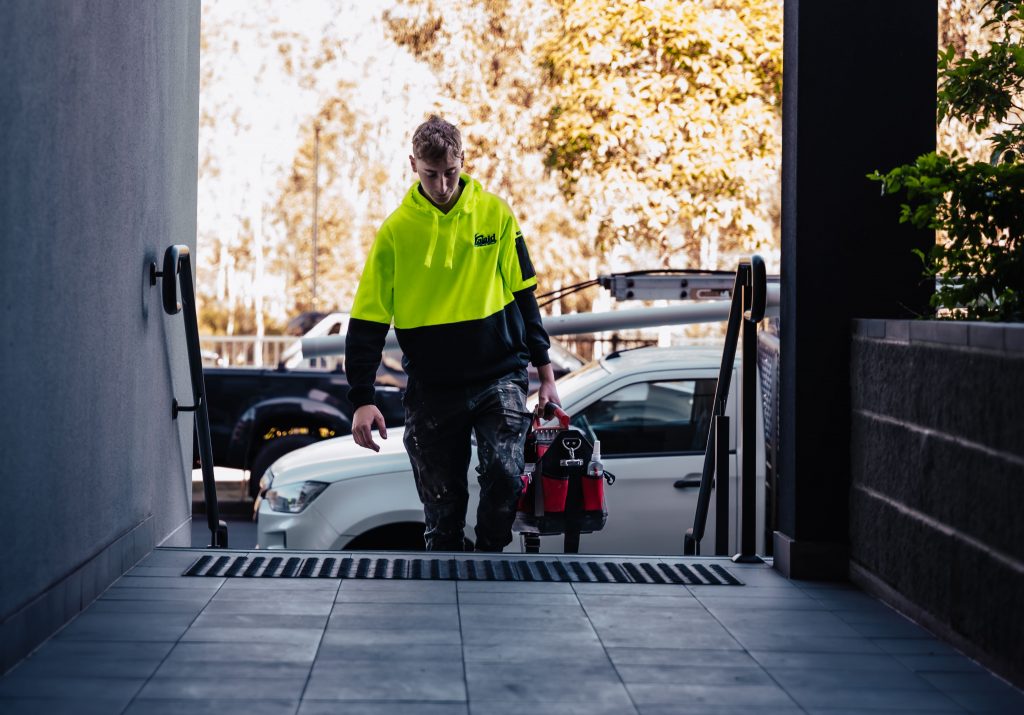
Pipes do not fail more often because it is dark. What changes overnight is everything around them.
The house is quiet, so you finally hear the hiss behind the wall that the television covered all evening. Water demand across the network drops off late at night, which can nudge mains pressure up and push an already weakening joint past its limit. And critically, nobody is watching. A leak that starts at 11pm has run for hours before anyone notices, which is why overnight faults so often turn into flooring and ceiling damage rather than a simple repair.
Blacktown’s housing mix plays into it too. Established brick homes near the CBD and through Lalor Park and Marayong run decades-old copper and, in places, remnants of galvanised pipework. Newer estates through Schofields and The Ponds have young pipework, but the fittings, hoses and hot water units are all reaching the same age at roughly the same time. And there is a lot of medium density, where townhouses and duplexes share drainage lines and one household’s blockage becomes the neighbour’s problem.
1. Burst pipes and failed flexi hoses
This is the classic overnight emergency, and the braided flexible hose is the usual culprit. Those short silver hoses connect the wall taps to your mixer under kitchen sinks, bathroom vanities and laundry tubs. They sit in a dark cupboard, often above a shelf of cleaning chemicals, and the stainless braid corrodes slowly from the outside. When one lets go, it does not drip. It discharges at full mains pressure, and it does not stop until someone turns the water off.
Wall and under-slab leaks are the quieter version of the same problem. The signs are a sudden drop in pressure, the sound of running water when every tap is closed, a warm patch on a floor, or a meter that keeps ticking over with nothing switched on.
What to do first: find your water meter, usually near the front boundary of the property, and turn the tap beside it clockwise until it stops. If water is anywhere near power points, switchboards or downlights, turn the power off at the switchboard before you start mopping. Then take photos of the damage before you move anything, because your insurer will want them.
Our full walkthrough on what to do during a burst pipe covers the shut-off sequence in more detail, including what to do if the meter tap is seized and will not budge.
| Not sure whether your situation is an after-hours job? Read through what our emergency plumbing service in Blacktown actually covers overnight, so you know what to expect before you need it. |
2. Overflowing and blocked toilets
A toilet that will not clear is annoying at 8pm. A toilet that keeps rising toward the rim and spilling onto the floor is an emergency at any hour, particularly in a single-bathroom home or a rental where the tenant has nowhere else to go.
The first thing to work out is whether the problem is the toilet or the drain behind it. If the toilet is the only fixture misbehaving and everything else runs away normally, it is usually a localised blockage in the pan or the branch line. If flushing the toilet makes water rise in the shower or gurgle in the floor waste, the fault is further down the system and you have a main line problem, not a toilet problem.
What to do first: stop flushing. Every flush adds several more litres to whatever is already backing up. Turn the small stop tap behind or beside the pan clockwise to cut the water to the cistern. If there is no accessible stop tap, lift the cistern lid and hold the float up so the valve stops refilling.
We have written separately on when a blocked toilet in Blacktown genuinely needs a plumber fast, including the warning signs that it is the sewer line rather than the pan.
3. Sewer and stormwater backups
This is the one people underestimate. Wastewater coming back up through a shower floor waste, a laundry gully or the lowest drain in the house means the main line out to the sewer is obstructed and everything you send down has nowhere to go.
Outside, most properties have an overflow relief gully, a grated drain set lower than your indoor fixtures. It is designed to release a backup into the yard rather than through your floor. If that gully is bubbling or spilling, the system is telling you the blockage is downstream and serious.
Common causes around Blacktown include tree roots finding old joints in clay pipework, a genuine issue in the older streets where mature trees line the verge; wet wipes, which do not break down no matter what the packet says; and cooking fat that congeals along the pipe wall over months. Heavy rain adds another layer, because stormwater finding its way into a compromised sewer line can overwhelm it in an hour.
What to do first: stop using water throughout the house, including any washing machine or dishwasher mid-cycle. Keep children and pets away from anything that has surfaced, and ventilate the area. Sewage is a health hazard, not just a mess.
Our blocked drain clearing service in Blacktown uses drain cameras and jetting rather than guesswork, which matters when the same spot keeps blocking.
4. Hot water system failures
Hot water units tend to fail politely, which is why so many are discovered at the wrong time. Some households find out at 6am in a cold shower. Others find out at 2am because water is running steadily down the side of the house or across the garage floor.
A relief valve that releases a little water during heating is normal. One that runs continuously is not. Water seeping from the base of the tank generally means the cylinder has corroded through, which is a replacement rather than a repair.
Whether this is a 2am job depends on volume. A cold shower can wait. A tank steadily discharging water into a garage or a cavity cannot. If it is dumping water, isolate the cold water inlet at the valve on the unit and switch off the power at the circuit breaker or the gas at the appliance isolation valve.
When it is time to repair or replace, our hot water installation and repair service covers electric, gas and heat pump systems.
| Comparing your options before you commit? Send through the details of your fault and get a clear, itemised quote from a licensed local team. Use the Local Blacktown Plumber contact form or call during business hours to talk it through first. |
5. The smell of gas
Natural gas has a sulphur-like odorant added specifically so you notice it. If you wake up to that smell, treat it as the most serious item on this list.
What to do first: do not switch anything on or off, including light switches, extraction fans and appliances, because a switch can spark. Do not use a phone inside the building. Open doors and windows on your way past, turn the gas off at the meter if you can reach it safely, and get everyone outside. From outside, ring the gas network’s emergency line printed on your gas bill or on the meter box, and then call a licensed gas fitter.
Related symptoms worth taking seriously include a pilot light that keeps going out, yellow rather than blue flames on a cooktop, and unexplained drowsiness in a room with an unflued gas appliance. Gas work in New South Wales is licensed work, and there is no safe do-it-yourself version of it. Our gas fitting and LPG service handles leak detection, appliance repairs and compliance certificates.
What actually happens when you call at 2am
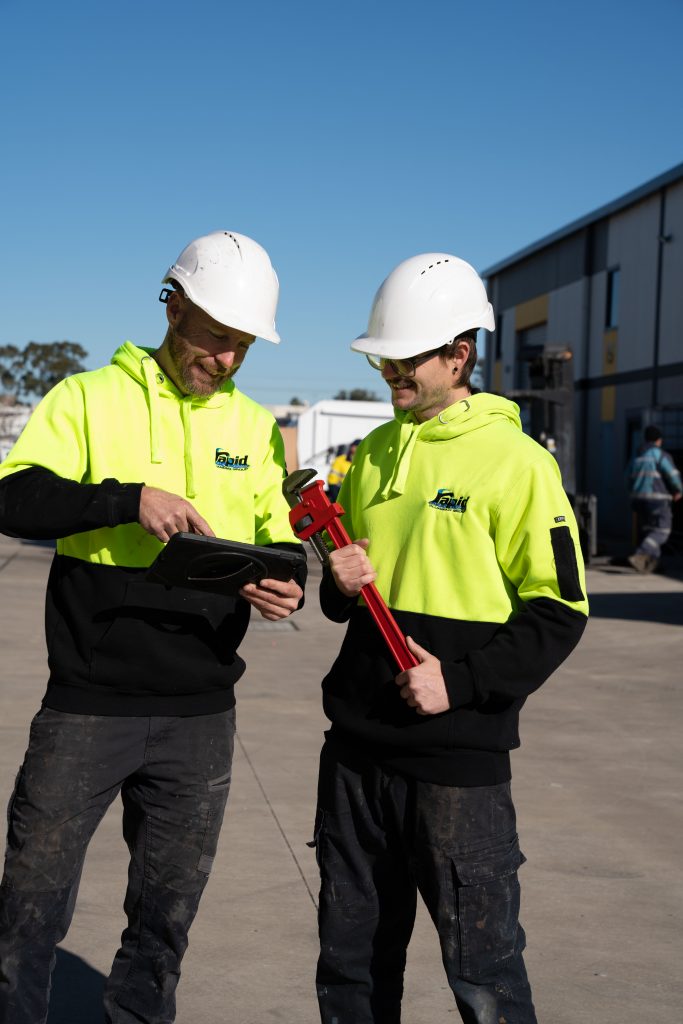
Knowing the process takes some of the panic out of it.
Expect a few triage questions first: what you can see, whether water or gas has been isolated, and whether anyone is at risk. Those questions are not stalling, they decide what goes on the van and how urgently. You should then get a realistic arrival window rather than a vague promise.
The first job on site is almost always to make the property safe and stop the loss, not to complete a perfect permanent repair in the dark. A burst line may be isolated and capped so the rest of the house has water again, with the proper repair booked for daylight when materials and access are better. That two-stage approach is normal, and usually the cheaper path.
On cost, be realistic. After-hours work is charged differently to a scheduled weekday visit, and any plumber who refuses to discuss that before attending is worth avoiding. Ask what the callout covers, ask whether the quote is itemised, and confirm the plumber is licensed before they start.
How to make the 2am call less likely
Most overnight emergencies leave a trail of smaller warnings first. A few habits make a real difference.
- Know where your water meter is and check the tap turns before you need it in a hurry. Show everyone in the house.
- Check flexi hoses once a year. Look for rust spots, kinks or fraying on the braid, and replace them on age rather than waiting for failure.
- Keep the cupboard under the sink clear enough to see the floor. Early leaks announce themselves as a damp patch long before they burst.
- Do not flush wipes, including the ones labelled flushable, and keep fat and oil out of the kitchen sink.
- Watch your drains after heavy rain. Slow clearing or gurgling afterwards is an early sign of a compromised line.
- Act on small signs. A gurgling floor waste, a toilet that needs two flushes, or a relief valve that runs constantly are all cheaper to fix on a Tuesday morning.
Key takeaways
- The genuine 2am jobs are burst pipes, overflowing toilets, sewer backups, discharging hot water units and gas leaks.
- Isolating water at the meter or gas at the meter box is the highest-value thing you can do in the first sixty seconds.
- If a fixture backs up when a different fixture is used, the problem is the main line, not the fixture.
- Overnight work is usually make-safe first, permanent repair in daylight, and that is the sensible order.
- Suspected gas leaks come before everything else, including turning on a light.
| Water going where it should not, right now? Local Blacktown Plumber is a licensed local team covering Blacktown and the surrounding suburbs, from Seven Hills and Marayong through to Quakers Hill, Doonside and Mount Druitt. Turn the water off at the meter, then call (02) 9158 3589 and we will talk you through the next step while we are on the way. See the full Blacktown service area for coverage details. |
Frequently asked questions
What actually counts as a plumbing emergency at 2am?
Anything that is actively causing damage, cannot be isolated, or poses a health or safety risk. Water you cannot stop, sewage inside the building, a total loss of water to the property, and any smell of gas all qualify. A dripping tap, a slow drain, or no hot water in a house with other working fixtures can generally wait for a morning booking.
Where is the water shut-off in a typical Blacktown home?
Most properties have the water meter near the front boundary, in a small box at ground level close to the fence line or driveway. There is a tap on the house side of the meter, and turning it clockwise shuts water to the whole property. Units and townhouses may have an isolation valve in a common area instead.
Should I wait until morning to avoid after-hours rates?
Sometimes, yes. If the fault can be fully isolated, for example a burst hose under one sink where you can shut the stop tap and still use the rest of the house, waiting until morning is often the sensible call. If water cannot be stopped, sewage has surfaced, or gas is involved, waiting usually costs far more in damage than the after-hours rate saves.
Is a blocked toilet an emergency if we have a second bathroom?
Not always. If the second bathroom is working normally and the blocked toilet is not overflowing, it can usually hold until morning. If both toilets are affected, or if using a basin or shower makes water rise elsewhere, that points to a main line blockage and should be looked at promptly.
Who pays for an emergency plumber in a rental property?
In New South Wales, urgent repairs are generally the landlord’s responsibility, and tenants have a defined process for arranging them when the landlord or agent cannot be reached. If the damage was caused by tenant misuse, the cost may be recoverable. Tenants should notify the agent as soon as practical and keep records.
How quickly can an emergency plumber reach Blacktown overnight?
It depends on where the van is and what else is running that night, so no honest plumber will guarantee a fixed time before knowing. A local team based in the area will normally give you a realistic window when you call, and being genuinely local rather than dispatched from another part of Sydney makes the biggest difference to that window.