Garden Tap Won’t Shut Off Completely: Why It Keeps Dripping
What a Dripping Garden Tap Usually Means (And Why It Matters)
A garden tap that won’t shut off completely is almost always a seal problem (something inside the tap isn’t closing tight), a pressure problem (water is pushing past worn parts), or a pipe/fitting problem (the leak isn’t actually coming from the tap spout).
In Western Sydney homes—especially around Penrith, Blacktown, and surrounding suburbs—outdoor taps get a workout. They’re used for hoses, lawn watering, car washing, pressure cleaners, irrigation timers, filling buckets, and sometimes topping up pools. That constant use speeds up wear on small internal parts like washers and O-rings. The result is a tap that “feels off” but still drips, trickles, or weeps even when you’ve turned it as far as it will go.
Ignoring it can create bigger issues than most people expect:
- Higher water bills (drips add up over days and weeks)
- Damp brickwork and stains near the tap
- Mud, algae, or slippery paths where water constantly hits the ground
- Erosion around the foundation or garden bed edges
- Rusty fittings and corrosion that make future repairs harder
- A small drip can turn into a full leak if the internal parts finally fail
If you’re searching for residential plumbing in Penrith, a dripping garden tap is one of those “small problems” that’s best fixed early—before it becomes water damage, a burst fitting, or a weekend emergency.
Quick Answer: Why Does a Garden Tap Keep Dripping After You Turn It Off?
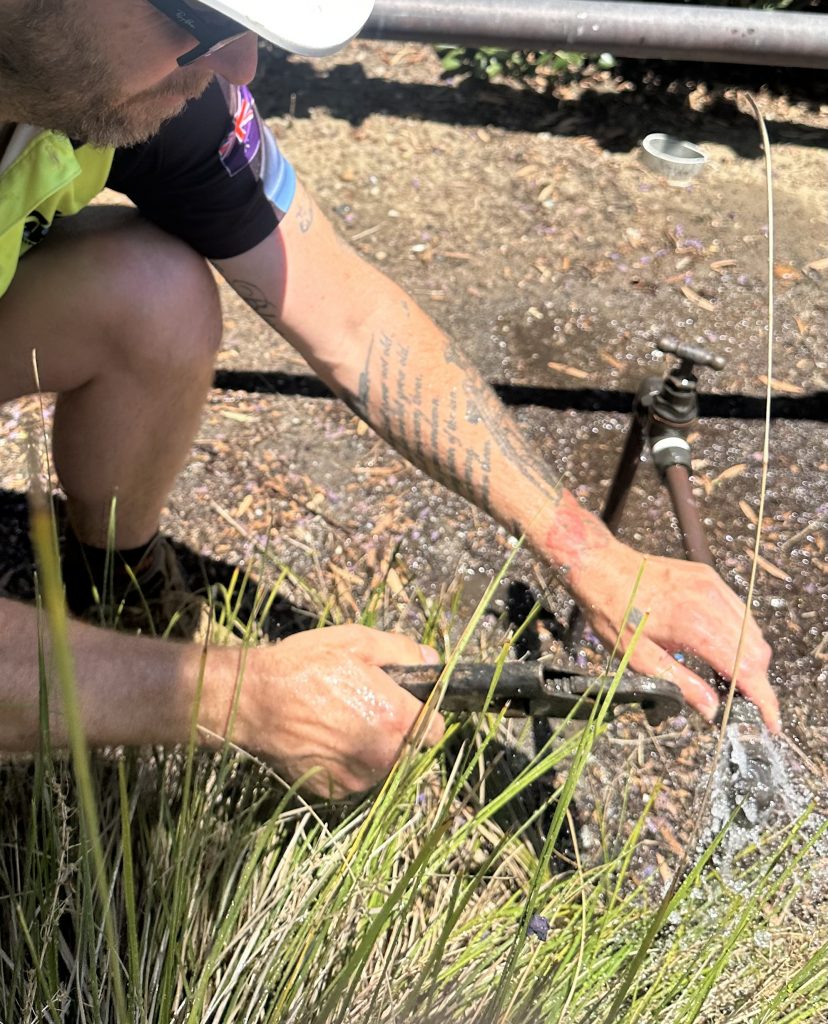
A garden tap keeps dripping because the internal sealing surfaces aren’t meeting properly. The most common causes are:
- Worn washer
- Damaged O-ring or packing
- Pitted or damaged valve seat
- Mineral build-up (scale)
- High water pressure
- Cracked tap body or loose fitting
- Leak in the pipe behind the wall
A licensed plumber can usually diagnose the exact cause quickly and fix it properly—either by repairing the tap internals or replacing the tap with a more reliable upgrade.
Why You Shouldn’t Ignore a Dripping Outdoor Tap in Australia
Even a “slow drip” matters because outdoor leaks often don’t get noticed until damage shows up. Here’s what we commonly see:
1) It Wastes More Water Than You Think
One drip seems tiny. But drips happen all day and all night. Over a month, that’s a lot of water literally going down the drain—or worse, into your soil and walls.
2) It Can Damage Walls, Brickwork, and Foundations
Water running down exterior walls can leave:
- White salty marks (efflorescence)
- Paint bubbling
- Damp patches
- Crumbling mortar over time
If the leak is actually behind the wall, moisture can build up where you can’t see it.
3) It Creates Safety and Hygiene Problems Outdoors
Constant moisture can cause:
- Slippery algae on concrete
- Mud around paths
- Mosquito-friendly puddles in warm weather
4) It Can Be a Warning Sign of Bigger Plumbing Issues
A dripping tap sometimes points to:
- High water pressure in the whole home
- Old pipework nearing the end of its life
- Leaks in garden irrigation lines
- Loose fittings from earlier DIY changes
At Local Blacktown Plumber, we don’t just stop the drip—we check what’s causing it and whether your plumbing system needs a bigger fix (pressure control, pipe repair, or leak detection).
The Most Common Causes of a Garden Tap That Won’t Shut Off Completely
1) Worn Tap Washer (The #1 Cause)
Traditional outdoor taps often use a rubber washer that presses against a seat to stop water. Over time, that washer can:
- Flatten and lose shape
- Crack or split
- Harden (especially with age and sun exposure)
- Get nicked by grit or scale
Once the washer can’t form a tight seal, water slips past—even when the tap is “off.”
Signs it’s a washer issue:
- Dripping comes straight from the spout
- Turning the handle tighter reduces the drip (but doesn’t stop it)
- The drip slowly gets worse over weeks or months
How we help:
Our general plumbing repairs include replacing worn washers and checking the matching surfaces so the repair actually lasts.
2) Damaged O-Ring or Packing (Leak Around the Handle/Stem)
If water is leaking from the handle area (not the spout), the problem is often the O-ring or packing inside the tap’s headworks. These seals stop water from escaping around the turning shaft.
Signs it’s an O-ring/packing issue:
- Water appears around the handle or stem
- The tap feels stiff, squeaky, or “crunchy” when turned
- You see moisture pooling at the top of the tap
Why it matters:
Leaks around the handle can run backward into the wall area, especially on taps mounted close to brickwork.
How we help:
We replace the right seals, re-seat the parts properly, and make sure the tap turns smoothly without needing brute force.
3) A Worn, Corroded, or Pitted Valve Seat
The valve seat is the surface inside the tap that the washer presses against. If the seat is:
- Pitted from corrosion
- Scratched
- Damaged by over-tightening
- Coated in mineral scale
…then even a brand-new washer might not seal.
Signs it’s a valve seat issue:
- You replaced a washer but the tap still drips
- The drip returns quickly after a repair
- The tap needs “just the right angle” to slow the leak
How we help:
We inspect the seat condition and recommend the best option—sometimes it’s a seat repair, sometimes replacing the headworks, and sometimes a full tap replacement is the smarter long-term solution.
4) Mineral Build-Up (Hard Water Scale and Grit)
In many areas, minerals in water can leave scale inside taps. Outdoor taps also get grit and debris from hoses and garden use.
Scale can stop parts from meeting tightly, meaning the tap never fully closes.
Signs of mineral build-up:
- White crusty marks on the tap
- Reduced water flow
- Tap handle becomes harder to turn
- Dripping gets worse after long periods of not using the tap
How we help:
We clean internal components, replace worn seals, and advise on upgrades or filtration options if scale is a repeated problem. We also offer water filtration solutions, which can help protect fixtures across the home (kitchen taps, showers, hot water systems, and more).
5) Over-Tightening Damage (A Common DIY Mistake)
When a tap drips, many people crank it harder. Unfortunately, over-tightening can:
- Crush the washer
- Strip the internal threads
- Damage the seat surface
- Crack older tap bodies
Then the tap drips more and becomes harder to fix.
Signs of over-tightening damage:
- The handle feels loose or wobbly
- The tap needs extra force to “almost stop”
- The dripping changes depending on how hard you tighten it
How we help:
We repair or replace damaged components and recommend an upgrade (like a quarter-turn tap) if the old style is failing repeatedly.
6) High Water Pressure (Makes Small Leaks Worse)
High pressure can push water past worn seals and speed up wear across your plumbing. It can also cause:
- Noisy pipes
- Water hammer (banging)
- Frequent tap leaks
- Toilet inlet valves wearing out fast
Signs you may have pressure issues:
- Multiple taps drip or fail often
- Pipes bang when taps are turned off
- Appliances (like washing machines) have repeated hose or valve issues
How we help:
As part of our residential plumbing in Penrith and nearby areas, we can test water pressure and recommend solutions. Pressure control isn’t just about comfort—it can prevent repeated leaks and protect your plumbing long-term.
7) Cracked Tap Body, Loose Fittings, or a Worn Thread
Outdoor taps live in the weather and get bumped by hoses and reels. Over time, the tap body can crack or threads can wear. Also, fittings can loosen slightly due to vibration and daily use.
Signs of tap body/fitting problems:
- Water leaks from the side of the tap
- You see drips behind the tap near the wall
- Spray or mist appears when turning the tap on
- Rust or green staining around joints
How we help:
We replace taps, repair fittings, and ensure seals are correct so the leak doesn’t shift from one spot to another.
8) Leak in the Pipe Behind the Wall (The Hidden One)
Sometimes the spout drip is only part of the story. The pipe feeding the tap—inside the wall or underground—may be leaking due to:
- Corrosion
- Movement in the ground
- Poor past repairs
- Ageing connections
Red flags for a behind-the-wall leak:
- Damp patches on interior walls near the tap location
- Paint bubbling, mouldy smells, or unexplained moisture
- Wet soil even when the tap hasn’t been used
- Water meter movement when everything is off
How we help:
We provide professional leak detection (water, shower, pool, and gas). If the leak is hidden, accurate detection can reduce unnecessary digging and help target the repair properly.
Is It Safe to Keep Using a Dripping Garden Tap?
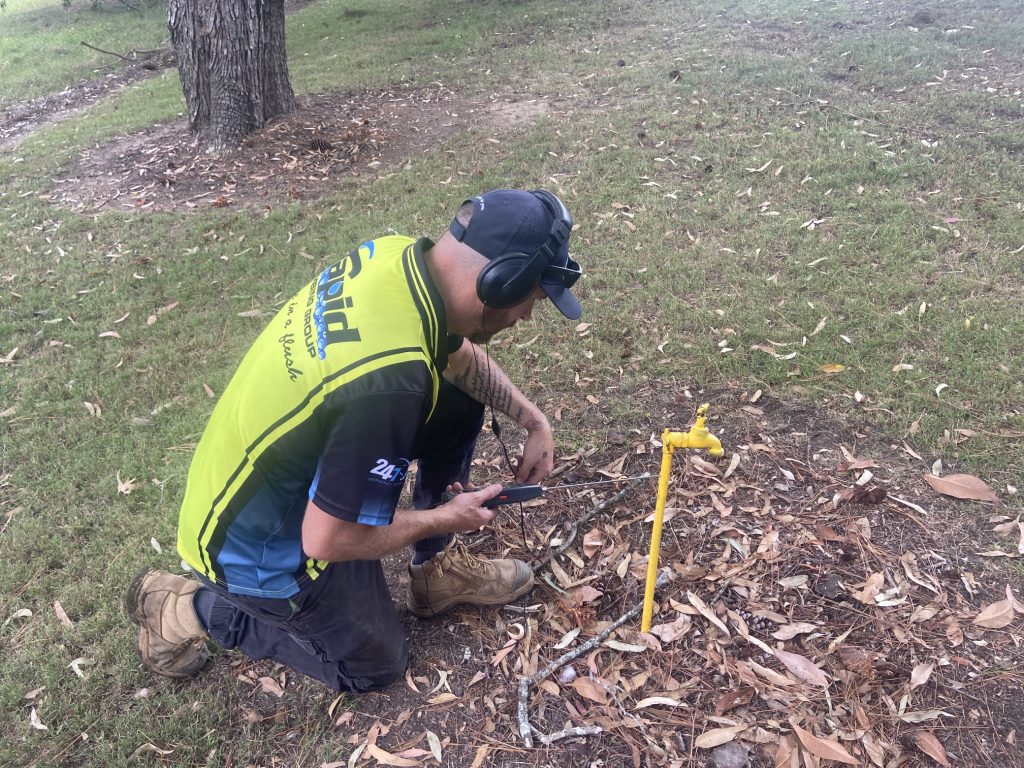
You can often still use it, but it’s risky to delay repairs for too long. A drip means something is failing, and failures can escalate.
Call urgently if:
- The drip becomes a steady stream
- The tap won’t shut off at all
- Water is coming from behind the wall
- You can’t isolate the water supply
- The leak is near electrical points or inside wall cavities
We offer 24/7 emergency plumbing for situations where a small leak turns into a “right now” problem.
You Can Check at Home (Safe, Simple Steps)
These are homeowner-friendly checks. If anything seems complicated or the leak appears behind the wall, stop and call a plumber.
Step 1: Confirm Where the Leak Is
Dry the tap and observe closely:
- From the spout → washer/seat/headworks likely
- From the handle → O-ring/packing likely
- From behind the tap → fitting or pipe leak likely
Step 2: Remove the Hose and Check the Connector
Sometimes the leak is the hose fitting, not the tap.
- Remove the hose
- Dry everything
- Turn the tap on/off
- Check if the drip continues from the tap spout
Step 3: Check If the Tap Is a Quarter-Turn Type
Quarter-turn taps should stop firmly with a short turn. If a quarter-turn tap is dripping, it may have a cartridge issue rather than a washer.
Step 4: Look for Signs of Pressure Problems
If you hear banging pipes or the tap “shudders” when turning on/off, pressure or water hammer may be part of the problem.
Step 5: Find Your Isolation Valve (If You Know Where It Is)
If you ever need to stop water quickly, knowing where your isolation valve is can prevent damage. If you’re unsure, our team can help identify isolation points during a routine plumbing visit.
DIY vs Licensed Plumber: When to Call the Pros
Call a licensed plumber if:
- You suspect a leak behind the wall
- The tap is old, seized, or heavily corroded
- You’ve replaced a washer before and it didn’t last
- The tap connects to irrigation, rainwater tanks, or pool lines
- You want a more reliable upgrade (quarter-turn, anti-siphon, etc.)
- You’ve got ongoing pressure issues
- It’s a rental or commercial property (compliance matters)
In Australia, getting plumbing work done properly helps protect your property and reduces repeat breakdowns.
Plumber Fixes a Dripping Garden Tap (What We Actually Do)
When Local Blacktown Plumber attends a dripping outdoor tap job, we typically follow a clear process:
1) Diagnose the True Leak Source
We confirm whether the leak is:
- Tap internal (washer/headworks)
- Handle area seal
- Wall fitting/pipework
- Related to pressure
2) Repair the Tap Internals (If It’s Worth Repairing)
This may include:
- Replacing washers
- Replacing O-rings/packing
- Servicing or replacing headworks
- Cleaning scale and debris
3) Recommend Replacement When Repair Won’t Last
If the tap body is cracked or seat is badly damaged, replacement is often the better long-term choice.
4) Check for Related Issues
Depending on what we find, we may also recommend:
- Pressure testing and control solutions
- Leak detection if moisture suggests a hidden leak
- Checking nearby plumbing points (toilets, internal taps) if the home has multiple leak symptoms
Repair vs Replace: Which Is Best Long-Term?
Repair Is Usually Best When:
- Tap body is in good shape
- Leak is clearly from worn internal parts
- The tap isn’t heavily corroded
- You want the most cost-effective fix
Replacement Is Usually Best When:
- Tap is old, rusted, or stiff
- Seat damage is significant
- Tap body is cracked
- Leaks keep returning
- You want a smoother, more reliable tap (like a quarter-turn)
A good replacement can reduce future dripping and make everyday garden use easier.
How Outdoor Tap Leaks Can Connect to Other Plumbing Problems
Outdoor taps are part of your bigger plumbing system. A leak here may connect to:
Irrigation and Garden Systems
Outdoor taps often feed:
- Irrigation timers
- Drip lines
- Sprinklers
- Soaker hoses
If you’ve got a dripping tap and inconsistent garden watering, there may be multiple leaks or pressure issues.
Blocked Drains and Yard Drainage
Constant dripping can create muddy areas, and poor yard drainage can hide other plumbing concerns. If you’re also noticing slow drains inside, it may be time for a broader check.
We handle blocked drain clearing and repairs, including:
- Water jetting
- Drain/sewer cleaning
- Camera inspections
- Tree root removal (a big issue in many Australian yards)
Hot Water Systems and Whole-Home Pressure
High pressure affects:
- Outdoor taps
- Shower heads
- Toilet valves
- Hot water system fittings and relief valves
We supply, install, service, and repair hot water systems:
- Gas, electric, instant
- Heat pumps, solar
- Commercial hot water solutions
Leak Detection Beyond the Garden Tap
If the leak is hidden, we can assist with leak detection for:
- Water leaks
- Shower leaks
- Pool leaks
- Gas leaks (when relevant)
FAQs (AEO-Friendly): Garden Tap Dripping in Australia
Why does my garden tap drip only sometimes?
It can happen when water pressure changes throughout the day. Worn seals may hold at lower pressure but leak when pressure rises.
Should I tighten the handle harder to stop the drip?
No. Over-tightening can damage the washer and seat, making leaks worse and repairs less effective.
What if the tap drips even after replacing the washer?
That often suggests a damaged valve seat, incorrect parts, mineral build-up, or the tap needs replacement.
Can a dripping garden tap mean a leak underground?
Yes—especially if the ground stays wet when the tap hasn’t been used. Leak detection can confirm the source.
Is it worth upgrading to a quarter-turn tap?
Often yes. Quarter-turn taps are easy to use and can be more reliable, especially for families who use the outdoor tap frequently.
Local Help: Residential Plumbing in Penrith and Surrounding Areas
If you’re in Penrith, Blacktown, or nearby Western Sydney suburbs and your garden tap won’t shut off properly, fixing it early is usually simple and avoids bigger damage later. Outdoor tap repairs are a common call-out for homeowners, landlords, and small businesses—especially during warm months when taps get used constantly.
Call Local Blacktown Plumber to Stop the Drip Properly
A garden tap that keeps dripping is more than annoying—it’s a sign your plumbing needs attention. Whether it’s a worn washer, a damaged seat, high pressure, a cracked fitting, or a hidden leak behind the wall, Local Blacktown Plumber can diagnose the cause and fix it the right way.
We provide:
- Residential, commercial, and industrial plumbing
- 24/7 emergency plumbing
- General plumbing repairs and installations (taps, toilets, showers, inspections and testing)
- Blocked drain clearing and repairs (water jetting, drain/sewer cleaning, camera inspections, tree root removal)
- Hot water system supply, installation, servicing, and repairs (gas, electric, instant, heat pumps, solar, commercial)
- Gas fitting and gas plumbing (installations, appliance installs, repairs, gas leak detection)
- Leak detection (water, shower, pool, and gas)
- Water filtration solutions
📞 Call Local Blacktown Plumber: 291583589
If you’re looking for residential plumbing in Penrith, book a visit today and get your outdoor tap sealing properly—no more drips, no more guessing, and no more wasted water.