Only One Sink Is Blocked (Everything Else Is Fine): Localised Blockage Causes
Key takeaways for homeowners
When only one sink is blocked and everything else in the house drains normally, the problem is usually close to that fixture—often in the waste outlet, the trap (the curved pipe under the sink), or the short branch drain that runs into the wall or floor.
This matters because a localised blockage is typically:
- Faster to diagnose (it’s usually not the whole sewer line)
- Cheaper to fix (less time and equipment than a full drain collapse)
- Easier to prevent (small habit changes go a long way)
Common “only one sink” scenarios:
- Kitchen sink blocked only: grease, food scraps, coffee grounds, or a clogged trap
- Bathroom basin blocked only: hair, soap scum, toothpaste build-up, or a stuck pop-up plug
- Laundry tub blocked only: lint, detergent sludge, sand/grit, or small objects
- Everything else fine: your main sewer drain is likely okay—though some layout issues can still cause a single-fixture problem
If you’re searching for residential plumbing in Penrith, this guide will help you understand the most common causes and what a professional plumber in Western Sydney will do to fix the blockage properly (not just “make it drain for now”).
What “localised blockage” actually means (in plain English)
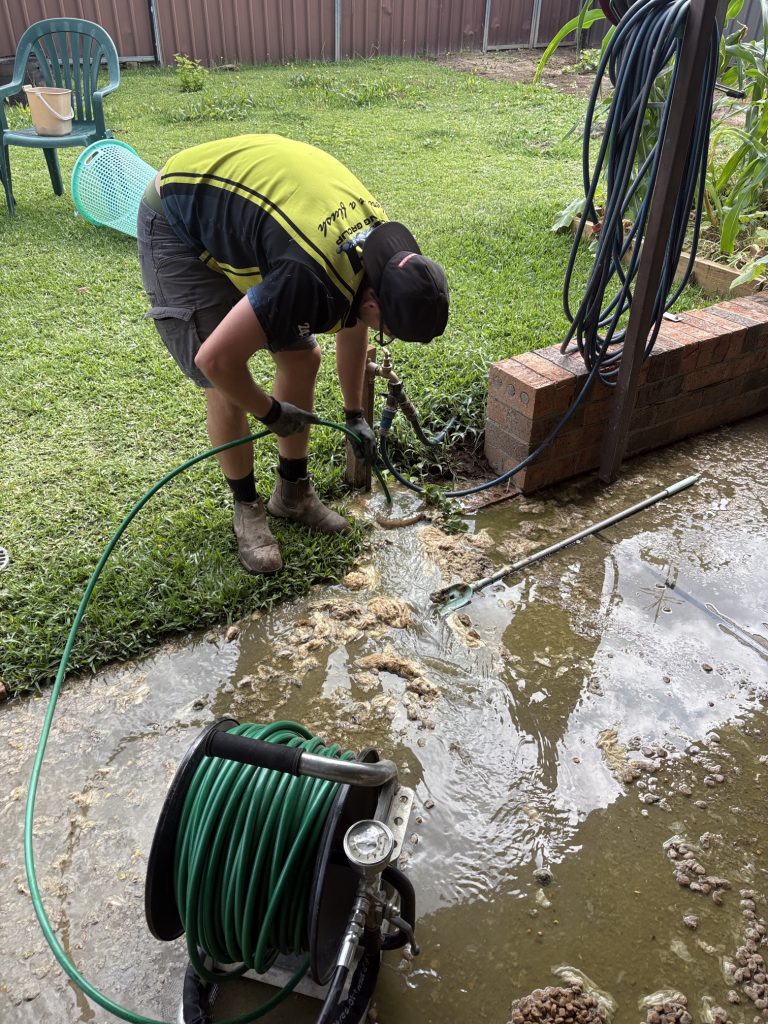
A localised blockage is a clog that affects one fixture rather than the entire home. Think of your plumbing system like a network of short pipes feeding into bigger pipes:
- The sink waste is the “starting point”
- The trap is the first bend where debris can settle
- The branch drain is the pipe behind the wall that carries water away
- The main drain and sewer connection are larger pipes that combine many fixtures
When only one sink is blocked, the clog is usually in the sink waste, trap, or branch drain—not in the main line.
How pros confirm it’s localised:
At Local Blacktown Plumber, we don’t guess. We’ll often start by checking flow behaviour and doing a quick assessment of nearby fixtures. If the blockage is stubborn or recurring, we may use a CCTV camera inspection to pinpoint exactly where the restriction starts—so we can clear it completely the first time.
Quick symptoms checklist (and what they’re trying to tell you)
Your sink gives clues. These signs help identify whether you’re dealing with grease, hair, a foreign object, or a deeper restriction.
1) Slow draining (but not fully blocked)
This usually means a partial clog that’s narrowing the pipe, such as:
- grease coating the pipe (kitchen)
- soap scum and hair sludge (bathroom)
- lint and detergent build-up (laundry)
Professional service that helps:
We can remove the trap, clean the line, and if needed, use water jetting to strip the pipe walls clean so it doesn’t re-block.
2) Water backs up quickly and sits there
This often means a more solid obstruction, like:
- a lump of food or grease plug
- a wad of hair and soap
- a small object lodged in the trap or waste outlet
Professional service that helps:
We can isolate and remove the blockage safely. If it’s deeper, a camera inspection helps us avoid damaging fittings while we clear it.
3) Bad smells from that sink only
Bad smells often come from rotting organic matter or bacteria build-up sitting in the trap or waste outlet:
- food sludge in a kitchen trap
- toothpaste + soap scum biofilm in a bathroom basin
- lint and detergent residue in laundry lines
Professional service that helps:
We clean and flush the trap, disinfect the affected section, and recommend prevention steps. If needed, we’ll check for poor venting or improper trap setup.
4) Gurgling noises
Gurgling happens when air can’t move properly because:
- a partial blockage is forcing air bubbles through water
- there’s poor venting near the fixture
- the trap is being disturbed by back-pressure
Professional service that helps:
We investigate whether the issue is purely a clog or partly vent-related, then clear the restriction and check that the system is draining smoothly.
5) The sink drains, then “fills back up”
This can happen when:
- the blockage is downstream in the branch drain
- water is temporarily passing, then slowing again
Professional service that helps:
A CCTV drain camera can confirm whether the branch line has a thick coating or a partial collapse/dip that’s trapping debris.
The most common causes (by sink type)
Kitchen sink: why it’s blocked when everything else is fine
Kitchen sink blockages are usually caused by “sticky” materials that cling to pipes.
1) Grease and fat build-up (the #1 kitchen culprit)
Grease doesn’t stay liquid in pipes. It cools, hardens, and coats the inside like candle wax. Over time, it traps food particles and forms a thick plug.
Sources include:
- cooking oils, butter, animal fat
- creamy sauces and soup residue
- greasy dishwater from pans and trays
Clue: starts as slow draining, then becomes a full blockage.
How we fix it:
At Local Blacktown Plumber, we often use high-pressure water jetting for grease blockages because it doesn’t just poke a hole—it clears the pipe walls so the grease doesn’t keep rebuilding.
2) Food scraps and “sink-friendly” items that aren’t
Even if you have a sink strainer, small particles can sneak through:
- rice and pasta (they swell)
- coffee grounds (they clump)
- flour (turns into paste)
- fibrous foods (celery, onion skins) that tangle
Clue: blockage appears after cooking or washing up.
How we fix it:
We’ll clear the trap first (common catch point), then if the clog is deeper, we may use a jetter or inspection camera to confirm the condition of the branch drain.
3) Overuse of detergent + grease = “pipe sludge”
Dish soap mixed with grease and mineral deposits can create a thick sludge layer. It doesn’t always smell bad at first, but it narrows the pipe until flow becomes weak.
Clue: grey, dull sludge in the trap; slow draining that returns often.
How we fix it:
We strip the build-up using drain cleaning and jetting where appropriate, and we can also check if the pipe fall (slope) is contributing to repeated buildup.
4) A jam in the trap or the waste outlet
Sometimes it’s not a build-up at all—it’s a physical jam:
- broken glass pieces
- bottle caps
- thick food clumps
- accidental debris from cleaning
Clue: sudden blockage, plunging doesn’t help much.
How we fix it:
We remove and clean the trap and fittings safely, replace worn washers/seals, and ensure everything is leak-free after reassembly.
Bathroom basin: localised clogs are usually hair + soap + toothpaste
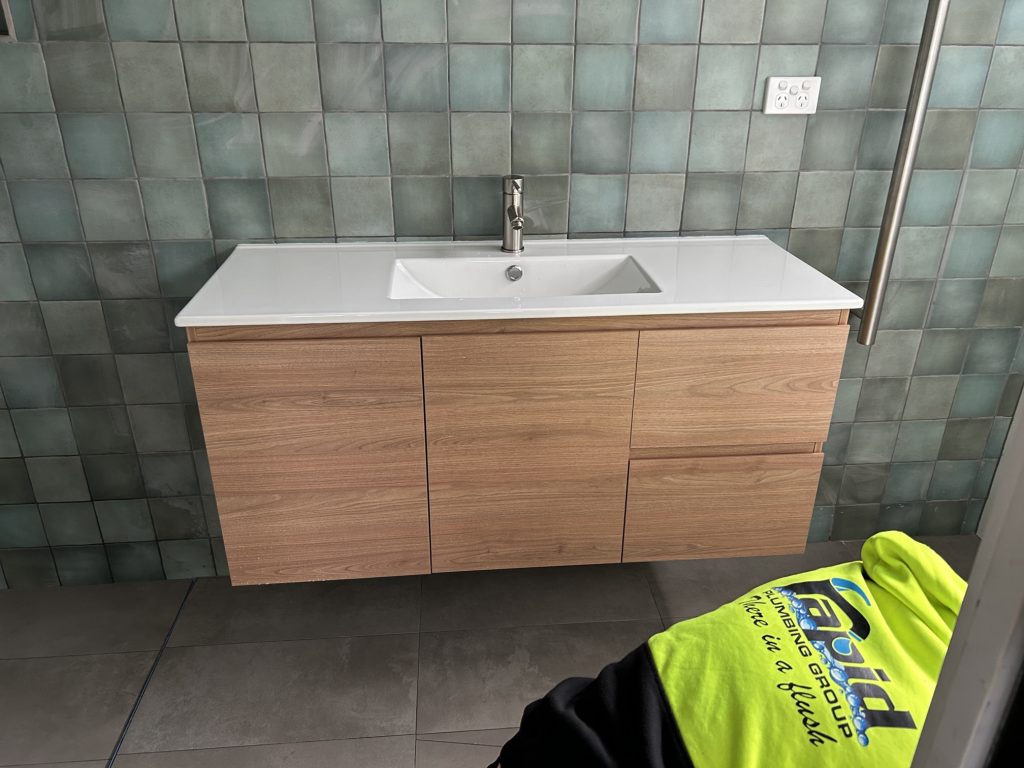
Bathroom blockages build slowly and feel “mysterious” until the sink stops draining.
1) Hair + soap scum “rope” formation
Hair is the net, soap scum is the glue. Together they form a rope-like blockage that catches more debris each day.
Clue: slow draining, then gurgling, then standing water.
How we fix it:
We remove the pop-up assembly, clear the blockage, and if needed, clean the branch drain behind the wall. For recurring clogs, we may recommend a deeper clean using professional drain equipment.
2) Pop-up plug and stopper mechanism clogs
Many basins have a stopper that traps:
- hair
- shaving debris
- floss
- tiny objects (like jewellery backs)
Clue: drains better when you hold the stopper up.
How we fix it:
We disassemble and clear it properly, check the seal and linkage, and ensure the plug operates smoothly without restricting flow.
3) Toothpaste + soap residue build-up
Toothpaste can leave a chalky film, especially with hard water. Mixed with soap scum, it creates a thick paste layer inside the waste pipe.
Clue: white/grey paste-like gunk; smells even after flushing.
How we fix it:
We clean the pipe walls properly and flush the system. If needed, we can check for rough pipe sections that encourage build-up.
Laundry sink: lint, grit, and detergent sludge
Laundry tubs often take rougher waste than bathroom basins, which can cause quick clogs.
1) Lint mats from washing work clothes and towels
Lint forms thick mats that trap everything:
- hair
- dirt
- small fabric fibres
- detergent residue
Clue: drains slowly after washing dirty loads or tipping mop water.
How we fix it:
We clear the local line, and if the branch drain is coated, we can use water jetting to clean it thoroughly.
2) Sand and grit (common in Aussie households)
If you’ve got kids, pets, gardening, or sports gear, sand and soil can build up inside the trap like sediment.
Clue: gritty debris in trap; blockage returns after heavy cleaning days.
How we fix it:
Trap clean + line flush. If recurring, we may check the pipe route and fall.
3) Small objects lodged in the trap
Coins, caps, buttons, and toy parts can lodge in the bend and act like a “dam” that catches lint.
Clue: sudden blockage, and tools hit a hard stop.
How we fix it:
We remove the obstruction safely and inspect for any fitting damage afterward.
Where the clog usually sits (and why location changes the best fix)
Knowing the location helps avoid wasted effort.
A) In the waste outlet (right below the plughole)
Common with hair, toothpaste sludge, and small objects.
What we do:
We dismantle the waste fitting, clear debris, and ensure the seal is tight to prevent leaks.
B) In the trap (under the sink)
This is the most common localised blockage point.
What we do:
We remove and clean the trap, reseal it properly, and test drainage. If the trap is old or cracked, we can replace it as part of a general plumbing repair.
C) In the branch drain (behind the wall)
Common for grease (kitchen) and soap scum (bathroom), especially if the branch line is long.
What we do:
We clear it using professional drain tools. If it’s stubborn, we use water jetting and/or camera inspections to confirm complete removal.
D) Slightly further downstream (still “localised”)
Sometimes the clog sits near a junction where that sink line connects to a bigger pipe.
What we do:
A CCTV camera inspection locates the restriction, and we clear it with jetting or targeted drain cleaning—no guesswork.
Safe DIY steps (that won’t damage your plumbing)
These are safe first steps before calling a plumber.
Step 1: Confirm other drains are truly fine
Check:
- toilet flush
- shower drain
- other sinks
- outside gully (if you have one)
If only one sink is affected, it’s likely localised.
Step 2: Use hot water the right way (especially kitchen sinks)
Pour hot water slowly, in stages, to soften grease.
Note: hot water helps grease but won’t remove a solid object.
Step 3: Plunge correctly
- add a bit of water
- block overflow hole with a wet rag
- plunge firmly 10–15 times
- if double sink: block the other bowl
Step 4: Clean the trap (best DIY fix if you’re comfortable)
- bucket underneath
- loosen slip nuts
- remove debris
- reassemble carefully and check for leaks
If you’re unsure, stop and call a pro—because overtightening can crack fittings.
What NOT to do (common mistakes)
1) Don’t rely on harsh drain chemicals
They can:
- fail on grease and hair ropes
- damage older pipes and seals
- create a splash hazard for anyone opening the line later
2) Don’t force tools blindly
You can push obstructions deeper or damage fittings.
3) Don’t ignore repeat clogs
Repeated clogs often mean there’s an underlying cause:
- grease coating the branch line
- pipe fall issues
- rough internal pipe surfaces
- deeper partial obstruction
This is where camera inspections and proper drain cleaning are worth it.
When “one blocked sink” might mean a bigger issue
It’s usually local—but call a plumber if you see:
- multiple drains slowing down
- sewage smells outside
- gurgling in several fixtures
- water backing into a floor waste or shower
- wet patches in the yard
What we can do:
We can run a CCTV camera, clear lines with water jetting, and repair damaged sections if needed.
The professional fixes (how plumbers solve it properly)
1) CCTV drain camera inspection
This shows:
- exact location of the blockage
- what’s causing it (grease, hair, object, roots)
- pipe condition (cracks, dips, offsets)
2) High-pressure water jetting
This is one of the best solutions for:
- grease plugs
- sludge build-up
- recurring local clogs
It cleans the pipe walls, not just the centre.
3) Tree root removal (when relevant)
Roots are less common with “one sink only,” but if your layout connects that sink line near root intrusion, we can remove roots and recommend repair options.
4) General plumbing repairs and installations
Sometimes the real problem is a plumbing setup issue:
- incorrect trap configuration
- worn seals causing leaks
- poor pipe slope creating build-up zones
We fix the cause and test the system properly.
Prevention tips that actually work (easy and realistic)
Kitchen
- wipe grease off pans first
- never rinse coffee grounds, rice, or pasta down the sink
- use a strainer
- flush with hot water after washing up
Bathroom
- clear hair weekly
- keep the stopper mechanism clean
- flush with hot water occasionally
Laundry
- shake out sandy clothes
- avoid tipping heavy grit water
- consider lint catching habits
FAQs (AEO-friendly)
Why is only one sink blocked but everything else drains fine?
Because the blockage is likely in the trap, waste outlet, or branch drain for that sink—before it joins the main drain.
Should I use Draino or chemicals?
It’s usually not the best idea. Chemicals often don’t solve the root cause and can create safety risks during repairs.
How do plumbers clear a localised blockage?
Typically by cleaning the trap/waste, then clearing the line using professional drain tools. For stubborn clogs, water jetting and CCTV inspections ensure it’s fully cleared.
Need a plumber near Penrith? Call Local Blacktown Plumber today
If your sink is blocked and DIY isn’t working—or the clog keeps coming back—don’t keep guessing. A localised blockage is usually quick to fix with the right tools, and we can make sure it’s fully cleared so it doesn’t return next week.
Local Blacktown Plumber offers fast, reliable help across Western Sydney, including:
- 24/7 emergency plumbing
- Blocked drain clearing & repairs (high-pressure water jetting, drain/sewer cleaning, CCTV camera inspections, tree root removal)
- General plumbing repairs & installations (taps, toilets, showers, inspections and testing)
- Hot water system supply, installation, servicing & repairs (gas, electric, instant, heat pumps, solar, and commercial hot water)
- Gas fitting & gas plumbing (appliance installs, repairs, gas leak detection)
- Leak detection (water, shower, pool, and gas)
- Water filtration solutions for cleaner, better-tasting water
For trusted residential plumbing in Penrith, call now:
📞 Local Blacktown Plumber — 291583589