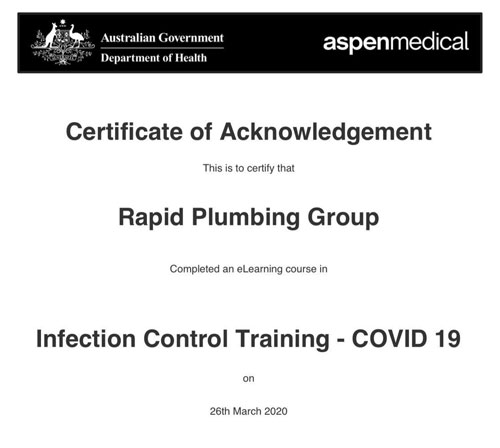
Pipe Leak Emergency in Healthcare Facilities: Safety and Compliance Considerations
Healthcare facilities such as hospitals, medical centres, aged care homes, and specialist clinics depend on safe, stable, and compliant plumbing systems 24/7. Unlike residential buildings, even a small pipe leak emergency in a healthcare environment can quickly escalate into a serious risk involving patient safety, infection control, equipment damage, and compliance breaches.
In Australia, healthcare plumbing systems must meet strict national standards and be maintained by licensed professionals. A delay in response—even by a few hours—can lead to contamination risks, service disruptions, and costly repairs.
This expanded guide explains everything in detail, including causes, risks, compliance requirements, emergency response procedures, and prevention strategies. It also shows how professional plumbing services like those offered by Local Blacktown Plumber play a critical role in keeping healthcare facilities safe and operational.
Why Pipe Leak Emergencies Are Critical in Healthcare Facilities
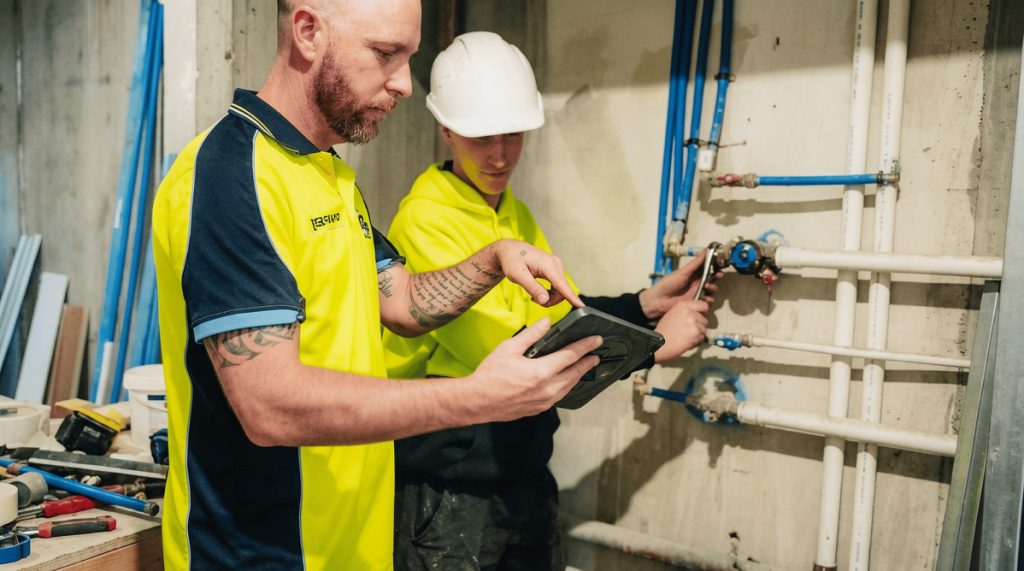
A pipe leak emergency in a hospital or healthcare facility is not just a maintenance issue—it is a potential public health risk.
Water systems in these environments are connected to:
- Patient wards
- Operating theatres
- Sterilisation rooms
- Kitchens and laundries
- Medical equipment zones
- Drinking water systems
When a leak occurs, it can spread quickly and affect multiple systems at once.
Infection Control Risks
Water leaks can create damp environments where bacteria, mould, and fungi grow rapidly. In healthcare settings, this can lead to:
- Increased risk of hospital-acquired infections (HAIs)
- Contamination of sterile areas
- Growth of dangerous bacteria like Legionella in water systems
Electrical and Equipment Hazards
Modern hospitals rely on sensitive electrical equipment. Water leaks can:
- Short-circuit medical devices
- Damage monitoring systems
- Interrupt life-support machines
- Trigger electrical shutdowns for safety
Operational Disruptions
Even a small leak may require shutting down entire sections of a facility, affecting:
- Surgery schedules
- Patient admissions
- Emergency services
- Staff workflow
This is why healthcare plumbing must be treated as a critical infrastructure system—not just a building utility.
Common Causes of Pipe Leak Emergencies in Healthcare Facilities
Understanding what causes a pipe leak emergency helps facility managers prevent them before they happen.
1. Aging Plumbing Infrastructure
Many Australian healthcare buildings, especially older public hospitals, still rely on outdated pipe networks made from:
- Galvanised steel
- Copper (in older sections)
- Early PVC systems
Over time, these materials corrode, crack, and weaken under constant use.
Local Blacktown Plumber often handles pipe relining and pipe replacement services to upgrade aging systems without major demolition, reducing downtime for healthcare operations.
2. High Water Usage and Constant Pressure
Hospitals operate 24/7, meaning plumbing systems are always under load.
High-demand areas include:
- Sterilisation units
- Laundry facilities
- Patient bathrooms
- Commercial kitchens
- Hydrotherapy areas
This constant pressure increases wear and tear, making leaks more likely.
Professional services like water pressure testing and system inspections help detect weak points before failure occurs.
3. Blocked Drains and Sewer Backups
Blocked drainage systems are a major hidden cause of pipe leaks.
When drains become clogged:
- Pressure builds inside pipes
- Wastewater backs up
- Pipes may crack or burst
Common causes include:
- Grease buildup in kitchens
- Foreign objects in toilets
- Soap scum and debris
- Tree root intrusion in underground pipes
Local Blacktown Plumber provides:
- High-pressure water jetting (hydro jetting)
- CCTV drain camera inspections
- Tree root removal from sewer lines
- Emergency blocked drain clearing (24/7 service)
These services are essential in preventing drainage-related pipe failures.
4. Poor Installation or Non-Compliant Work
If plumbing systems are not installed correctly or do not meet Australian Standards, they are far more likely to fail early.
Issues include:
- Incorrect pipe sizing
- Poor joint sealing
- Use of low-quality materials
- Non-compliant gas or water fittings
This is why healthcare plumbing must only be handled by fully licensed professionals.
5. Hot Water System Failures
Healthcare facilities rely heavily on hot water systems for:
- Sterilisation
- Cleaning
- Patient care
Systems may include:
- Gas hot water units
- Electric systems
- Solar hot water
- Heat pump systems
- Instantaneous systems
When these systems fail, pressure changes can lead to pipe leaks.
Local Blacktown Plumber offers:
- Hot water system installation and upgrades
- Emergency hot water repairs
- Commercial hot water servicing
6. Underground Pipe Damage and Tree Roots
Tree roots naturally seek moisture and often invade underground sewer and water pipes.
This can cause:
- Cracked pipes
- Blocked sewer lines
- Hidden underground leaks
Using CCTV drain inspections, plumbers can identify root intrusion early and remove it using specialised equipment.
Early Warning Signs of a Pipe Leak Emergency
Early detection is one of the most important ways to reduce damage.
Visual Signs
- Wet patches on walls or ceilings
- Water pooling in unusual areas
- Peeling paint or bubbling surfaces
- Mould growth in corners
Sound Indicators
- Dripping or running water sounds
- Hissing from pipes inside walls
Water System Changes
- Sudden drop in water pressure
- Unexplained increase in water usage
- Fluctuating hot water temperatures
Smell Indicators
- Musty or damp smells
- Sewer odours (indicating drainage issues)
Local Blacktown Plumber uses advanced leak detection equipment including acoustic sensors and thermal imaging to find hidden leaks without damaging hospital infrastructure.
Immediate Steps During a Pipe Leak Emergency
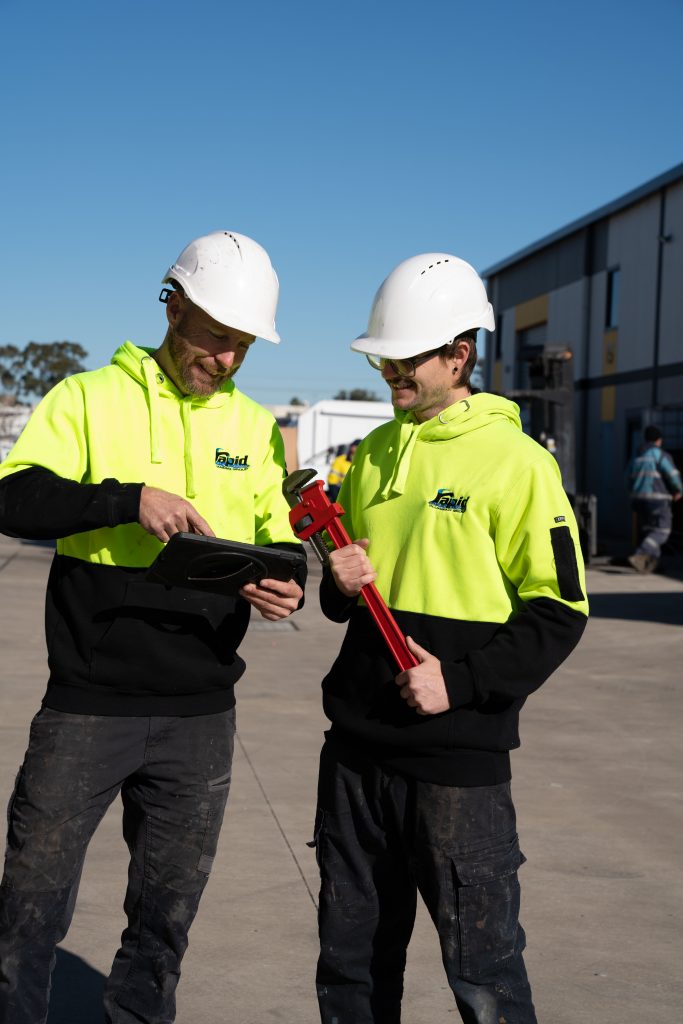
In healthcare facilities, fast response is critical.
Step 1: Shut Off Water Supply Immediately
Locate the main isolation valve and stop water flow to prevent further damage.
Step 2: Protect Patients and Medical Equipment
- Move patients away from affected zones
- Cover or relocate sensitive equipment
- Switch off electrical systems if water is nearby
Step 3: Contain the Leak
Use temporary barriers, absorbent materials, or drainage diversion to control water spread.
Step 4: Call Emergency Plumbing Services
A 24/7 licensed plumber must be contacted immediately for urgent repairs.
Local Blacktown Plumber provides round-the-clock emergency plumbing response, ensuring fast arrival and immediate action.
Step 5: Document the Incident
For compliance and insurance:
- Take photos
- Record time and location
- Document response actions
Australian Plumbing Compliance in Healthcare Facilities
Healthcare plumbing systems in Australia must follow strict regulations to ensure safety.
AS/NZS 3500 Plumbing Standards
These standards regulate:
- Pipe installation
- Drainage systems
- Water supply safety
- Pressure control systems
Infection Control Standards
Healthcare facilities must ensure plumbing systems:
- Do not harbour bacteria
- Prevent cross-contamination
- Maintain safe potable water supply
Gas Safety Compliance
If gas systems are used (for hot water or heating), they must meet strict gas fitting regulations.
Local Blacktown Plumber provides licensed:
- Gas leak detection and repairs
- Gas appliance installation
- Commercial gas plumbing compliance services
Water Efficiency Requirements
Facilities must also manage water use efficiently while maintaining safety and hygiene standards.
Role of Professional Emergency Plumbers in Healthcare Facilities
Professional plumbers provide more than just repairs—they ensure systems remain compliant and safe.
Emergency Leak Repairs
Quick identification and repair of burst or leaking pipes using non-invasive techniques where possible.
Leak Detection Services
Using:
- Acoustic listening devices
- Thermal imaging cameras
- Pressure testing
This allows detection of hidden leaks inside walls and underground systems.
Blocked Drain Clearing Services
Includes:
- High-pressure water jetting
- Sewer line cleaning
- Grease trap maintenance
- Toilet and sink blockage removal
CCTV Drain Inspections
Small waterproof cameras are inserted into pipes to:
- Identify cracks
- Detect blockages
- Locate tree root intrusion
Hot Water System Services
- Installation of new systems
- Repairs and replacements
- Energy-efficient upgrades
- Commercial system maintenance
Gas Plumbing Services
- Gas leak detection
- Gas appliance installation
- Emergency gas repairs
- Compliance testing
Prevention Strategies for Pipe Leak Emergencies
Prevention is essential in healthcare facilities where downtime is not an option.
Regular Plumbing Maintenance
Schedule inspections every 6–12 months to identify early issues.
Drain Cleaning and Maintenance
Prevent blockages using:
- Routine hydro jetting
- Grease trap servicing
- Sewer flushing
Upgrade Aging Infrastructure
Replace old pipes before they fail using modern materials designed for durability.
Install Leak Detection Systems
Modern sensors can alert staff immediately when moisture or leaks are detected.
Hot Water System Servicing
Regular servicing ensures:
- Stable pressure
- Safe temperature control
- Reduced pipe stress
Tree Root Prevention
Regular CCTV inspections prevent underground damage from root intrusion.
Importance of 24/7 Emergency Plumbing Support
Healthcare facilities cannot wait for business hours.
A burst pipe at night or during surgery hours requires immediate attention.
A professional 24/7 service ensures:
- Rapid response
- Minimal downtime
- Reduced water damage
- Faster recovery of services
Local Blacktown Plumber provides emergency plumbing support day and night, ensuring healthcare facilities stay operational.
Why Local Expertise Matters in Blacktown and Greater Sydney
Working with a local plumbing team means:
- Faster arrival times during emergencies
- Better understanding of local infrastructure
- Familiarity with council and compliance requirements
- Reliable ongoing maintenance support
Healthcare facilities benefit greatly from having a trusted local plumbing partner.
Pipe Leak Emergency Prevention Checklist
Facility managers should regularly check:
- Plumbing system inspections scheduled
- Drain systems cleaned and tested
- Hot water systems serviced
- Leak detection systems installed
- Emergency shut-off valves accessible
- Staff trained in emergency response
- Maintenance logs updated for compliance
Final Thoughts
A pipe leak emergency in a healthcare facility is a serious issue that can affect patient safety, operational continuity, and regulatory compliance. However, with proper maintenance, early detection systems, and professional plumbing support, these risks can be significantly reduced.
Healthcare facilities must treat plumbing as a critical infrastructure system, not just a maintenance concern.
🚨 Emergency Plumbing Support You Can Trust
If your healthcare facility is facing a pipe leak emergency, immediate action is essential.
Local Blacktown Plumber is your trusted partner for fast, reliable, and fully licensed plumbing services across residential, commercial, and industrial sectors in Australia.
We specialise in:
- 24/7 emergency pipe leak repairs
- Blocked drain clearing and CCTV inspections
- Water, gas, and hidden leak detection
- Hot water system installation and servicing
- Gas fitting and gas leak repairs
- General plumbing maintenance and compliance work
📞 Call us now: 291583589
Don’t wait for a small leak to become a major shutdown risk. Our emergency plumbers are ready 24/7 to protect your healthcare facility, ensure compliance, and keep your operations running safely.