Renovating in Blacktown? Why a Licensed Plumber Matters
| Quick answer: If your Blacktown renovation touches water, waste, drainage or gas, the work must legally be carried out by a licensed plumber in NSW. A licensed plumber Blacktown homeowners hire is required to lodge a Notice of Work before starting, issue a Certificate of Compliance when the job is finished, and build to the Plumbing Code of Australia and AS/NZS 3500. Using an unlicensed operator can void your compliance paperwork, complicate your insurance, and leave defects that only surface after the new tiles are down. |
On this page
- What actually counts as plumbing work in a renovation
- The paperwork a licensed plumber in NSW must produce
- Sydney Water approvals Blacktown renovators often miss
- What goes wrong when unlicensed work slips into a reno
- Blacktown homes have their own plumbing quirks
- How to check a plumber before you let them start
- Where your plumber fits in the renovation timeline
Why this matters before the demolition starts
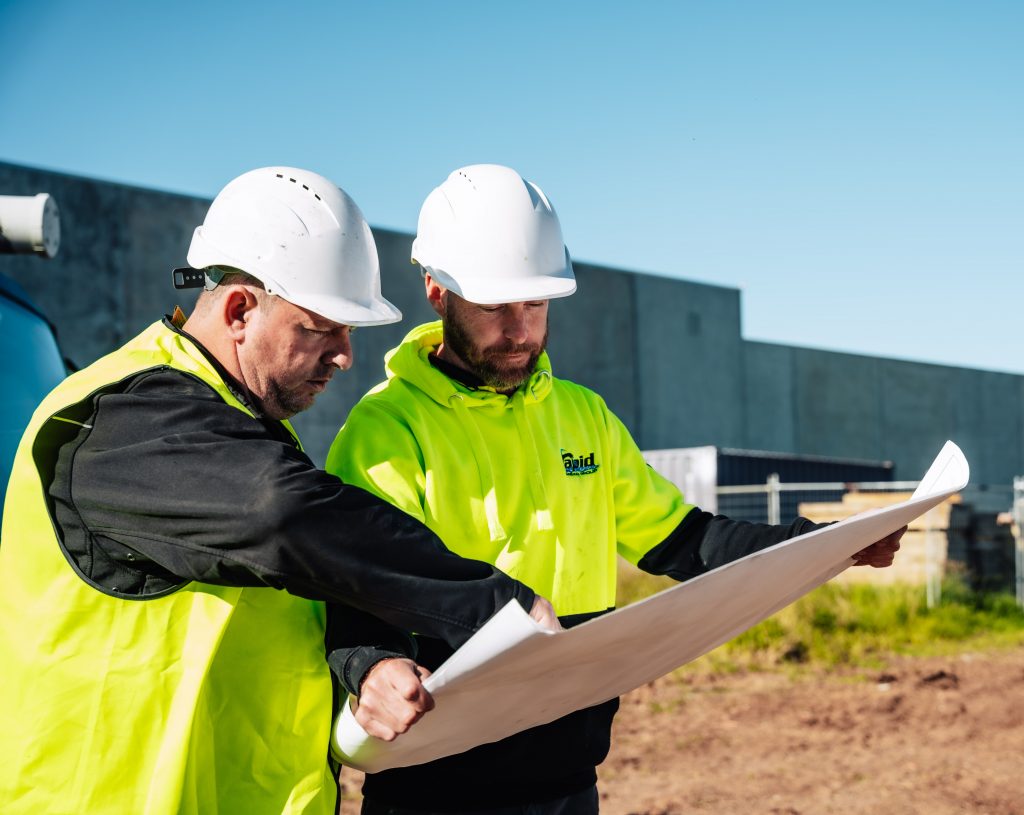
Renovations in Blacktown tend to start with the fun part. New benchtops, a bigger shower, maybe finally opening up the kitchen wall. The plumbing rarely gets a look in until someone pulls off a vanity and finds a corroded copper stub in the wall cavity.
That is the moment the question changes from “who is cheapest” to “who is actually allowed to touch this”. In New South Wales, plumbing, draining and gasfitting are licensed trades for a reason. The work sits behind walls and under slabs where nobody can inspect it later, and a mistake does not announce itself for months. Hiring a licensed plumber Blacktown residents can verify is the part of the job that protects the rest of your renovation budget.
What actually counts as plumbing work in a renovation
More of your renovation is regulated plumbing work than most homeowners expect. It is not just connecting a new toilet. In a typical Blacktown reno, licensed work usually includes:
- Relocating or extending water supply lines for a new kitchen island, laundry or ensuite
- Moving or adding waste and drainage points, including floor wastes and shower drains
- Waterproofing penetrations and setting falls so a wet area drains properly
- Installing, relocating or replacing a hot water system
- Any work on gas lines for a cooktop, oven or instantaneous hot water unit
- Backflow prevention, tempering valves and thermostatic mixing where required
- Connecting rainwater tanks, pumps or stormwater to the existing system
Swapping a tapware set on an existing outlet is minor. Moving that outlet 900mm along a wall is not. If a fixture is changing position, if a pipe is being cut, or if gas is involved, you are in licensed territory. That is the same category of work covered under general plumbing services, and it is worth scoping properly before your builder locks in a start date.
| Still in the planning stage? If you are sketching layouts and are not sure which changes trigger licensed plumbing work, it costs nothing to ask. Browse the full range of plumbing services available in Blacktown and get a clearer picture of what your renovation will actually involve. |
The paperwork a licensed plumber in NSW must produce
This is where licensed and unlicensed work separate most clearly. A licensed plumber is not just skilled, they are accountable in writing. NSW plumbing and drainage work sits under the Plumbing and Drainage Act 2011 and the Home Building Act 1989, and it generates a documentation trail.
Notice of Work
Before starting, the licensed plumber must submit a Notice of Work that sets out what is being done and who is doing it. In the Sydney area, this goes to Building Commission NSW through the MyInspections Gateway for work that requires an inspection. It is the formal declaration that a licensed person has taken responsibility for the job.
Certificate of Compliance
At the completion of plumbing and drainage work, the plumber completes a Certificate of Compliance. It confirms the work meets the Act, the Regulation, the Plumbing Code of Australia and the deemed-to-satisfy requirements of AS/NZS 3500, and it names the plumber as the responsible person. You should be given a copy. Keep it. When you sell the property or make a claim, this is the document that proves the work was done properly.
Sewer Service Diagram
Where drainage work has changed the layout of your sanitary drainage, a Sewer Service Diagram records the new arrangement. It is genuinely useful years later, when someone needs to know where the line runs before digging a pool or planting a tree.
An unlicensed operator cannot produce any of this. That is not a technicality. It means there is no record, no accountability, and nothing to hand a buyer, a conveyancer or an insurer when they ask.
Sydney Water approvals Blacktown renovators often miss
Blacktown sits inside Sydney Water’s area of operations, and that adds a layer many homeowners do not see coming. If you are building, excavating or landscaping over or close to Sydney Water pipes or structures, Sydney Water must approve your plans before work starts. Applications go through the Sydney Water Tap in online service. Straightforward projects can be approved on the spot, while anything that may affect an asset gets referred to a water servicing coordinator for further assessment.
Two more points worth knowing early:
- Sydney Water suggests avoiding tree planting within about six metres of wastewater pipes, which matters if your renovation includes new landscaping
- A BASIX water target applies to new homes, to renovations costing $50,000 or more, and to pools or spas of 40,000 litres or more
An experienced local plumber has been through this process many times and will flag it before it holds up your certifier. Someone working without a licence usually will not raise it at all, and you may only find out when your certifier asks for approved plans you do not have.
What goes wrong when unlicensed work slips into a reno
The failures are rarely dramatic on day one. They show up later, and by then the work is sealed behind tiles and plasterboard.
Falls and drainage. A shower floor that does not fall correctly toward the waste holds water against the membrane, and over time moisture tracks into adjoining rooms. It is one of the most expensive defects to correct, because the fix means removing the new tiling.
Undersized or mismatched pipework. Extending an old line with the wrong diameter or an incompatible material can leave you with poor pressure at the new fixtures, or joints that fail under normal thermal movement.
Waste and vent problems. Get the venting wrong and you get gurgling traps, slow drainage and sewer odour in a brand new bathroom. These issues frequently get misdiagnosed as blocked drains when the real problem is how the system was built.
Gas work. Gasfitting carries safety consequences that no cost saving justifies. If your renovation involves a new cooktop or a gas hot water unit, this needs a licensed gas fitting and LPG specialist, without exception.
Insurance and resale. In NSW, a written contract is required for residential building work over $5,000, and Home Building Compensation cover is compulsory for work valued at $20,000 or more, with the contractor required to obtain that cover before starting work or taking payment. Statutory warranties under the Home Building Act run for six years for major defects and two years for other losses. If the work was done by someone unlicensed, you may find those protections are simply not available to you.
| Comparing quotes for your renovation? Price is worth comparing, but so is what sits behind it. Our guide to fair plumbing prices in Blacktown explains what a reasonable quote should include, and how to choose a reliable local plumber walks through the questions worth asking before you commit. |
Blacktown homes have their own plumbing quirks
Local experience is not a marketing line. The housing stock across Blacktown spans several decades of construction practice, and each era brings its own surprises once you open a wall.
Older brick veneer homes around Blacktown, Seven Hills and Lalor Park often still carry legacy pipework that was fine for one bathroom and a laundry tub, but struggles once you add a second bathroom and a dishwasher. Renovating these homes means assessing whether the existing supply line can carry the new demand rather than simply teeing off it. Mature street trees also make root intrusion a recurring theme here, so if your job involves excavation or new paving, know the condition and location of the drainage line before the concrete goes down.
Newer estates toward Marsden Park, The Ponds and Schofields present a different challenge. The pipework is modern, but easements and asset clearances are tight, and the approvals question comes up quickly on anything involving an extension or a pool.
A plumber who works across Blacktown and the surrounding suburbs every week has seen all three scenarios and will factor them into the quote instead of discovering them mid-job.
How to check a plumber before you let them start
This takes a few minutes and it is worth doing every time, even on a referral.
- Ask for the licence number and check it. NSW Fair Trading maintains a public licence check. Confirm the name on the licence matches the business quoting you, and that the licence class covers the work.
- Get the quote in writing, itemised. Vague single-line quotes make variations impossible to argue about later.
- Confirm who is submitting the Notice of Work. If the answer is unclear or dismissive, that tells you something.
- Ask about Home Building Compensation cover if the plumbing component is $20,000 or more, and ask for the certificate.
- Ask who will actually be on site, and whether the licensed person is supervising the work.
Businesses that are open about their team, their licensing and their service area tend to be the ones that stand behind the job. It is reasonable to read the about page before you hand over a deposit.
Where your plumber fits in the renovation timeline
Bringing a plumber in too late is one of the most expensive scheduling mistakes in a home renovation.
- Design stage. Fixture positions drive drainage falls. A plumber reviewing the plan early can tell you whether that island sink is straightforward or whether it means cutting the slab.
- Approvals stage. Sydney Water building plan approval and any council or certifier requirements are best handled before demolition, not during it.
- Rough-in. All supply, waste and gas lines go in before the wall linings. This is the stage that must be right.
- Before waterproofing. Falls, wastes and penetrations are checked here. Once the membrane is on and the tiles are down, corrections get costly.
- Fit-off. Fixtures, tapware and appliances are connected and tested.
- Hot water. If you are upgrading, hot water installation and repairs should be scheduled alongside the rest of the work rather than treated as an afterthought.
Key takeaways
- Most plumbing changes in a renovation are licensed work in NSW, not optional DIY territory
- A licensed plumber must lodge a Notice of Work before starting and issue a Certificate of Compliance at completion
- Work in Blacktown may require Sydney Water building plan approval through Tap in before you start
- Written contracts are required for residential building work over $5,000, and Home Building Compensation cover applies at $20,000 or more
- Verify the licence with NSW Fair Trading before work begins, not after
- Involve your plumber at design stage, not after the walls come down
| Ready to get the plumbing right the first time? Local Blacktown Plumber is a licensed, family owned team working across Blacktown and the surrounding suburbs, with 24/7 availability if something goes wrong mid renovation. Call (02) 9158 3589 for a free quote, or get in touch through our contact page and we will talk through your renovation plans. If a burst line or a failed connection turns urgent, our 24/7 emergency plumbing service is available around the clock. |
Frequently asked questions
Do I need a licensed plumber for a small bathroom renovation in Blacktown?
Almost certainly yes. If the renovation involves moving a fixture, altering waste or supply pipework, changing a floor waste, or touching gas, that is licensed plumbing work in NSW. Only very minor tasks such as swapping tapware on an existing outlet fall outside it. If you are unsure, ask before you book the tiler.
What happens if unlicensed plumbing work is discovered when I sell?
It can complicate the sale. Buyers and their conveyancers often ask for compliance documentation on recent renovation work, and unlicensed work will not have a Certificate of Compliance. In some cases the work needs to be inspected, rectified and certified before settlement can proceed, which is far more expensive than doing it correctly the first time.
How do I check whether a plumber in Blacktown is licensed?
Ask for the licence number and the name it is held under, then check it against the NSW Fair Trading public licence register. Confirm the licence is current and that the class of licence covers the work you need, particularly for gasfitting. A legitimate plumber will hand over the number without hesitation.
Does my renovation need Sydney Water approval?
It may. If your building, excavation or landscaping work is over or close to Sydney Water pipes or structures, Sydney Water must approve your plans before you start, and applications are lodged through Sydney Water Tap in. Your certifier or council paperwork will usually flag it, but it is safer to check early rather than discover it mid project.
Who is responsible if renovation plumbing fails a year later?
If a licensed contractor did the work under a proper contract, statutory warranties under the Home Building Act apply, running for six years for major defects and two years for other losses. If the work was unlicensed, those protections may not be available and you could be left covering the rectification yourself.