Rental Property Plumbing in Blacktown: A Landlord’s Guide to Hiring a Rental Property Plumber Blacktown
A reliable rental property plumber Blacktown landlords can call quickly helps protect the property, keep tenants safe, and reduce costly plumbing damage. Rental property plumbing covers urgent repairs, routine maintenance, hot water systems, blocked drains, leak detection, gas fitting, and checks between tenancies. For landlords in Blacktown, having a clear plumbing plan makes it easier to respond to tenant reports, avoid repeat problems, and keep the rental home in good working order.
What plumbing responsibilities do Blacktown landlords need to understand?
Landlords in Blacktown need to provide and maintain working plumbing, safe drainage, hot and cold water, and usable bathroom facilities. These are basic parts of a liveable rental property. If they fail, the issue can affect the tenant’s comfort, hygiene, safety, and ability to use the home day to day.
For many landlords, the hard part is not understanding that repairs matter. The hard part is knowing when to act, who to call, and how to keep clear records. A small leak, slow drain, or weak hot water system may not look serious at first. But if it is ignored, it can lead to water damage, tenant complaints, mould, damaged cupboards, or emergency call-outs.
A rental property should have plumbing that supports normal household use. This includes working taps, showers, toilets, sinks, drains, hot water, gas connections where fitted, and safe wastewater removal. In a unit or townhouse, landlords may also need to consider strata rules, shared pipes, and common drainage lines.
Key areas landlords should keep in working order
Landlords should pay close attention to:
- Kitchen taps, sinks, mixers, and waste pipes
- Bathroom taps, showers, baths, toilets, and vanities
- Laundry taps, troughs, washing machine connections, and floor wastes
- Hot water systems and tempering valves
- Outdoor taps, stormwater drains, and garden drainage
- Gas hot water units, cooktops, heaters, and gas lines
- Water filtration systems if installed
- Sewer and stormwater drainage around the property
The best approach is to treat plumbing as part of asset protection. A rental property is not just a building. It is an income-producing investment that needs regular care.
When plumbing is well maintained, tenants are less likely to face repeated disruption. Landlords are also more likely to avoid sudden damage, emergency repairs, and disputes about ignored maintenance.
When should you call a rental property plumber Blacktown landlords can rely on?
You should call a rental property plumber Blacktown landlords can rely on as soon as a plumbing issue affects safety, hygiene, drainage, water supply, hot water, gas, or active property damage. Some plumbing issues can be scheduled during normal hours. Others need fast attention because they can make the property unsafe or difficult to live in.
For example, a burst pipe, serious leak, blocked toilet, sewer backup, or gas smell should never be left for days. These problems can quickly create damage, health concerns, or safety risks. A dripping tap or loose fitting may not be urgent, but it should still be booked before it becomes worse.
Landlords and property managers should also take tenant reports seriously even when the issue sounds small. Tenants may not know the technical cause. They may only know that the shower is slow to drain, the toilet is making noise, or there is a damp smell in the bathroom. A qualified plumber can inspect the issue and explain whether it is minor, urgent, or a sign of a larger fault.
Signs to watch for
Call a plumber promptly if the tenant reports:
- No hot water or hot water that runs out too quickly
- A toilet that will not flush, keeps overflowing, or is fully blocked
- Water stains on walls, ceilings, floors, or cupboards
- A sudden drop in water pressure
- Gurgling sounds from drains or toilets
- Wastewater coming back up through floor wastes or shower drains
- A sewer smell inside or around the property
- A leaking tap, shower, toilet, pipe, or hot water unit
- Damp carpet, swollen skirting boards, bubbling paint, or mould
- A gas smell near a cooktop, heater, hot water unit, or outdoor gas point
Gas smells need special care. Gas fitting and gas plumbing should only be handled by a qualified professional. If a tenant reports a gas smell, they should avoid flames and avoid using switches near the suspected leak. The landlord or property manager should arrange professional help straight away.
What landlords should ask before booking
Before calling the plumber, it helps to collect simple details from the tenant:
- What fixture is affected?
- When did the issue start?
- Is water leaking now?
- Is the toilet usable?
- Is hot water available anywhere in the home?
- Are multiple drains affected or only one?
- Are there photos or videos of the issue?
- Is there a gas smell or safety concern?
This information helps the plumber attend with the right tools and understand the possible cause. It also helps landlords keep a clear repair record.
Which plumbing problems are common in Blacktown rental properties?
The most common rental plumbing problems in Blacktown include blocked drains, leaking taps, running toilets, hot water faults, hidden leaks, shower leaks, low water pressure, and gas appliance issues. These problems can happen in houses, units, granny flats, townhouses, commercial rentals, and older properties across the area.
Blocked drains are one of the most common tenant complaints. Bathroom drains may block because of hair, soap scum, and product build-up. Kitchen drains may block because of grease, oil, food scraps, and coffee grounds. Toilets may block because of wipes, sanitary products, too much toilet paper, or foreign objects.
In some properties, the cause is outside the tenant’s control. Tree roots can enter cracked sewer lines. Older pipes may sag, crack, or collapse. Stormwater drains can fill with leaves, silt, and debris. This is why proper drain inspection matters. Guessing the cause can lead to repeat problems.
Leaking taps and running toilets are also common. A tap may only drip slowly, but the sound can annoy tenants and the water waste can build up. A running toilet may be less obvious because the water often flows quietly into the bowl. Tenants may report a constant trickle, a refilling sound, or a toilet that never seems to settle.
Hot water problems can also create urgent complaints. A tenant may report no hot water, poor temperature, low hot water pressure, noisy operation, or a leak near the system. Gas, electric, instant, heat pump, solar, and commercial hot water systems all need proper diagnosis.
Common rental plumbing issues and what they may mean
| Tenant report | Possible plumbing cause |
| “The shower drain is slow.” | Hair, soap build-up, blocked waste pipe, or deeper drain issue |
| “The toilet keeps running.” | Faulty inlet valve, outlet valve, float, or cistern parts |
| “There is no hot water.” | Faulty thermostat, element, gas issue, pilot problem, or system failure |
| “There is a bad smell.” | Blocked drain, dry floor waste, sewer issue, or venting problem |
| “The wall feels damp.” | Hidden pipe leak, shower leak, or waterproofing-related issue |
| “The sink gurgles.” | Partial blockage, poor venting, or drainage restriction |
| “The water pressure dropped.” | Leak, valve issue, pipe restriction, or supply problem |
A local plumber can inspect the issue and recommend the right repair. For landlords, this matters because it helps separate normal wear and tear, property-related faults, and possible tenant-caused damage.
How can landlords tell urgent plumbing from routine plumbing?
Urgent plumbing usually affects safety, hygiene, essential services, or active property damage. Routine plumbing still needs attention, but it can usually be booked during normal service hours without making the property unsafe or unusable.
A major water leak, burst pipe, blocked toilet, sewer backup, complete hot water failure, or suspected gas leak should be treated as urgent. These issues can affect the tenant’s ability to live safely in the property. They can also damage floors, walls, ceilings, cabinetry, and neighbouring units.
A dripping tap, loose shower rose, worn washer, or planned fixture upgrade may be routine. However, routine does not mean unimportant. Small plumbing faults should still be repaired before they become bigger problems.
Urgent vs routine plumbing comparison
| Plumbing issue | Usually urgent? | Why it matters |
| Burst pipe or major water leak | Yes | Can flood rooms and damage walls, floors, ceilings, and electrical areas |
| Blocked or overflowing toilet | Yes | Affects hygiene and basic use of the home |
| Sewerage backing up through drains | Yes | Creates a health risk and can contaminate floors or wet areas |
| No hot water | Often yes | Affects bathing, washing, cleaning, and daily living |
| Gas smell or suspected gas leak | Yes | Safety risk that needs qualified gas fitting help |
| Serious shower leak | Yes, if active | Can damage walls, floors, adjoining rooms, or lower units |
| Slow-draining sink | Sometimes | May become urgent if water backs up or multiple drains are affected |
| Dripping tap | Usually no | Still needs repair to reduce water waste and prevent tenant frustration |
| Low water pressure | Depends | May point to a leak, valve issue, blocked filter, or supply problem |
| Planned tap or shower replacement | No | Can usually be scheduled during normal hours |
A simple test is to ask, “Can the tenant safely use the property today?” If the answer is no, the matter should be treated as urgent. If the answer is yes, the repair should still be booked and tracked.
What to do when the issue is urgent
For urgent plumbing, landlords or property managers should:
- Ask the tenant for photos or videos if safe
- Tell the tenant how to reduce damage, such as turning off water at the isolation valve if they know how
- Contact a 24/7 emergency plumber
- Keep the tenant updated
- Record the time the issue was reported
- Save invoices, reports, and repair notes
- Arrange follow-up work if the first visit only makes the property safe
Local Blacktown Plumber offers 24/7 emergency plumbing for urgent rental issues in Blacktown. This includes serious leaks, blocked drains, hot water failures, gas concerns, and other plumbing problems that cannot wait.
What should landlords check between tenants?
Landlords should check plumbing between tenants because the vacant period is the easiest time to find and fix problems. There is less disruption, easier access, and more time to repair faults before the next tenant moves in.
A pre-tenancy plumbing check can reduce complaints during the first few weeks of a lease. It can also help protect the condition report. If everything is checked and recorded before move-in, it is easier to understand what changed during the tenancy.
Start with the kitchen. Run the sink tap, check under the sink, inspect the waste pipe, and look for water stains inside the cupboard. Make sure the drain clears properly. Check the dishwasher connection if one is installed.
Move to the bathroom. Run the shower and basin taps. Look for leaks around tapware, shower screens, bath edges, and vanity pipes. Flush the toilet and listen for running water after the cistern refills. Check the floor near the toilet base for movement, staining, or odour.
In the laundry, check washing machine taps, the laundry trough, floor waste, and any visible pipework. Many rental leaks happen when old washing machine hoses or loose connections are missed.
Between-tenancy plumbing checklist
Before a new tenant moves in, check:
- Kitchen taps, sink drains, mixer hoses, and cupboard pipework
- Bathroom taps, shower rose, shower drain, vanity pipes, bath, and toilet
- Laundry taps, trough, floor waste, and washing machine connections
- Hot water system condition, visible leaks, age, and performance
- Outdoor taps, stormwater grates, and garden drains
- Water pressure at main fixtures
- Gas appliances and gas connections where fitted
- Water filtration systems where installed
- Any damp smells, mould, stains, or swollen cabinetry
The hot water system deserves special attention. Check for visible leaks, rust, unusual sounds, unstable temperature, and error codes. If the unit has had repeat issues, ask a plumber whether servicing, repair, or replacement planning is more practical.
Between-tenancy plumbing checks may include general repairs, tap and toilet repairs, shower leak checks, drain clearing, hot water servicing, gas fitting checks, leak detection, and water filtration inspection. These are all useful for landlords who want fewer emergency repairs after the next lease starts.
How do blocked drains affect rental properties in Blacktown?
Blocked drains affect rental properties by disrupting everyday use, creating bad smells, causing wastewater overflows, and increasing the risk of property damage. A blocked kitchen sink may stop cooking and cleaning. A blocked shower may flood the bathroom. A blocked toilet may make the home difficult or unsafe to use.
For landlords, blocked drains can also create confusion. The tenant may believe the plumbing is faulty. The landlord may suspect the tenant placed the wrong items down the drain. A plumber’s inspection can help identify the likely cause.
Some blockages are simple and sit close to the fixture. Others are deeper in the line and may affect several drains at once. If more than one drain is slow, gurgling, or backing up, the issue may be in the main sewer line rather than one sink or shower.
Common causes of blocked drains
Blocked drains in rental properties may be caused by:
- Hair and soap build-up in bathroom drains
- Grease, fats, oils, and food scraps in kitchen drains
- Wet wipes, nappies, sanitary products, or foreign objects in toilets
- Tree roots entering cracked underground pipes
- Older pipes with cracks, dips, or collapsed sections
- Leaves, silt, and debris in stormwater drains
- Poor previous repairs or incorrect pipe installation
For simple blockages, drain clearing may solve the problem. For stubborn or repeat blockages, a plumber may recommend water jetting or CCTV camera inspection.
Water jetting uses high-pressure water to cut through blockages and flush the pipe. It can be useful for grease, sludge, tree roots, and heavy build-up. CCTV drain inspection uses a small camera to view the inside of the pipe. It can show whether the issue is caused by roots, cracks, collapse, or foreign material.
Why landlords should avoid repeated quick fixes
A one-off blockage may not mean the pipe is damaged. But repeat blockages are different. If the same drain blocks every few months, there is likely a deeper cause.
Using plungers or drain chemicals again and again may hide the issue for a short time. It does not fix damaged pipes, tree root entry, or poorly graded drains. A proper inspection helps landlords make better decisions and avoid constant tenant complaints.
Local Blacktown Plumber can help with blocked drain clearing, water jetting, drain and sewer cleaning, CCTV camera inspections, tree root removal, and drain repairs across Blacktown rental properties.
What should landlords know about hot water systems in rental homes?
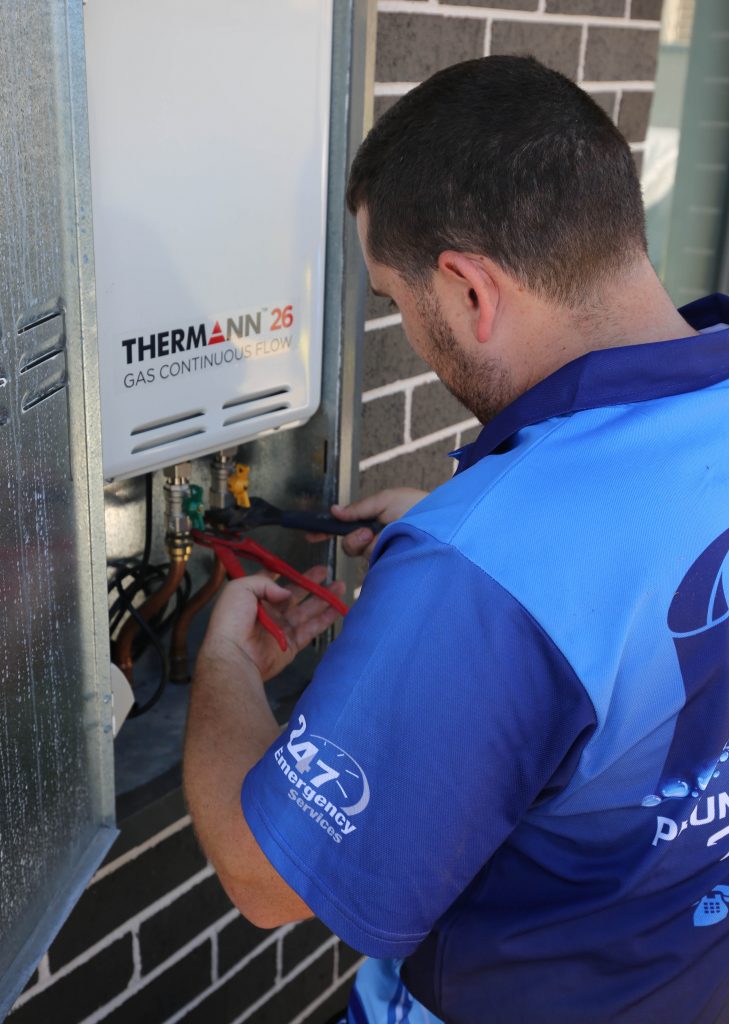
Landlords should know that hot water is an essential service in a rental home. If the hot water system fails, tenants may need urgent help because they rely on hot water for bathing, cleaning, washing dishes, and laundry.
Blacktown rental properties may have different hot water systems, including gas, electric, instant, heat pump, solar, or commercial units. Each system works differently. Each one also has different warning signs when something is wrong.
A storage hot water system keeps hot water in a tank. An instant system heats water as it flows through the unit. A heat pump uses heat from the surrounding air. A solar system uses roof collectors and may have a booster. A commercial system may serve a larger site, business, or multi-use property.
Warning signs of hot water problems
Tenants may report:
- No hot water at all
- Hot water that turns cold too quickly
- Water that is too hot or not hot enough
- Rust-coloured water from hot taps
- Leaks around the tank, valves, pipework, or overflow
- Rumbling, popping, hissing, or banging noises
- Pilot light problems on gas systems
- Error codes on instant systems
- Poor pressure from hot water taps
- A system that keeps tripping the power
A plumber can inspect the system and explain whether repair or replacement is the better path. Some faults, such as a valve, thermostat, heating element, pilot issue, or connection fault, may be repairable. Other problems, such as a badly leaking storage tank, may mean the system needs replacement.
Repair or replace?
A repair may make sense when:
- The system is not too old
- The fault is minor
- Parts are available
- The unit has been reliable before
- The tank is not leaking badly
Replacement may be more practical when:
- The tank is leaking
- The system has repeat breakdowns
- Repairs are becoming too frequent
- The unit no longer suits the number of occupants
- The system is unsafe or badly corroded
Landlords should keep records of hot water installation, servicing, repairs, and replacement. These records help with future decisions and make it easier for a plumber to understand the system’s history.
Local Blacktown Plumber can help with hot water supply, installation, servicing, and repairs across gas, electric, instant, heat pump, solar, and commercial hot water systems.
How can leak detection protect a rental investment?
Leak detection protects a rental investment by finding hidden water problems before they cause major damage. Not all leaks are easy to see. Some leaks happen behind walls, under floors, inside ceilings, below concrete, around showers, near pools, or underground.
Tenants may only notice signs after the leak has been active for some time. They might see a stain, smell dampness, or notice mould. They may not know where the water is coming from. This is why landlords should take early signs seriously.
A hidden leak can damage plasterboard, timber, flooring, paint, cabinetry, carpet, insulation, and nearby rooms. In units and townhouses, leaks can also affect neighbouring properties or shared areas. This can make repairs more complex.
Common hidden leak signs
Watch for:
- Wet patches with no clear source
- Mould or mildew in one area
- Warped timber, laminate, or vinyl flooring
- Swollen skirting boards or cupboards
- Bubbling, peeling, or stained paint
- Ceiling stains below bathrooms or laundries
- A water meter moving when no taps are on
- A hissing sound near walls, floors, or pipes
- Damp carpet near bathrooms or laundries
- Pool water dropping faster than expected
- Repeated moisture near shower screens or bath edges
Professional leak detection helps narrow down the source. A plumber may use moisture testing, pressure testing, acoustic tools, thermal checks, or targeted inspection methods. The goal is to find the leak accurately and repair the cause with less unnecessary damage.
What landlords should do when tenants report dampness
When a tenant reports dampness, landlords should not assume it is poor ventilation. Ventilation can contribute to mould, but a plumbing leak may also be present.
Ask the tenant:
- Where is the damp area?
- When did it first appear?
- Is it worse after showering, rain, or laundry use?
- Are there water stains nearby?
- Is there a smell?
- Can they send photos?
Then arrange a plumber if the signs suggest a leak. Acting early is usually better than waiting for the next routine inspection.
Local Blacktown Plumber offers leak detection for water, shower, pool, and gas leaks. This gives landlords one contact for several common leak concerns across rental homes, units, commercial spaces, and industrial properties in Blacktown.
How can landlords build a simple rental plumbing maintenance plan?
Landlords can build a simple rental plumbing maintenance plan by setting inspection points, keeping repair records, and using the same trusted plumber for ongoing work. The plan does not need to be complicated. It just needs to be consistent.
A good plan starts before the tenant moves in. Check taps, toilets, drains, showers, hot water, gas connections, visible pipework, and outdoor drainage. Fix known faults before handover. This helps reduce early complaints and creates a clearer starting point for the tenancy.
During the tenancy, tenants should be encouraged to report plumbing issues early. Make it clear that they should report slow drains, leaks, toilet faults, hot water changes, gas smells, damp areas, or unusual plumbing noises. Early reporting helps prevent bigger repairs.
Simple maintenance schedule for landlords
A practical plan may include:
Before a tenant moves in
- Check taps, toilets, showers, drains, and hot water
- Look under sinks and vanities for leaks
- Test laundry taps and washing machine connections
- Check visible gas appliances and water filtration systems
- Record any repairs completed
During routine inspections
- Ask about slow drains, odours, hot water, and leaks
- Look for water stains, swollen cupboards, mould, or damp smells
- Check outdoor drainage and stormwater grates
- Note any plumbing wear and arrange follow-up
After a tenant moves out
- Repeat the pre-tenancy plumbing check
- Repair damaged or worn fittings
- Clear drains if they are slow
- Service the hot water system if needed
- Update repair records
What records should landlords keep?
After each repair, record:
- Date the issue was reported
- Tenant’s description of the problem
- Photos or videos if provided
- Plumber’s findings
- Repair completed
- Parts replaced
- Invoice and warranty details
- Any follow-up advice
Good records help landlords track repeat problems. For example, if the same bathroom drain blocks three times, it may need a camera inspection. If the hot water system keeps failing, it may be time to plan replacement.
For commercial and industrial rentals, plumbing maintenance can be even more important. Plumbing faults may affect staff, customers, stock, machinery, bathrooms, kitchens, or site operations. Scheduled checks can reduce downtime and protect the property.
Why choose a local Blacktown plumber for rental property work?
A local Blacktown plumber is useful because rental property plumbing often needs fast response, clear communication, and practical local knowledge. Landlords and property managers need someone who can attend the property, speak with tenants when needed, explain the issue clearly, and complete the right repair.
Rental plumbing is not always as simple as a one-off repair for a homeowner. There may be a tenant, landlord, property manager, strata manager, or business owner involved. A good plumber understands this and communicates in a way that helps everyone know what happened and what happens next.
For example, after a blocked drain, the landlord may need to know whether the cause was tree roots, broken pipework, grease build-up, or foreign objects. After a hot water fault, they may need to know whether the system can be repaired or whether replacement should be planned. After a leak, they may need to know whether further drying, building repair, or follow-up inspection is needed.
What landlords should expect from a rental property plumber
A rental property plumber should be able to:
- Respond quickly to urgent plumbing issues
- Explain the likely cause of the problem
- Provide practical repair advice
- Work respectfully around tenants
- Handle common rental plumbing faults
- Offer emergency and scheduled plumbing support
- Help with repeat issues, not just quick fixes
- Give clear notes for property records
Local Blacktown Plumber can help with 24/7 emergency plumbing, general repairs and installations, tap repairs, toilet repairs, shower repairs, inspections and testing, blocked drain clearing, water jetting, CCTV drain inspections, tree root removal, hot water repairs, gas fitting, gas plumbing, gas leak detection, water leak detection, shower leak detection, pool leak detection, and water filtration.
For landlords, this wide service range is helpful because one rental property can have many plumbing needs over time. A blocked drain today may be followed by a hot water fault later, then a leaking shower or gas appliance issue after the next inspection.
Using one trusted plumber also improves property history. Over time, the plumber gets to know the site, past repairs, pipe layout, hot water system, and common weak points. This can make future decisions easier and more practical.
FAQ: Rental Property Plumbing in Blacktown
Who pays for plumbing repairs in a Blacktown rental property?
Landlords are generally responsible for keeping rental plumbing in reasonable working order, including water, drainage, toilets, showers, and hot water. Tenants should report faults quickly and avoid misuse. If a blockage or damage appears to be caused by tenant action, the landlord or agent may need a plumber’s findings before deciding responsibility.
Is a blocked toilet an urgent rental repair?
A blocked or overflowing toilet can be urgent, especially if it is the only toilet in the property. It affects hygiene and basic daily use. Landlords should arrange a plumber quickly to clear the blockage, prevent overflow damage, and check whether the cause is pipe damage, tree roots, or foreign objects.
How quickly should a landlord fix no hot water?
No hot water should be handled promptly because tenants need hot water for bathing, cleaning, and washing. The landlord or property manager should contact a plumber, keep the tenant updated, and arrange repair as soon as practical. The plumber can check whether the system needs servicing, parts, repair, or replacement.
Should landlords get plumbing checked before a new tenant moves in?
Yes. A pre-tenancy plumbing check helps find leaks, slow drains, toilet faults, weak water pressure, shower leaks, hot water issues, and worn fittings before the tenant moves in. It can reduce early complaints and gives the landlord clearer records about the property’s condition at the start of the lease.
Can a plumber help prove what caused a blocked drain?
Yes. A plumber can inspect the blockage and may use CCTV drain camera inspection to see inside the pipe. This can show tree roots, broken pipework, heavy build-up, or foreign objects. These findings help landlords and property managers decide the next step and keep better repair records.
Do rental properties need gas plumbing checks?
Gas appliances, gas lines, and gas hot water systems should only be handled by a qualified gas professional. If a tenant reports a gas smell, pilot light issue, or faulty gas appliance, landlords should act quickly. Gas fitting, gas appliance repairs, and gas leak detection are not safe DIY jobs.
Call Local Blacktown Plumber for rental property plumbing in Blacktown
If you manage a rental home, unit, townhouse, commercial property, or industrial site, do not wait for a small plumbing issue to become a tenant complaint or property damage problem. A trusted rental property plumber Blacktown landlords can contact quickly, like Local Blacktown Plumber, helps keep urgent repairs under control, routine maintenance organised, and tenants better supported.