Toilet Cistern Making Hissing Noises: What It Means for Your Valves
A toilet cistern (the tank on the back of your toilet) should be almost silent. So when you start hearing a steady “hissss”—especially when no one has flushed—it’s more than an irritation. It’s usually a sign your toilet is quietly wasting water or a valve is struggling to seal properly.
For many households, this starts as a “small sound” and turns into a “big bill.” A slow internal leak can run all day and all night, and you may not notice until your water usage spikes. In some cases, that hissing is also a warning sign of a bigger issue, like high water pressure, sediment in the line, or an early leak detection problem elsewhere in the home.
This pillar guide is written for an Australian audience and keeps things easy enough for an 8th grader to follow. We’ll break down what the hissing means, which valves are involved, what you can safely check yourself, and when it’s best to call a licensed plumber. And if you’re in Western Sydney and need help fast, Local Blacktown Plumber can handle this as part of your broader residential plumbing in Penrith needs—whether it’s a toilet repair, leak detection, drain issues, or hot water and gas plumbing.
Why your toilet cistern hisses (simple explanation)
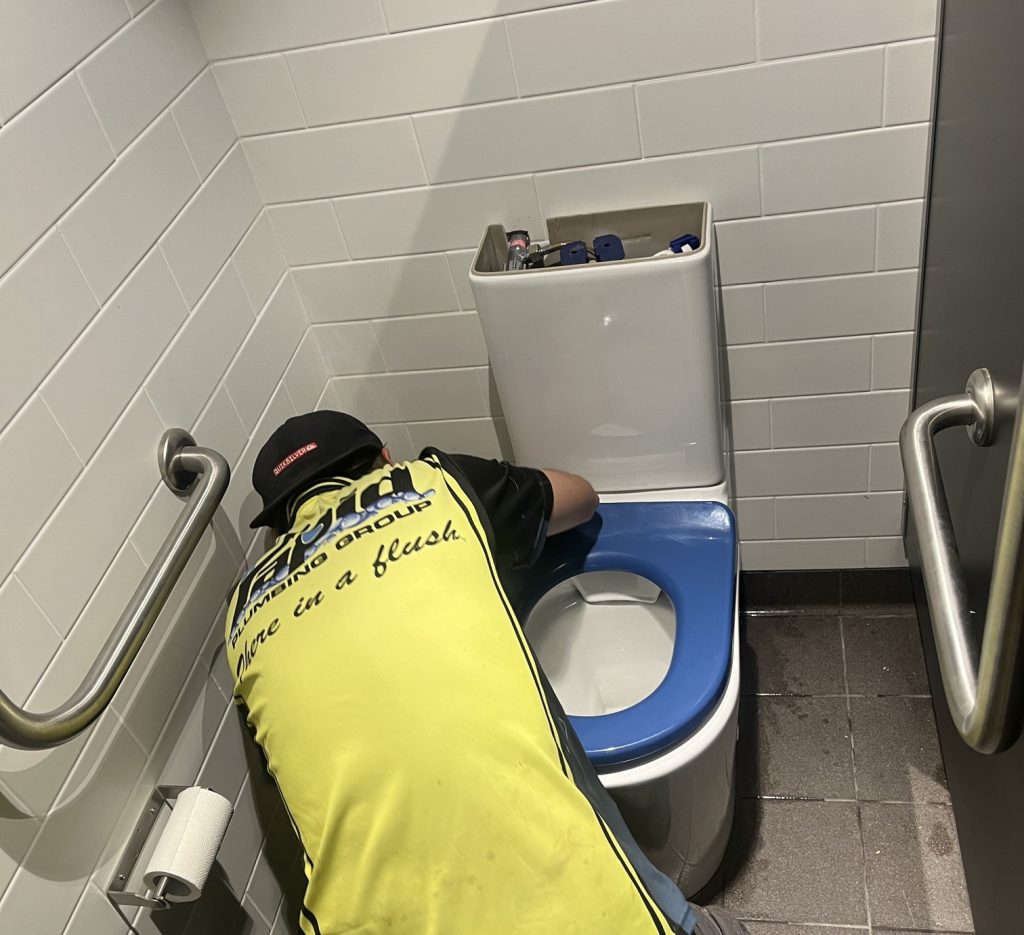
Your toilet cistern is like a mini water storage tank. After you flush, the tank refills and then it must stop at the right level. If it doesn’t stop, or if water is leaking out of the tank when it shouldn’t, the cistern keeps refilling—and that refilling often sounds like a hiss.
Here’s the simplest way to understand it:
- If water is escaping, the cistern level drops.
- When the level drops, the toilet thinks, “I need more water.”
- The inlet valve opens and lets water in.
- That incoming water can sound like a hiss—especially in modern, compact cisterns.
This is why a hissing toilet is often linked to valves and seals, not the actual bowl itself.
And here’s an important local plumbing note: in many homes across Western Sydney, toilets start hissing more often when there are issues like:
- Hard water or sediment affecting valve parts
- High water pressure wearing out washers and diaphragms faster
- Older plumbing lines that allow tiny debris to travel into fixtures
If you’ve had multiple plumbing problems (toilet, taps, shower leaks, or hot water issues), a hissing cistern can be part of a bigger “system” story—which is where a plumber’s inspection and testing can save you money long-term.
Related services Local Blacktown Plumber can help with: general plumbing inspections and testing, toilet repairs and installations, and leak detection (water and shower leaks).
Quick “is it serious?” checklist (and what it usually means)
Not all hissing is equally urgent, but it’s rarely “nothing.” Use this quick checklist to judge what you’re hearing:
✅ If the hiss is constant (minutes to hours)
This often means:
- the inlet (fill) valve isn’t shutting off properly, OR
- the flush valve seal is leaking, causing constant top-ups
Why it matters: constant refilling can waste a lot of water fast.
✅ If the hiss happens in short bursts (every few minutes)
This usually means:
- there’s a slow leak inside the cistern (often the flush valve seal),
- and the tank only refills when it drops enough to trigger the inlet valve
Why it matters: even “small” leaks add up over days and weeks.
✅ If you hear hissing AND see water running into the bowl
This strongly points to:
- a leaking flush valve/outlet valve seal
Why it matters: your toilet is acting like it’s “half flushing” all the time.
✅ If you also see water near the base of the toilet
This could mean:
- an external leak (pan collar, connection, crack, or faulty shut-off valve)
- and you should treat it as urgent
Why it matters: leaks can damage flooring and create mould.
✅ If you hear hissing with banging or vibration
This may involve:
- water pressure problems
- a failing inlet valve
- or even water hammer
Why it matters: water hammer can damage plumbing fittings, valves, and sometimes affect appliances like hot water systems.
Related services Local Blacktown Plumber can help with: emergency plumbing, leak detection, toilet repairs, inspections/testing, and diagnosing pressure-related plumbing problems.
Meet the parts: the valves that usually cause hissing
To fix a hissing toilet, you need to know the “usual suspects” inside the cistern. Most toilets have two main valve systems, plus a few supporting parts.
1) The inlet valve (fill valve)
This is the part that refills the cistern after you flush. It opens to let water in, and it must close tightly when the tank reaches the correct level.
If it fails or gets clogged, water keeps flowing and you get that hiss.
Common reasons inlet valves misbehave:
- worn-out diaphragm/washer
- sediment or grit caught inside the valve
- float level set too high or stuck
- pressure too high for the valve to handle properly
2) The outlet valve (flush valve)
This sits at the bottom of the cistern and releases water into the bowl when you flush.
If the seal is worn, water leaks into the bowl slowly and the cistern refills repeatedly—hissing each time it tops up.
3) The float (often built into modern inlet valves)
The float rises with the water and tells the inlet valve when to shut off.
If the float is:
- rubbing against the side,
- incorrectly adjusted,
- or not moving freely,
…the inlet valve may never fully shut off.
4) The overflow tube / overflow path
If the water level gets too high, it can drain through the overflow path into the bowl. This sometimes looks like “mystery running water,” and it often pairs with hissing.
5) The shut-off (isolation) valve near the toilet
This valve controls water supply to the toilet. If it’s worn, it can sometimes cause noise or leaks at the wall connection.
Related services Local Blacktown Plumber can help with: toilet repairs, general plumbing repairs and installations (including toilets), inspections and testing, and emergency plumbing if the toilet won’t stop running.
The most common cause: a leaking flush valve seal (and why it keeps refilling)
If your cistern is hissing and you notice water slowly running into the bowl, the most likely cause is a leaking flush valve seal.
What’s happening inside the tank
At the bottom of the cistern, there’s a rubber seal that should sit flat and watertight. Over time, that seal can:
- harden or crack
- warp from age
- collect grime, slime, or mineral build-up
- get debris trapped underneath it
When the seal doesn’t sit perfectly, water “sneaks” through into the bowl. The tank level drops, and the inlet valve opens to refill. That refill makes the hissing sound.
Why this problem is so common in real homes
A toilet flush seal is a high-use part. It opens and closes many times a day. Even in a “well cared for” home, seals naturally wear out. Add water quality, sediment, or pressure changes, and seals can fail sooner.
Food colouring test (easy and reliable)
This is one of the most useful DIY checks:
- Add a few drops of food colouring into the cistern water.
- Don’t flush.
- Wait 10–15 minutes.
- Look in the bowl.
If coloured water appears in the bowl, your cistern is leaking into the bowl—almost always through the flush valve seal.
Related services Local Blacktown Plumber can help with: toilet valve replacements, general plumbing repairs, leak detection if you suspect other hidden leaks, and inspections/testing for recurring toilet problems.
Another common cause: inlet valve not closing properly (fill valve issues)
If the inlet valve doesn’t shut off properly, it can let water keep entering the cistern even when the tank is full. This creates a steady hiss and may push water into the overflow.
Signs your inlet valve is the culprit
- The cistern keeps filling past the normal level
- Water runs into the bowl via the overflow path
- You hear constant hissing near the inlet side of the tank
- The sound changes when other taps run (pressure shifts)
Why inlet valves fail
Inlet valves usually fail due to:
- internal wear (diaphragm and washers)
- sediment buildup (tiny grit gets lodged inside)
- high water pressure
- float misalignment or incorrect height setting
If you notice other plumbing symptoms too—like noisy taps, vibrating pipes, or repeated washer failures—your home may have a pressure or sediment issue affecting multiple fixtures. A plumber can test pressure and recommend solutions as part of overall residential plumbing in Penrith support.
Related services Local Blacktown Plumber can help with: general plumbing inspections/testing, toilet repairs, and broader residential plumbing solutions.
What the hiss sound can tell you (sound clues that help diagnose the valve)
Not all hissing sounds are the same. The timing and “style” of the hiss can help pinpoint the fault.
Soft, steady hiss
Usually means:
- slow refill caused by a flush valve seal leak
Hiss that stops after a few seconds
Usually means:
- the tank level drops slightly, triggers a quick refill, then stops
- commonly a minor internal leak
Loud hiss with a sharp “spray” sound
Often suggests:
- inlet valve is struggling to control water flow
- internal valve part may be worn
Hissing plus rattling or vibration
Can suggest:
- pressure issues
- loose valve parts
- water hammer beginning to develop
If you’ve ever heard a loud bang when turning taps on/off, that’s a sign to have your plumbing pressure checked. It can affect toilets, taps, showers, and even hot water systems.
Related services Local Blacktown Plumber can help with: inspections and testing, pressure-related plumbing diagnostics, general plumbing repairs, and emergency plumbing if things escalate.
Can a hissing toilet waste a lot of water? (Yes—here’s why)

Absolutely. A hissing toilet is often a silent water waster because the leak is usually internal and easy to miss.
Even a slow leak that causes the tank to refill every few minutes can waste a significant amount of water each day. Over a month, that can mean:
- higher water bills,
- extra wear on the toilet valves,
- and a higher chance of a bigger failure later.
Also, constant refilling can put stress on your shut-off valve and connections—sometimes leading to external drips or slow leaks behind the toilet.
Related services Local Blacktown Plumber can help with: leak detection (water leaks), toilet repairs, and emergency plumbing if water is running nonstop.
Safe DIY checks you can do right now (without tools)
You can do several safe checks before calling a plumber. These steps don’t require specialist tools and can help you explain the problem clearly when you book a service.
1) Lift the cistern lid and observe
- Is water flowing continuously into the tank?
- Is the inlet valve area making the noise?
- Is the water level steady or slowly dropping?
2) Look for overflow behaviour
If the water level is too high, it may be draining down the overflow into the bowl. That often means an inlet valve or float issue.
3) Check the float movement
Make sure the float isn’t:
- stuck,
- rubbing against the side,
- or sitting too low.
4) Run the food colouring test
This is the best indicator of a flush valve leak.
5) Turn the shut-off valve slightly (if you know what you’re doing)
Sometimes reducing flow slightly can change the sound. If it changes drastically, it’s a clue that the inlet valve is involved. Don’t force the shut-off valve if it’s stiff—older valves can snap.
Related services Local Blacktown Plumber can help with: general plumbing repairs, toilet installations and repairs, and inspections/testing to prevent recurring issues.
When you should stop DIY and call a plumber (to avoid damage)
DIY checks are fine, but repairs can get tricky fast—especially because toilet cistern parts are plastic and can crack if tightened too hard.
Call a licensed plumber if:
- the toilet won’t stop filling
- you see water on the floor
- the cistern appears cracked
- the toilet is old and parts are brittle
- you hear banging pipes or suspect pressure issues
- you suspect the issue is linked to broader plumbing concerns
If you’re also dealing with blocked drains, slow drainage, or sewer smells, that’s a sign to get a full plumbing check. Toilets can sometimes act “weird” when there are drainage or venting problems, and that’s where services like CCTV camera inspections or blocked drain clearing might come into play (depending on symptoms).
Related services Local Blacktown Plumber can help with: 24/7 emergency plumbing, blocked drain clearing, CCTV drain inspections, leak detection, and general plumbing repairs.
What a plumber will usually do (step-by-step) + related services
When Local Blacktown Plumber attends a hissing toilet job, we don’t guess—we isolate the cause and fix the part that’s actually failing.
A typical visit can include:
1) Inspection and testing
We listen, check water level, check for overflow, and confirm whether the leak is internal or external.
2) Valve diagnosis
We identify if the issue is:
- flush valve seal leakage
- inlet valve not closing
- float misadjustment
- shut-off valve fault
- pressure-related issue
3) Replace or repair parts
Common repairs include:
- replacing flush valve seals
- replacing inlet valves
- adjusting float height
- replacing worn washers/diaphragms
4) Check for related household plumbing problems
If you’ve had repeated issues, we may recommend:
- checking water pressure
- inspecting for sediment issues
- testing other fixtures (taps, showers, hot water system connections)
5) Final performance check
We confirm:
- the cistern fills correctly
- the water stops at the right level
- the toilet isn’t leaking into the bowl
- no drips exist at connections
Related services Local Blacktown Plumber can help with: general plumbing repairs and installations (taps, toilets, showers), leak detection (water/shower/pool), and hot water system servicing if other issues are present.
How this connects to bigger residential plumbing in Penrith (topical authority context)
Even though the symptom is a toilet cistern hissing, plumbing problems often connect. If a home has:
- high water pressure,
- old valves,
- sediment in lines,
- water hammer,
- or hidden leaks,
…you can see repeat failures across toilets, taps, and showers.
That’s why homeowners often call us for a toilet issue, then discover related problems like:
- slow drains or recurring blockages (which may need water jetting or CCTV inspection)
- dripping taps or leaking toilet connectors
- shower leaks behind walls (which may need leak detection)
- hot water system pressure relief issues
Addressing the toilet is the first step—but if you want fewer future surprises, a broader residential plumbing in Penrith approach helps protect the whole home.
Related services Local Blacktown Plumber can help with: blocked drain clearing and repairs (water jetting, CCTV inspections, tree root removal), leak detection, and hot water system servicing/repairs.
Preventing hissing toilets in the future (practical advice)
Here are simple ways to reduce the chance your toilet starts hissing again:
Avoid cistern chemical tablets
Some drop-in cistern cleaners can damage rubber seals over time.
Fix minor hiss early
A small leak becomes a bigger problem the longer it runs.
Get water pressure checked
If you’ve had repeated valve failures, pressure could be the root cause.
Book routine inspections (especially for older homes)
A quick inspection can catch:
- slow leaks,
- worn valves,
- early signs of corrosion,
- and drain issues before they turn into emergencies.
Related services Local Blacktown Plumber can help with: inspections/testing, general plumbing maintenance, and emergency plumbing when needed.
Common questions (AEO-friendly quick answers)
Why is my toilet cistern making a hissing noise?
Because water is leaking past a valve or seal, causing the cistern to refill even when nobody flushed.
Is a hissing toilet an emergency?
Not always, but if the toilet won’t stop filling, you see water on the floor, or the bowl is constantly running, it’s urgent.
Which valve causes hissing most often?
The flush valve seal is the most common cause, followed by the inlet (fill) valve.
Can a plumber fix this quickly?
In many cases, yes—once the failing part is identified, replacing a seal or valve is usually straightforward.
How Local Blacktown Plumber Can Help You
If your toilet cistern is hissing, don’t keep topping up your water bill. Local Blacktown Plumber can diagnose the exact valve issue and fix it properly—without guesswork.
📞 Call Local Blacktown Plumber on 291583589
We can help with:
- Toilet cistern repairs (inlet valves, outlet/flush valves, seals, floats, and adjustments)
- 24/7 emergency plumbing (running toilets, leaks, overflow risks)
- General plumbing repairs and installations (taps, toilets, showers, inspections and testing)
- Leak detection (water leaks, shower leaks, pool leaks, and gas leak detection)
- Blocked drain clearing and repairs (water jetting, drain/sewer cleaning, CCTV camera inspections, tree root removal)
- Hot water system solutions (gas, electric, instant, heat pumps, solar, and commercial hot water systems—supply, install, service, repair)
- Gas fitting and gas plumbing (appliance installs, repairs, safety checks)
- Water filtration solutions (cleaner water for your home)
If you’re looking for reliable help with residential plumbing in Penrith, our team can support you with both urgent repairs and preventative plumbing checks—so your home stays quiet, efficient, and leak-free.