Toilet Flush Button Stuck: Quick Causes and When It Needs Replacement
A stuck toilet flush button is one of those “small” plumbing issues that can quickly turn into a big headache. One minute you’re rushing out the door, the next minute your toilet won’t flush—or worse, it keeps running and you can hear that constant refill sound in the background. In a lot of Australian homes, that steady running can silently waste a surprising amount of water, which means your next bill can jump even if you haven’t changed your routine.
Flush buttons are also more delicate than they look. They’re connected to moving parts inside the cistern (the tank) or behind the wall if you have a concealed system. If something is even slightly out of place—like the lid sitting crooked, a push rod set too long, or the valve sticking—your button can jam, sink down, and refuse to spring back up.
This pillar guide explains the quick causes of a stuck toilet flush button, what you can safely check at home, and the clear signs that the button or internal parts need replacement. It’s written for an Australian audience, in plain language (no confusing plumbing talk), and it’s also designed to support local searches like residential plumbing in Penrith—because toilets, drains, leaks, and water pressure issues often show up together in real homes.
Why a stuck flush button matters more than you think
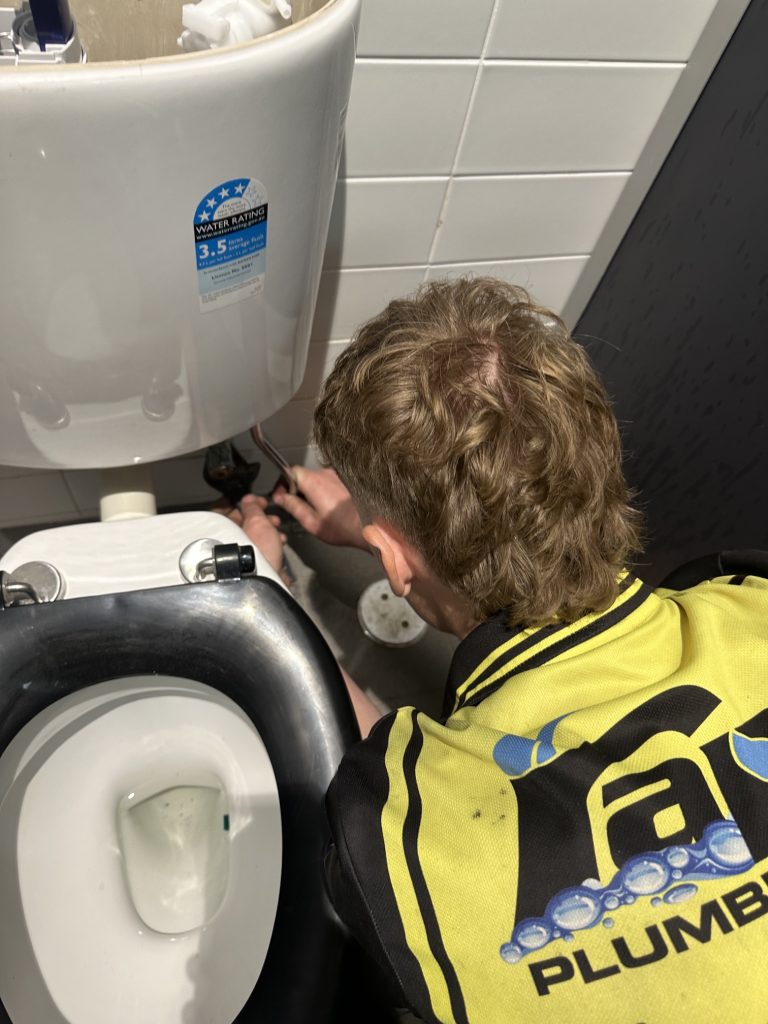
A flush button doesn’t just “push water.” It activates a mechanism that lifts a valve, releases water into the bowl, then resets so the cistern can refill and stop. When the button gets stuck, the system can’t reset properly—and that’s where the problems start.
Here’s what a stuck button can lead to:
- Constant running water: If the flush valve stays partially open, water keeps trickling into the bowl. That can waste water 24/7.
- Weak or incomplete flushes: If the button doesn’t lift the valve properly, you may need multiple flushes (which also wastes water).
- Bowl refilling noises at random times: This is a major clue that water is leaking through the valve even when nobody flushed.
- Early wear on cistern parts: Seals and valves wear out faster when they’re forced to operate incorrectly.
- Higher risk of blockages: A weak flush can leave paper behind, increasing the chances of clogs over time—especially in older homes.
How this connects to real plumbing services:
When we get calls for stuck flush buttons, it’s common for customers to also mention slow draining, gurgling, or toilet odours. That’s why Local Blacktown Plumber often checks the bigger picture too—like whether the toilet has a partial blockage, whether the drain line needs cleaning, or whether there’s a leak causing moisture around the bathroom. We can help with:
- General plumbing inspections and testing
- Blocked drain clearing using water jetting
- CCTV camera inspections for drains and sewers
- Leak detection (including hidden water leaks around bathrooms)
- Emergency repairs if the toilet is overflowing or won’t stop running
Quick answer: what usually causes a toilet flush button to stick?
Most stuck flush buttons fall into a few common causes. Think of it like a door that won’t close: sometimes it’s the handle, sometimes it’s the hinges, and sometimes the frame shifted.
The most common causes include:
- Cistern lid or flush plate misalignment (button rubbing or pressed at an angle)
- Build-up around the button (grime, soap, hard water deposits)
- Push rods adjusted incorrectly (common in dual-flush and concealed systems)
- Flush valve not resetting properly (stiff seals, worn internal parts)
- Concealed cistern plate problems (clips, rods, or alignment behind the wall)
- Aging parts (brittle plastic, weak springs, worn-out button assemblies)
Service link:
If we attend a job and the flush button issue is caused by internal wear, we can replace the right components on the spot (where possible), and we’ll also check whether your toilet is experiencing related issues like:
- A slow fill (inlet valve problem)
- Water hammer (pressure-related issues)
- A hidden leak that needs leak detection
- A drain problem that needs jetting or camera inspection
Types of toilet flush buttons in Australian homes
Not all toilets are built the same, and the type you have changes what’s likely to go wrong.
1) Top-mounted cistern button (very common)
This is the classic setup: buttons sit on top of the tank lid. Often dual-flush.
Common problems:
- Lid shifts slightly after cleaning
- Push rods are not aligned
- Build-up around the button housing
Easy access: Yes—usually easiest to inspect and fix.
2) Front-mounted cistern button
Buttons sit on the front of the cistern, but the inner parts work similarly.
Common problems:
- Buttons rubbing due to a slightly warped front panel
- Internal mechanism wearing over time
3) Concealed cistern flush plate (in-wall systems)
Flush plate is on the wall; mechanism sits inside the wall cavity.
Common problems:
- Rods too tight or misadjusted
- Clips cracked or plate not seated properly
- Internal valve not returning smoothly
Important note: Concealed systems often need careful handling. Forcing the plate can break clips or damage rods.
4) Commercial / high-use toilets
In offices, shops, cafés, and industrial sites, toilets get more presses per day, meaning faster wear.
Common problems:
- Internal seals wearing quickly
- Buttons loosening over time
- Higher chance of hidden leaks
Service link:
Local Blacktown Plumber provides residential, commercial, and industrial plumbing, which means we’re equipped to handle everything from a family home cistern button to a high-traffic commercial toilet that needs heavier-duty parts and reliable repairs.
The safest first checks you can do at home
Before you touch anything, remember this: don’t force the button down harder. If you snap a rod or crack a housing, a simple repair can become a replacement job.
Step 1: Listen for running water
After you flush, listen closely:
- A hissing sound can mean the cistern is refilling repeatedly
- A constant trickle into the bowl usually means the flush valve isn’t sealing
Step 2: Turn off the isolation tap if the toilet won’t stop running
Most toilets have a small tap near the base. Turn it clockwise.
This stops water waste while you decide what to do next.
Step 3: Check if the lid or plate is sitting correctly
If your system is top-mounted:
- Make sure the lid is flat and not shifted
- A tiny tilt can cause rubbing and sticking
If concealed:
- Check if the flush plate feels loose or uneven
Step 4: Watch for extra warning signs
If your toilet also shows these symptoms, the issue may be bigger than the button:
- Slow flush
- Gurgling noises
- Water level rising too high
- Bad smells from the drain
Service link:
If you’re seeing those extra signs, that’s when we may recommend drain cleaning, water jetting, or a CCTV camera inspection to confirm whether you have a partial blockage, tree root intrusion, or a sewer line issue.
Cause #1: The cistern lid is slightly out of place
This is one of the easiest causes to fix—and also one of the most overlooked.
Why it happens
- People remove the lid for cleaning and put it back slightly off-centre
- Dual-flush mechanisms can shift if the lid isn’t seated flat
- Older lids can warp slightly over time
Signs
- Button sticks only sometimes
- It works better if pressed from the side
- It started happening after the bathroom was cleaned
What you can do
- Lift the lid carefully
- Re-seat it evenly so it sits flat
- Make sure the button aligns properly with the opening
If the lid is cracked or warped, it may keep causing problems.
Service link:
If reseating doesn’t solve it, we can inspect the button housing, rods, and valve assembly as part of a general plumbing inspection and replace worn parts before they cause leaks or constant running.
Cause #2: Dirt, soap, or mineral build-up is creating friction
Bathrooms have moisture, dust, and cleaning residue. Over time, that can create “stickiness” around the button.
Signs
- Button feels gritty
- It sticks more in hot weather (plastic expands slightly)
- You see white chalky build-up (mineral deposits)
What you can do safely
- Wipe around the button with a damp cloth
- Avoid pouring harsh chemicals into the button opening
- Don’t spray strong cleaners directly into the mechanism
If your home has mineral-heavy water, you can get repeated build-up.
Service link:
If build-up is constant, we can also recommend water filtration solutions that help reduce sediment and scaling in plumbing fixtures—especially in homes that experience ongoing tap, shower, and toilet maintenance issues.
Cause #3: The push rods are adjusted wrong (dual-flush buttons)
Many modern toilets use two buttons and push rods that connect to the flush valve. If rods are set too long, the button may never fully “release.”
Signs
- Button sinks and stays down
- One flush option works, the other sticks
- Toilet flush feels weak or inconsistent
Why this happens
- Rods shift slightly during lid removal
- Previous repairs didn’t adjust clearance properly
- Non-matching replacement parts were installed
Service link:
This is a common repair we do during general plumbing repairs and installations. We’ll adjust rods properly, check valve reset, and test multiple flush cycles. If the system is worn, we can replace the right parts so it works smoothly long-term.
Cause #4: The flush valve is not resetting (internal parts issue)
Sometimes the button is fine, but the flush valve inside the cistern is sticking.
Common reasons
- Worn rubber seals
- Debris caught under the valve
- Aged valve tower or cracked component
Signs
- Water keeps running after flush
- You hear refill noise long after flushing
- Trickling into bowl continues even when the button returns
Service link:
Local Blacktown Plumber can replace flush valve seals, repair running toilets, and confirm there’s no hidden leak. If the bathroom shows moisture or mould signs, we may also recommend leak detection to rule out hidden water issues behind walls or around the toilet base.
Cause #5: Concealed cistern flush plate problems (in-wall systems)
Concealed cisterns are stylish but more complex.
Common issues
- Plate clips mis-seated
- Rods too tight
- Internal actuator jammed
Why you should be careful
Flush plates can break if forced. Once clips break, plates sit loose and misalign permanently.
Service link:
For concealed systems, it’s best to call a plumber. We handle concealed toilet repairs as part of our residential and commercial plumbing service, and we can also address related issues like:
- Hidden leaks behind walls (leak detection)
- Bathroom plumbing repairs (taps, showers, toilets)
- Emergency call-outs if the toilet overflows
Cause #6: Age, wear, or cheap plastic parts (button needs replacement)
If your toilet is older or heavily used, the button mechanism can wear out.
Signs replacement is likely needed
- Loose or wobbly button
- Button sticks more often over time
- Plastic is cracked, brittle, or discoloured
- Springs don’t bounce back properly
- Adjustments and cleaning don’t help
Service link:
We can replace button assemblies, flush valves, inlet valves, and other cistern parts—and test the system properly afterward so you don’t get repeat issues.
When it’s a repair vs when it needs replacement
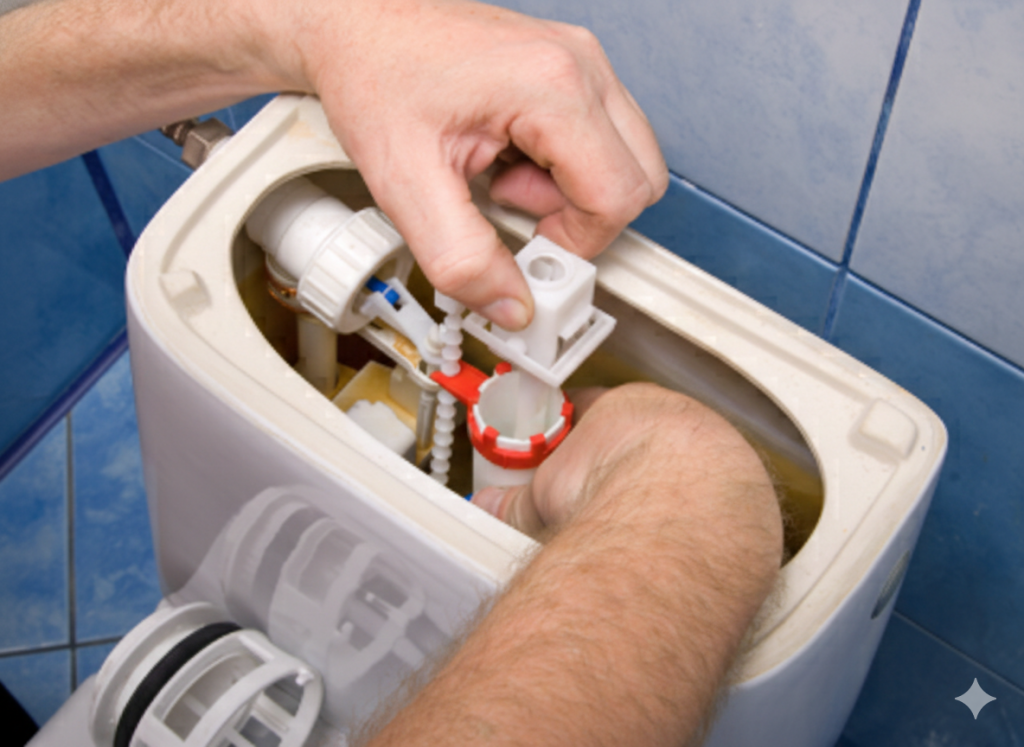
Usually a repair if:
- Lid/plate is misaligned
- Cleaning improves it
- Rod adjustment fixes it
- No constant running water
Usually replacement time if:
- Button assembly is cracked or worn
- Toilet runs constantly
- Valve doesn’t reset properly
- Concealed system parts are damaged
Service link:
We’ll always aim for the most cost-effective fix first. But if the internal parts are worn, replacing them early can prevent bigger problems like leaks, overflow, and costly water bills.
What happens if you ignore a stuck flush button?
Ignoring it can lead to:
- Higher water bills
- Ongoing leaks into the bowl
- Faster wear of inlet and flush valves
- Higher risk of toilet blockages due to weak flushing
If your toilet is also slow to drain or gurgling, that could mean a drain issue.
Service link:
We can clear blockages using water jetting, check drains with CCTV camera inspections, and remove tree roots where needed—especially if multiple fixtures (toilet, shower, sink) are acting up at the same time.
Quick troubleshooting guide (safe steps only)
- Re-seat the cistern lid / flush plate
- Clean around the button
- Test button angle sensitivity
- Listen for running water
- Turn off isolation tap if it won’t stop
- Call a plumber if concealed, running, or worn parts
Common related problems your plumber may check at the same time
When we attend a stuck flush button job, we often check:
- Drain performance (slow flush can mean partial blockage)
- Toilet base leaks
- Water pressure issues
- Running cistern components
- Signs of hidden moisture (leak detection)
- Sewer line issues if multiple toilets are slow (CCTV inspection + jetting)
- Tree root intrusion in sewers (root removal)
This is how you avoid repeat call-outs: fix the cause, not just the symptom.
How Local Blacktown Plumber Can Help You
If your toilet flush button is stuck, stop pressing it and hoping it will fix itself—especially if the toilet is running, leaking, or connected to a concealed cistern. At Local Blacktown Plumber, we offer reliable plumbing services for residential, commercial, and industrial properties across the area. We pride ourselves on fast response times and durable, effective repairs.
📞 Call Local Blacktown Plumber for:
-
24/7 emergency plumbing (including running toilets, leaks, overflows)
-
Toilet flush button repairs and replacements (dual-flush, standard, concealed)
-
Cistern repairs (flush valve seals, inlet valves, fixing running toilets)
-
General plumbing repairs and installations (taps, toilets, showers, inspections)
-
Blocked drain clearing and repairs
-
Water jetting
-
Drain and sewer cleaning
-
CCTV camera inspections
-
Tree root removal
-
Leak detection (water, shower, pool, gas)
-
Hot water system solutions (gas, electric, instant, heat pumps, solar, commercial)
-
Gas fitting and plumbing (appliance installs, repairs, gas leak detection)
-
Water filtration solutions (enhancing water quality and reducing sediment build-up)
No matter if it’s a simple stuck button or a more complex cistern issue that won’t reset, we’ll pinpoint the root cause and restore your toilet to full functionality—without the guesswork. Call 291583589 today!