Toilet Water Rising Too High: What It Indicates About Your Drain Line
If your toilet water rises too high after you flush, it’s your home’s way of saying: something isn’t flowing the way it should. It can be scary because it feels like you’re seconds away from an overflow — and honestly, sometimes you are. But the good news is that this symptom is usually a clear clue that helps a plumber pinpoint what’s happening inside your drain line.
In most Australian homes, a toilet flush depends on a smooth, fast pathway: water pushes waste through the toilet trap, into the drain line, and out to the sewer connection. When that pathway narrows or blocks, the bowl becomes the “pressure point,” and you see the water rise higher than normal. Sometimes it drains slowly after a few seconds; other times it stays high and threatens to spill over the rim.
For households in and around Penrith and Western Sydney, this is a common call-out because drain lines can be affected by everything from day-to-day build-up (toilet paper, wipes, scale) to larger issues like tree root intrusion, older pipework, or a developing blockage in the main sewer line. If you catch it early, you can often avoid bigger damage, foul smells, and costly repairs.
In this pillar guide, we’ll walk you through what toilet water rising too high really means, the most common causes, what you should do immediately, and how a licensed plumber diagnoses and fixes the problem properly using real-world professional services like CCTV drain inspections, high-pressure water jetting, drain/sewer cleaning, repairs, and leak detection.
What “Toilet Water Rising Too High” Usually Means
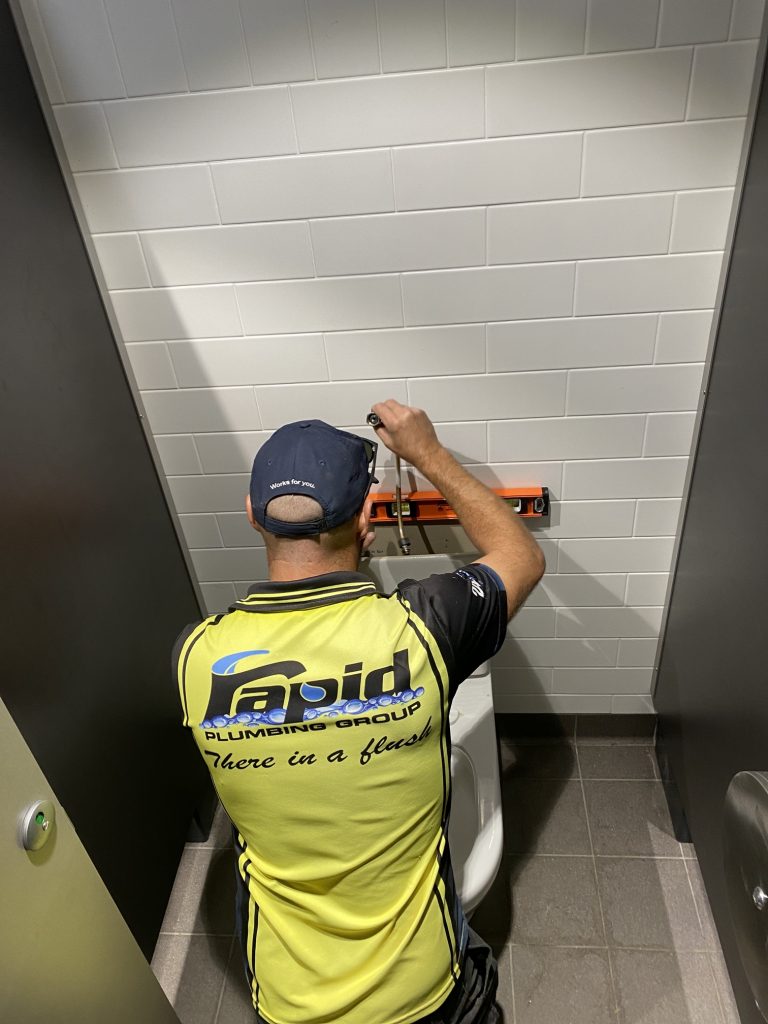
A toilet is designed to do two things quickly: move waste away and reset to a normal water level. During a flush, the bowl water rises briefly as it swirls, then it should drop as the drain line pulls it away. If the water rises higher than usual and takes longer to drain, that’s usually a sign the water is hitting resistance.
Most of the time, toilet water rising too high indicates a partial blockage somewhere in the drainage path. That blockage can be close (inside the toilet trap or the short pipe behind the toilet), or further away (in the main drain line that connects multiple fixtures).
Think of it like trying to pour water through a straw that’s pinched. Water still moves, but slowly — and it “backs up” first. In plumbing terms, the drain line can’t accept the flush volume fast enough, so the bowl temporarily becomes a holding area.
Why this matters for your home
Even if the toilet “eventually” drains, a partial blockage often gets worse over time. It traps more debris, catches toilet paper, and can become a complete blockage at the worst time (overnight, weekend, when guests are over).
This is why a good plumber doesn’t just clear the symptom — they check the line properly. At Local Blacktown Plumber, we often pair blocked drain clearing with CCTV camera inspection to confirm why it happened and reduce the risk of repeat blockages.
Why This Is a Drain Line Issue (Not Just the Toilet)
It’s easy to assume the toilet itself is faulty, but toilets don’t usually “malfunction” in a way that makes bowl water rise too high. A faulty cistern might run continuously, or a worn seal might cause leaking — but rising bowl water is usually the drain struggling, not the toilet.
Where the real problem often sits
When toilet water rises too high, the restriction is typically in one of these areas:
- The toilet trap (S-bend) inside the toilet
- The pan connector or outlet pipe behind the toilet
- The branch drain line serving the bathroom
- The main drain line running under the house or yard
- The sewer line heading toward the property’s connection point
If the problem is further down the line, you may also notice issues in other fixtures because they share the same drainage pathway. That’s why plumbers ask questions like: “Is the shower draining slowly too?” or “Any gurgling when the sink runs?”
Related services that matter here
Because the cause is often beyond the toilet bowl, professional services that relate directly to this problem include:
- Blocked drain clearing and repairs
- Drain and sewer cleaning
- CCTV drain camera inspections
- High-pressure water jetting
- Inspections and testing of plumbing systems to check flow performance
- Leak detection (water and sewer-related) if there’s evidence of damaged pipes or ongoing moisture
In many Penrith-area homes, we see blockages linked to long pipe runs, older pipe materials, and tree roots — which requires more than a basic plunge to fix properly.
The Most Common Causes of a Toilet That Fills Too High When Flushed
Let’s break down the most common causes from simplest to more serious — and what each one tends to look like in real life.
1) Too much toilet paper (or “flushable” wipes)
Toilet paper is designed to break down, but in large clumps it can still cause a restriction — especially in older pipes or low-flow systems. Wipes are a bigger problem. Even when marketed as “flushable,” wipes don’t break down like toilet paper. They can snag on joints and create a net that catches other debris.
What you might notice:
- Water rises high, then drains slowly
- The problem repeats more often over a few days
- The toilet needs plunging more than once
How we fix it (real services):
- Blocked drain clearing to remove the blockage
- Drain and sewer cleaning to restore smooth flow
- If wipes are suspected further down, CCTV inspection to confirm and prevent recurrence
2) Something stuck in the toilet trap
Kids’ toys, bottle caps, air freshener clips, cotton buds — once an object lodges in the trap, it can partially block flow. Sometimes it acts like a “gate” that moves slightly, causing on-and-off symptoms.
What you might notice:
- The issue starts suddenly after one flush
- Plunging might not help much
- Water rises sharply and drains very slowly
How we fix it (real services):
- Safe removal methods to avoid cracking the toilet
- Inspections and testing to confirm normal drainage after removal
- If the object travelled deeper, CCTV camera inspection to locate it in the drain line
3) Build-up inside the drain line (sludge, scale, soap scum)
Even if you flush the “right” things, drains can slowly narrow over time. Minerals in water can create scale. Waste can leave residue. In some homes, the drain line effectively becomes smaller inside.
What you might notice:
- The toilet rises high more often over weeks/months
- Slower drainage in nearby fixtures
- Occasional smells from drains
How we fix it (real services):
- High-pressure water jetting to clean pipe walls properly
- Drain and sewer cleaning to remove build-up fully
- CCTV inspection to confirm the line is clean and check for damaged sections
4) Tree roots in the sewer line
This is one of the biggest repeat offenders in many Western Sydney suburbs. Roots look for moisture and can enter through tiny cracks or joints. Once inside, they grow and catch debris like toilet paper — creating recurring blockages.
What you might notice:
- Blockages that “come back” after temporary fixes
- Gurgling sounds, slow drains, or backups in wet weather
- The toilet works one day, struggles the next
How we fix it (real services):
- CCTV drain camera inspection to confirm root intrusion and location
- High-pressure water jetting (root cutting) to clear roots and restore flow
- If pipe damage is present, blocked drain repairs to address the cause
- Inspections and testing after clearing to ensure proper flow is restored
5) A blocked main sewer line (multiple fixtures affected)
If the main line is restricted, the toilet becomes one of the first fixtures to show signs — because it uses a large volume of water quickly. You might also see shower or floor drain issues.
What you might notice:
- Shower drains slowly or backs up
- Gully trap outside looks wet or overflowing
- More than one drain is sluggish at once
How we fix it (real services):
- Emergency blocked drain clearing
- Drain and sewer cleaning to restore full system flow
- CCTV inspection to locate and diagnose the mainline blockage
- Leak detection if we suspect cracked or collapsed sections causing repeated backups
6) Venting issues (less common, but possible)
Plumbing systems need airflow. If vents are blocked or poorly designed, air pressure can slow drainage or cause gurgling. While this is less common than a blockage, it’s still something a professional checks.
What you might notice:
- Gurgling noises even when water seems to drain
- Toilet bowl levels fluctuate strangely
- Slow drain performance without a clear clog pattern
How we fix it (real services):
- Inspections and testing to check venting and drainage performance
- If needed, recommendations for repairs or modifications (depending on property setup)
What the Water Level Pattern Can Tell You
Your toilet’s water behaviour can give strong clues about what kind of blockage you’re dealing with. This helps you decide whether it’s a DIY plunger job or a “call the plumber now” situation.
If the water rises high then slowly drains
This usually points to a partial blockage. Water is still passing, just not fast enough. This is the best time to act, because the line might still be cleared without major backup.
Service tie-in: This is where drain cleaning and high-pressure jetting can restore full flow before the blockage becomes severe.
If the water rises and stays high (or overflows)
This suggests a severe blockage close by or a major restriction further down. Continuing to use the toilet can flood the bathroom and spread contaminated water.
Service tie-in: This often requires 24/7 emergency plumbing and rapid blocked drain clearing to prevent property damage.
If the toilet gurgles when other drains run
That’s often a sign air is being forced back through the toilet because the main line is restricted.
Service tie-in: A CCTV camera inspection helps identify whether the main drain is restricted by roots, build-up, or pipe damage.
If dirty water appears in the shower or floor drain
This can signal a sewer backup, which is urgent.
Service tie-in: This is a “call now” scenario for emergency plumbing, sewer cleaning, and possibly leak detection or repairs if pipe damage is involved.
What You Should Do Immediately (Before It Overflows)
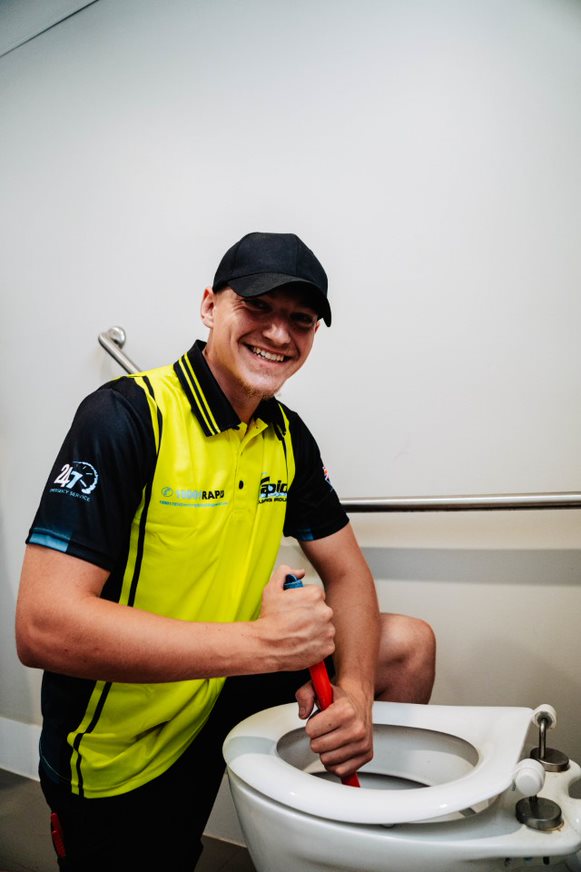
When toilet water rises too high, your first goal is preventing overflow. Your second goal is avoiding actions that make the blockage worse.
Step 1: Stop flushing
One extra flush can push a borderline blockage into a full overflow.
Step 2: Turn off the toilet’s isolation valve if needed
There’s usually a small tap behind the toilet. Turn it clockwise to stop water feeding into the cistern. This gives you control if the toilet tries to refill and overflow.
Step 3: Check nearby drains (quick clue)
Run water briefly in the bathroom sink or shower (only a little). If those drains are slow too, it’s more likely the blockage is beyond the toilet, in the shared drain line.
Step 4: Use a toilet plunger correctly (for minor blockages)
If it’s likely a paper-based clog close to the toilet:
- Use a proper toilet plunger with a flange
- Make sure the rubber cup is sealed under water
- Start with a gentle push to seal, then use firm plunges
- Try 10–15 plunges, then wait
If the water level drops and drains faster, you may have cleared the near blockage.
Step 5: If it doesn’t improve, stop and call a plumber
If plunging doesn’t help, you’re likely dealing with a deeper blockage that needs professional clearing.
Service tie-in: This is exactly where blocked drain clearing, jetting, and CCTV inspection save you time and prevent repeat problems.
What Not to Do (Mistakes That Make Toilet Blockages Worse)
A lot of “quick fixes” make the problem harder (or more expensive) to solve.
Don’t keep flushing to test it
Testing is how many bathrooms end up flooded.
Don’t pour boiling water into the toilet
Ceramic can crack due to sudden heat changes.
Don’t use harsh chemical drain cleaners
They rarely dissolve wipes, roots, or solid objects, and they can create safety hazards for plumbers who have to work in those lines.
Don’t force random tools down the toilet
Wire hangers, sticks, or improvised drain snakes can scratch the bowl, damage seals, or push the blockage deeper.
Service tie-in: Professional plumbers use safe tools and methods — including camera inspections and high-pressure jetting — to clear blockages thoroughly without damaging your fixtures.
When a Rising Toilet Becomes a Plumbing Emergency
Call for urgent help if you see:
- Toilet water that won’t go down
- Overflowing or near-overflow conditions
- Sewage smells or dirty water backing up
- Multiple fixtures draining slowly at once
- Water coming up through the shower, floor waste, or gully trap
In these situations, it’s not just a “toilet issue.” It’s often a main sewer blockage — and it can affect the whole home.
Service tie-in: Local Blacktown Plumber provides 24/7 emergency plumbing, plus rapid blocked drain clearing and sewer cleaning to stabilise the situation fast.
How Plumbers Diagnose the Real Cause (Without Guesswork)
A proper fix depends on knowing where the blockage is and what’s causing it. Guessing wastes time and money.
CCTV drain camera inspections
A CCTV camera lets us see inside the drain line in real time. It helps identify:
- Tree roots and how severe they are
- Wipes and debris build-up
- Cracked, collapsed, or offset pipes
- The exact location of the restriction
This matters because clearing a drain without confirming the cause can lead to repeat blockages. Camera inspections help us do it properly the first time.
High-pressure water jetting
Jetting isn’t just about pushing through a clog — it cleans the inside walls of the pipe. It removes:
- Sludge and scale build-up
- Grease and debris in shared lines
- Root masses (depending on severity)
- Sediment and mineral deposits
For households with recurring blocked drains, jetting is often the best long-term solution because it restores proper pipe diameter and flow.
Drain and sewer cleaning
Sometimes the line needs a full clean-out, especially if it’s a main sewer line issue. Professional sewer cleaning reduces:
- Repeat blockages
- Odours caused by residue build-up
- Slow drainage across multiple fixtures
Repairs when pipes are damaged
If the CCTV inspection shows structural issues — like cracks, breaks, or collapsed sections — clearing the blockage is only a short-term fix. Proper blocked drain repairs prevent the problem from coming back.
Leak detection (when needed)
If there’s evidence of ongoing moisture, sinkholes, or unexplained wet patches, leak detection may be needed to locate hidden breaks or leaks in water and drainage lines.
Preventing Toilet Drain Problems in Australian Homes
Prevention is much easier than an emergency call-out.
Flush only what should be flushed
Toilet paper and human waste only. That’s the rule.
Be careful with “flushable” products
Even if they flush, they can still block the line later.
Watch for early warning signs
Call early if you notice:
- Frequent plunging
- Slow drain performance
- Gurgling sounds
- Bad smells from drains
Consider preventative inspections for older homes
If your property has large trees or older pipework, a CCTV drain inspection can catch root intrusion or pipe damage before it turns into a full backup.
Keep your plumbing system in good shape overall
General plumbing maintenance matters too. If toilets, taps, and showers have issues, it can affect water use patterns and expose hidden drain weaknesses. Local Blacktown Plumber also handles general plumbing repairs and installations, including inspections and testing.
How This Relates to Residential Plumbing in Penrith
For homeowners looking for trusted residential plumbing in Penrith, toilet water rising too high is one of the most important “early warning” symptoms to take seriously. In many Penrith-area homes, we commonly see:
- Partial drain blockages that slowly worsen
- Root intrusion in older sewer lines
- Pipe joints that shift over time
- Drain build-up that narrows flow capacity
The main point is: your toilet is often the first fixture to show you that the drain line is struggling. Fixing it early reduces the chance of property damage and keeps your plumbing reliable.
FAQs: Toilet Water Rising Too High
Why does my toilet water rise high but eventually drains?
That usually means a partial blockage. Water can still pass, but slowly, so it backs up into the bowl first.
Can plunging damage my toilet?
Normal plunging won’t damage a toilet if done correctly. But aggressive force or using the wrong tools can crack porcelain or worsen a deep blockage.
Why do I smell sewer odour when the toilet acts up?
A blockage can trap waste in the line and slow airflow, allowing odours to linger. Sewer smells can also indicate a deeper issue that needs inspection.
Is this more common in older homes?
Yes. Older pipe materials, shifting joints, and tree root intrusion can increase the likelihood of recurring drain issues.
Call Local Blacktown Plumber for Fast Help in Penrith
If your toilet water rises too high when you flush, don’t wait until it becomes an overflow or a sewer backup. A partial drain restriction can quickly turn into a full blockage — and the longer you leave it, the higher the risk of damage, smells, and messy clean-ups.
Local Blacktown Plumber delivers expert residential plumbing in Penrith, plus dependable support for commercial and industrial plumbing needs. Whether you need quick help today or a proper diagnosis to stop recurring blockages, our team has the tools and experience to get it sorted.
Our related plumbing services include:
- 24/7 emergency plumbing for overflowing toilets and urgent drain backups
- Blocked drain clearing and repairs, including stubborn recurring blockages
- High-pressure water jetting to clean and restore full flow in drain lines
- Drain and sewer cleaning for mainline restrictions and system-wide slow drains
- CCTV drain camera inspections to locate roots, debris, and pipe damage accurately
- General plumbing repairs and installations (toilets, taps, showers, inspections and testing)
- Leak detection (water, shower, pool, and gas) when hidden leaks or pipe damage are suspected
- Gas fitting and gas plumbing, including appliance installs, repairs, and gas leak detection
- Hot water system supply, installation, servicing, and repairs (gas, electric, instant, heat pumps, solar, and commercial hot water)
- Water filtration solutions for cleaner, safer drinking water in your home
Book now
Call Local Blacktown Plumber on 291583589 to organise a drain inspection or urgent repair. We’ll identify what’s causing the rising toilet water, clear the blockage properly, and help prevent it from returning — so your bathroom stays safe, clean, and stress-free.