Water Pressure Drops Only in the Shower: What’s Likely Causing It
When your shower starts strong but suddenly turns weak, it’s more than just annoying—it can be a sign that something in your plumbing system isn’t working the way it should. A lot of Aussie homeowners assume it’s “just the shower head,” but the truth is: pressure drops in the shower can come from several places, including the mixer, pipework, valves, hot water system, or even a hidden leak.
This guide explains the most likely causes in plain English, shows you safe checks you can do at home, and helps you understand when you should call a licensed plumber. We’ll also connect the issue to the bigger picture of residential plumbing in Penrith, because shower pressure problems often involve the same home plumbing systems that affect taps, toilets, hot water, and water efficiency.
Why this matters: A shower pressure drop that starts small can become a bigger plumbing issue if it’s caused by a failing valve, a leaking pipe, or sediment buildup in your hot water system.
Fast Answer: Why Does My Shower Water Pressure Drop?
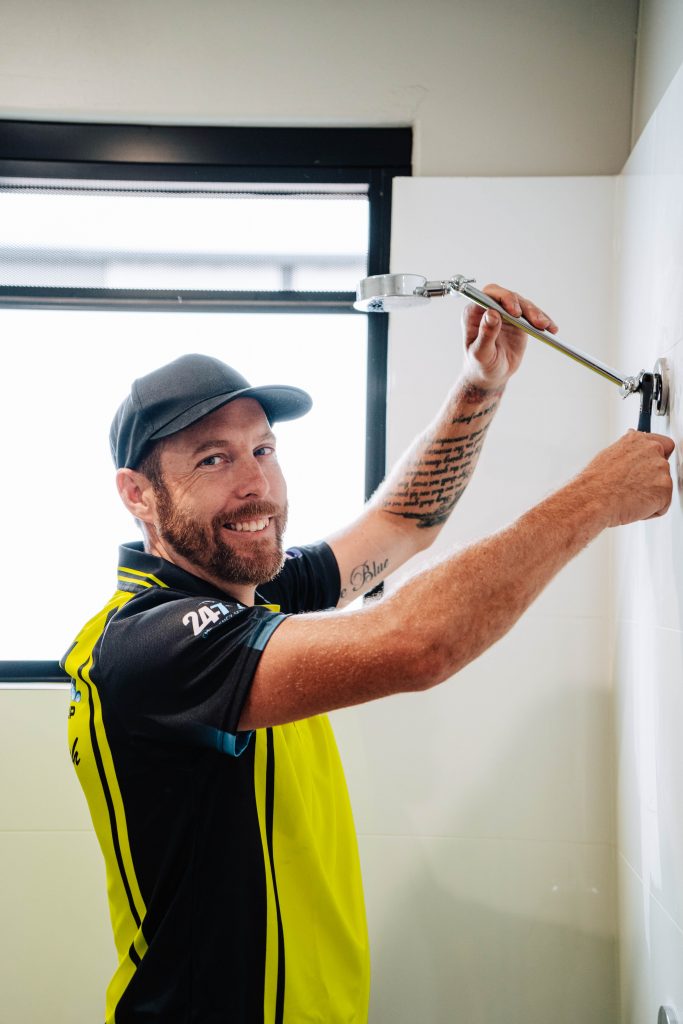
Most shower pressure drops happen because water can’t flow freely through part of the shower system. Think of your plumbing like a straw—if something narrows the straw (blockage, scale, worn parts), less water comes out.
Here are the most common causes:
- Blocked shower head from mineral buildup or grime
- Blocked hose or flow restrictor from grit and debris
- Worn mixer cartridge that can’t regulate water properly anymore
- Hot water system restriction (especially if hot pressure drops)
- Tempering valve issues that reduce hot water flow to bathrooms
- Pressure-limiting valve problems affecting the home’s overall pressure
- Hidden leak under the house, behind walls, or under concrete
- Too many fixtures running at once causing “pressure competition”
- Old or corroded pipes restricting flow
In real plumbing jobs, we usually solve this by doing a fast pressure check, inspecting the shower fitting, then testing the hot/cold lines and any valves involved. Because Local Blacktown Plumber handles everything from general plumbing repairs to leak detection and hot water systems, we can usually diagnose it in one visit—without guessing.
Step 1: Work Out What Kind of Pressure Drop You Have
This is the best first step because it helps you pinpoint where the issue likely is. You don’t need tools—just pay attention.
1) Does the pressure drop on hot water only?
If cold stays strong but hot becomes weak, your problem is usually linked to the hot water side of the plumbing.
Likely causes:
- Sediment buildup in hot water pipes
- A partially blocked tempering valve (common in bathrooms)
- A restricted hot water line feeding the shower
- A failing shower mixer cartridge on the hot side
- Hot water system issues (gas, electric, instant, heat pump, solar)
How we solve it:
We’ll test hot water pressure at different fixtures, inspect the tempering valve, and check whether the hot water system is delivering proper flow. If needed, we can service or repair hot water systems, replace valves, and make sure your bathroom hot water supply is running safely and smoothly.
2) Does the pressure drop on cold water only?
If the cold side drops but hot stays fairly stable, it’s usually a restriction in the cold feed going into the shower or an issue inside the mixer.
Likely causes:
- Debris stuck in the cold inlet screen/filter
- Partially closed isolating valve (sometimes moved during repairs)
- Blockage in the cold pipe feeding that bathroom
- Flow restrictor clogging (especially in newer fixtures)
How we solve it:
We’ll isolate the cold line, flush it, and inspect shower fittings. This is also where a general plumbing inspection and testing helps—sometimes the root cause is debris from old pipework or recent work on taps/toilets.
3) Does the pressure drop on both hot and cold?
If both drop together, it often points to something common to the whole shower outlet.
Likely causes:
- Shower head blockage
- Hose blockage
- Flow restrictor blocked
- Whole-home pressure issue (pressure-limiting valve)
- A leak or damaged pipe causing a pressure loss
- Multiple fixtures running at once
How we solve it:
We’ll check shower hardware first, then test pressure at other taps. If it looks like a bigger system issue, we can check the pressure-limiting valve, test the incoming main water pressure, and look for leaks using professional leak detection methods.
The Most Common Causes of Shower Pressure Drops (And What They Mean)
1) A Blocked Shower Head (The #1 Cause)
This is the most common cause—and also one of the easiest fixes. Over time, minerals and tiny particles build up inside the shower head, narrowing the holes where water comes out. Even if your water looks clean, you can still get buildup inside the fitting.
Signs it’s the shower head:
- Pressure slowly gets worse over months
- Some spray holes stop working
- Water sprays unevenly or sideways
- Pressure improves when you remove the shower head
Safe checks you can do:
- Unscrew the shower head and rinse it
- Soak it in vinegar to break down minerals
- Gently brush the nozzles
How we help (real services that relate):
If cleaning doesn’t work, we can replace the shower head and inspect the shower outlet, check for internal restrictions, and confirm your overall bathroom plumbing is in good shape. This is part of our general plumbing repairs and installations—including showers, taps, toilets, and plumbing inspections/testing.
2) A Clogged Shower Hose or Flow Restrictor
Many showers include a small flow restrictor to reduce water use. It’s not a bad thing—until it clogs. Debris can enter the waterline after maintenance, pipe repairs, or even water main work. When that debris reaches a narrow point (like a restrictor), your pressure can suddenly drop.
Signs:
- Pressure drops suddenly (not gradually)
- The shower head looks clean
- The drop started after plumbing work nearby
- Sometimes you’ll notice grit in taps too
How we help:
We can remove and clean the restrictor (or replace it), flush the shower line, and test other fixtures to make sure debris hasn’t spread. If debris is coming from ageing pipes, we’ll advise the best fix—whether it’s a targeted pipe replacement or a filtration option.
3) A Worn-Out Mixer Valve or Cartridge
Mixer showers are convenient, but the internal cartridge can wear out, clog, or fail. When that happens, water flow becomes restricted and pressure can drop during the shower—even if your other fixtures are fine.
Signs:
- Pressure changes when you adjust temperature
- Water temperature swings hot/cold
- The handle feels stiff or loose
- A “rattling” sound happens when water runs
- The shower is the only fixture affected
Why it matters:
Besides pressure loss, a failing mixer can create unsafe temperature spikes—especially risky for kids.
How we help:
We can diagnose and replace cartridges, repair/replace shower mixers, and confirm everything is sealed properly to avoid leaks inside walls. This links directly to our general plumbing repairs and installations service for showers, taps, and bathroom fittings.
4) A Partially Closed Isolating Valve (More Common Than You’d Think)
Some showers have isolating valves behind access panels or near bathroom plumbing points. These are meant to shut off water for repairs. But if one gets bumped or not fully opened after maintenance, it restricts water flow.
Signs:
- Pressure changes “randomly”
- Started after work on a toilet, tap, or vanity
- One side (hot or cold) is weaker than the other
How we help:
We’ll locate the isolation point, test and open the valve properly, and confirm no fittings are damaged. If access is difficult (behind tiles), we can advise safe options and avoid unnecessary damage.
5) Sediment or Scale Buildup in Pipes
Older homes can develop internal narrowing in their pipes due to mineral scale (especially hot lines) or corrosion. This reduces water flow and makes pressure drop worse when other fixtures run.
Signs:
- Pressure has slowly declined over years
- More than one bathroom feels weaker
- Hot water pressure is generally worse than cold
- You may notice discoloured water occasionally
How we help (real services):
We can inspect the plumbing system, pressure test the lines, and recommend targeted repairs. If you’re also seeing issues like rusty water or inconsistent hot water, we can inspect and service your hot water system (gas, electric, instant, heat pump, solar, or commercial units). We can also advise on water filtration solutions to reduce future buildup.
6) Pressure-Limiting Valve (PLV) Problems
A pressure-limiting valve controls how strong your home’s water pressure is. It protects pipes and appliances, but when it fails or clogs, your pressure can become low or inconsistent.
Signs:
- Multiple taps feel weaker than normal
- Pressure changes at different times of the day
- Your shower pressure improves briefly then drops again
- The issue affects the whole house, not just one bathroom
How we help:
We’ll test your incoming water pressure, inspect the PLV, and replace or adjust it if needed. This is often part of a larger residential plumbing service call because PLV issues can affect toilets, taps, hot water performance, and even blocked drain risks if water flow is poor.
7) Tempering Valve Issues (Usually Hot-Water-Only)
Many Australian homes have a tempering valve to keep bathroom water at a safer temperature. If it blocks up or fails, it can choke hot water flow—making your shower pressure drop when you use more hot water.
Signs:
- Hot water pressure is weak in bathrooms
- Kitchen hot water might still be okay
- Shower temperature is harder to control
How we help:
We can test and service tempering valves, replace faulty units, and ensure your hot water is safe and steady. If your hot water system is underperforming, we can also provide hot water system servicing and repairs across gas, electric, instant, heat pump, solar, and commercial systems.
8) A Hidden Leak (The One You Don’t Want to Ignore)
Leaks can reduce pressure without obvious flooding. A leak behind a wall, under a slab, or underground can make your shower weak and push up your water bill.
Signs:
- Pressure drop keeps getting worse
- You hear water running when taps are off
- Damp patches, mould smell, bubbling paint
- Water bill increases unexpectedly
- Your water meter moves when everything is off
How we help (real services):
This is where our leak detection service is crucial. We locate water leaks (including shower leaks and hidden pipe leaks), pressure test your system, and carry out repairs. If the leak is affecting drainage or causing water to pool, we can also assess your drains and recommend solutions.
9) Too Many Fixtures Running at Once
Sometimes it’s not a fault—it’s demand. If the shower shares pipework with other fixtures, pressure will drop when another device pulls water.
Common triggers:
- Toilet refilling after a flush
- Washing machine or dishwasher filling
- Someone using another tap
- Garden irrigation running
How we help:
We can assess your plumbing layout and recommend improvements if demand problems are severe—like upgrading key pipe sections, improving pressure regulation, or checking for restrictions that make the problem worse than it should be.
DIY Checks You Can Do Safely (No Tools, No Risk)
These are safe and won’t damage anything:
- Test another shower or tap
- If only one shower is weak → likely shower head, hose, mixer, or that bathroom’s line.
- If the whole house is weaker → likely PLV or main pressure issue.
- Test hot vs cold
- Hot-only issues often point to tempering valve, mixer hot side, or hot water system restrictions.
- Remove and rinse shower head
- If it improves, buildup is likely.
- Check for leak clues
- Meter movement, damp walls, musty smells, unexplained water noise.
If you want a proper answer fast, a plumber can do pressure testing and identify the cause quickly—often in one visit.
When to Call a Plumber Right Away
Call urgently if you notice:
- Pressure drops suddenly and stays low
- Loud banging or rattling noises in pipes
- Hot water pressure failing across the home
- Signs of a leak (bill spike, dampness, mould smell)
- Dirty, rusty, or gritty water
- Unsafe temperature swings in the shower
These can indicate issues that may lead to pipe damage, water damage, or hot water system failure if ignored.
How We Diagnose Shower Pressure Problems (What a Pro Checks)
At Local Blacktown Plumber, we don’t just swap parts and hope. We test and confirm what’s wrong.
A professional diagnosis may include:
- Pressure and flow testing at shower and nearby fixtures
- Checking the shower head, hose, and fittings
- Inspecting the mixer cartridge and internal restrictions
- Testing bathroom tempering valves (hot water control)
- Inspecting the pressure-limiting valve near the meter
- Checking your hot water system performance (gas, electric, instant, heat pump, solar, commercial)
- Leak detection for hidden water leaks, shower leaks, and pipe leaks
- If needed, camera inspections and drain checks (especially when bathroom plumbing issues overlap)
Because we cover residential, commercial, and industrial plumbing, we’re used to diagnosing pressure issues in everything from family homes to larger properties where multiple bathrooms and fixtures compete for flow.
Local Plumbing Tip for Western Sydney Homes
In suburbs across Western Sydney—including homes that fall under the broader residential plumbing in Penrith service region—shower pressure drops are often caused by a mix of “small” issues happening together: a slightly blocked shower head + a worn mixer cartridge + a tempering valve that’s starting to restrict flow.
That’s why a proper plumbing inspection can be worth it. Fixing one small problem might help, but fixing the real root cause gets your shower back to steady, comfortable pressure long-term.
FAQs About Shower Pressure Drops
Why does my shower pressure drop when someone flushes the toilet?
Because toilets pull water fast while refilling, and if your shower shares pipework, the flow gets divided and pressure drops.
Can a hot water system cause low shower pressure?
Yes. Sediment, failing valves, or hot water system issues can reduce hot flow—especially noticeable in showers.
Why is my kitchen tap strong but my shower weak?
Kitchen and shower lines may be different, and showers often have restrictors, cartridges, or tempering valves that can clog or fail.
Is low shower pressure a sign of a leak?
Sometimes, yes—especially if pressure keeps getting worse and your water bill rises or you notice damp patches.
How Can Local Blacktown Plumber Help You?
If your shower pressure keeps dropping, don’t just live with it—and don’t risk a hidden leak turning into a big, expensive repair. Local Blacktown Plumber can find the real cause and fix it properly, using the right tools and licensed expertise.
Here’s how we can help (based on our real services):
- 24/7 emergency plumbing when your shower pressure drops suddenly or you suspect a leak
- General plumbing repairs and installations for showers, taps, toilets, and bathroom fittings
- Shower mixer and cartridge repairs/replacements to restore steady pressure and temperature
- Leak detection for water leaks, shower leaks, pool leaks, and gas leaks
- Hot water system supply, installation, servicing, and repairs (gas, electric, instant, heat pump, solar, commercial)
- Gas fitting and gas plumbing, including appliance installs and gas leak detection
- Blocked drain clearing and repairs, including water jetting, drain/sewer cleaning, CCTV camera inspections, and tree root removal
- Water filtration solutions to reduce mineral buildup and improve water quality
If you want your shower to stay strong and consistent again, call Local Blacktown Plumber now on 291583589. We’ll diagnose the issue properly, explain your options clearly, and get your plumbing running the way it should—so your shower feels like a proper shower again.